
Finance & Cryptocurrency Overview
When you look at Finance & Cryptocurrency, the blend of traditional finance ideas and digital assets such as cryptocurrencies, stablecoins, and decentralized finance protocols. FinTech Crypto, you’re stepping into a space that changes how money moves, how value is stored, and how people invest. Finance & Cryptocurrency touches everything from personal tax planning to global market rules. It encompasses Crypto Tax Havens, jurisdictions that offer little or no tax on digital‑asset income, often paired with residency programs for crypto investors. Zero‑Tax Crypto Countries, and it requires a solid grasp of Regulation, the set of laws, licensing regimes, and compliance standards that governments impose on crypto activities. Crypto Legal Frameworks to stay on the right side of the law. The rise of DeFi Restaking, a method where validators lock up their stake a second time to earn extra rewards while exposing themselves to slashing risks. Restaking Rewards shows how the ecosystem keeps innovating on earning models. Finally, Banking‑as‑a‑Service, a cloud‑based platform that lets fintechs embed banking features via APIs, speeding up product launches and compliance. BaaS is reshaping how traditional banks and crypto firms cooperate.
Key Themes Covered
One core idea is that Finance & Cryptocurrency isn’t a single rulebook; it spreads across tax strategies, legal environments, and technology stacks. For instance, choosing a crypto tax haven influences residency steps, banking access, and even the type of digital assets you can hold. Meanwhile, strict regulation in places like China or Russia forces traders to adopt VPNs, P2P networks, or localized exchanges—each decision carries risk and opportunity. DeFi restaking adds a layer of yield engineering, where validators weigh extra rewards against potential slashing penalties, a balance that shapes platform security. Banking‑as‑a‑Service platforms bring these pieces together, offering APIs that let a crypto exchange instantly comply with KYC checks or integrate stablecoin wallets, which in turn lowers entry barriers for new users. Understanding how these entities intersect helps you spot where the market will move next.
Below you’ll find a curated collection of articles that dig into each of these angles. From a country‑by‑country guide on zero‑tax crypto jurisdictions to deep dives on China’s VPN risks, Russian central bank policies, and the future of BaaS platforms, the posts give you concrete steps, data‑driven analysis, and real‑world examples. Whether you’re planning a relocation, building a validator node, or just trying to stay compliant, the resources here will arm you with the knowledge you need to act confidently in the fast‑changing world of Finance & Cryptocurrency.
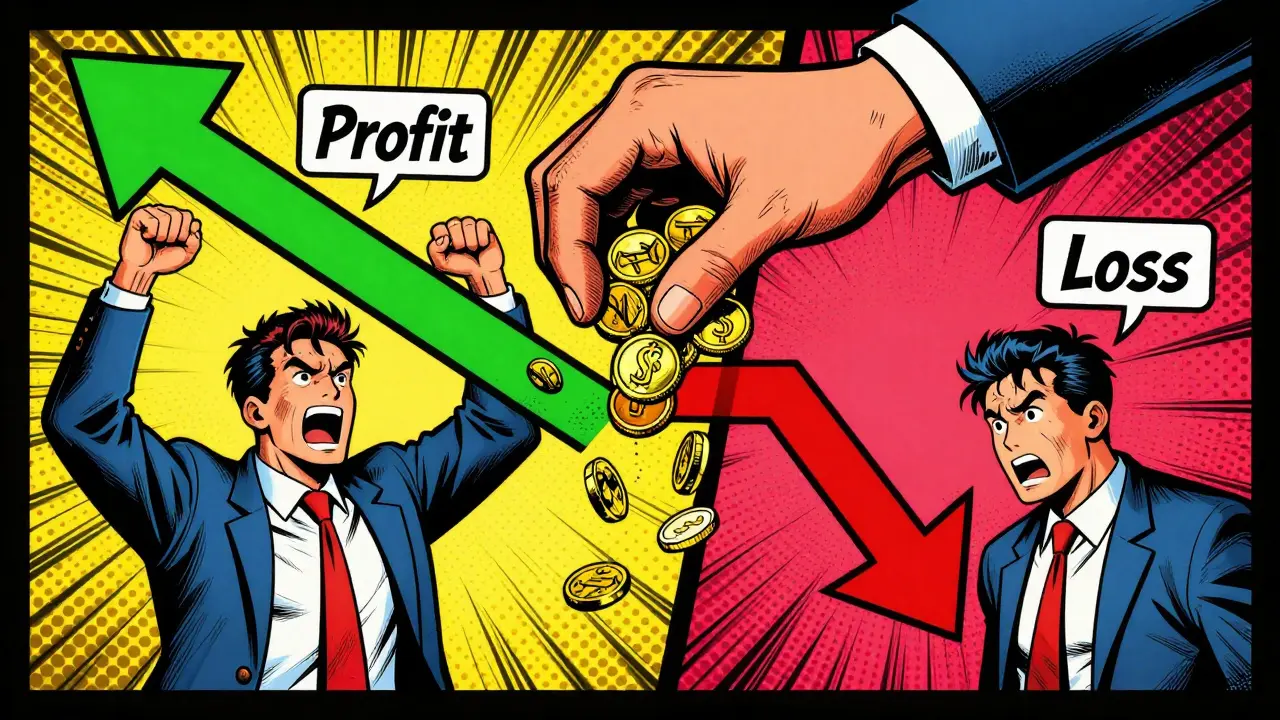
No Loss Offset Rule in India: How it Hits Crypto Traders
Understand the brutal impact of India's no loss offset rule on crypto traders. Learn why you pay 30% tax on gains even if your net portfolio is in the red.
April 6 2026
Fiat Currency vs Cryptocurrency: The Brutal Truth About Their Flaws
Explore the critical flaws of fiat currency and cryptocurrency. Learn about inflation risks, price volatility, and the trade-offs between centralized and decentralized money.
April 4 2026
Colombia Banking Ban on Crypto Transactions: Rules, Workarounds, and 2026 Outlook
Understand Colombia's strict banking ban on crypto transactions. Learn about SFC rules, reporting thresholds, regional comparisons, and workarounds for 2026.
March 30 2026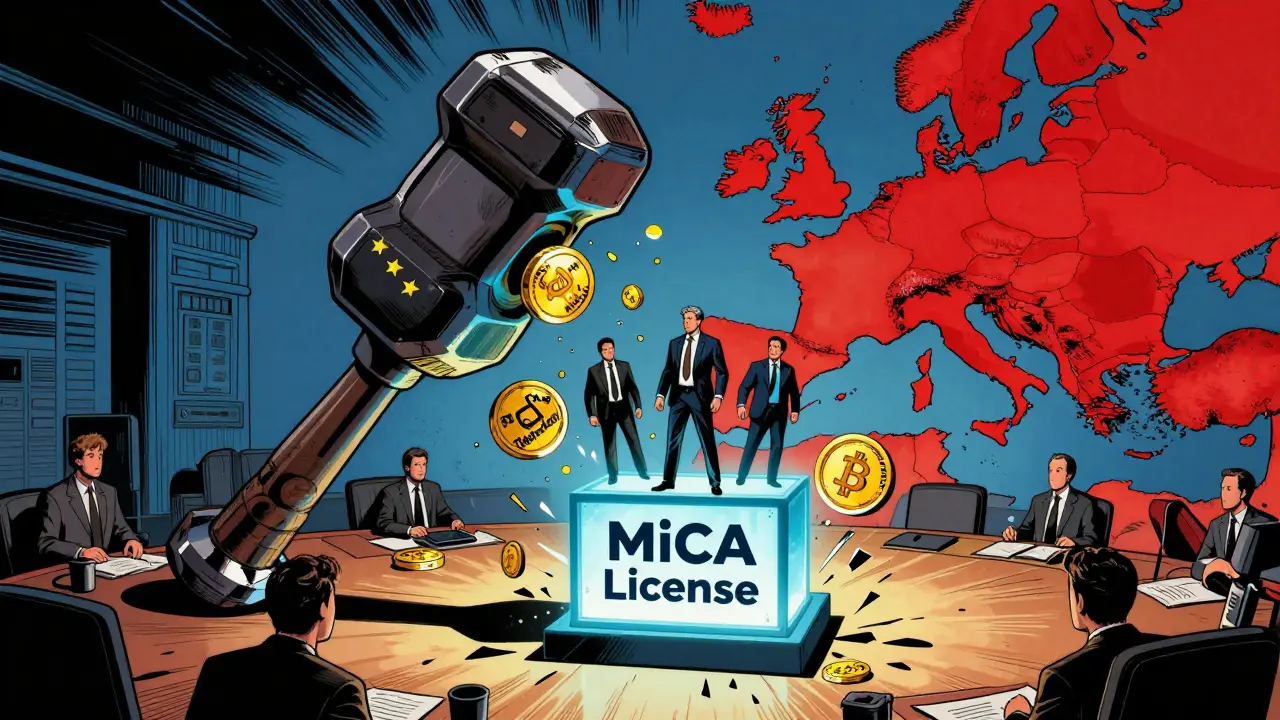
EU Sanctions and Cryptocurrency Compliance: What You Need to Know in 2026
EU cryptocurrency compliance is now enforced through MiCA and TFR, with strict sanctions for non-compliance. Learn what businesses and users must do in 2026 to stay legal under Europe’s new crypto rules.
March 12 2026
Understanding Leverage in Crypto Trading: Risks, Mechanics, and Real-World Outcomes
Leverage in crypto trading amplifies both profits and losses. Learn how margin, liquidation, and funding rates work, what leverage ratios exchanges offer, and why most traders lose money-even with small leverage. Real data, real risks.
March 5 2026
FSC Crypto Regulations in Taiwan for Exchanges: What You Need to Know in 2026
Taiwan's FSC enforces strict crypto exchange rules: mandatory registration, asset segregation, AML compliance, and transparency. Security tokens and ETFs are tightly controlled. Non-compliance means fines or jail. Here's what you need to know in 2026.
February 23 2026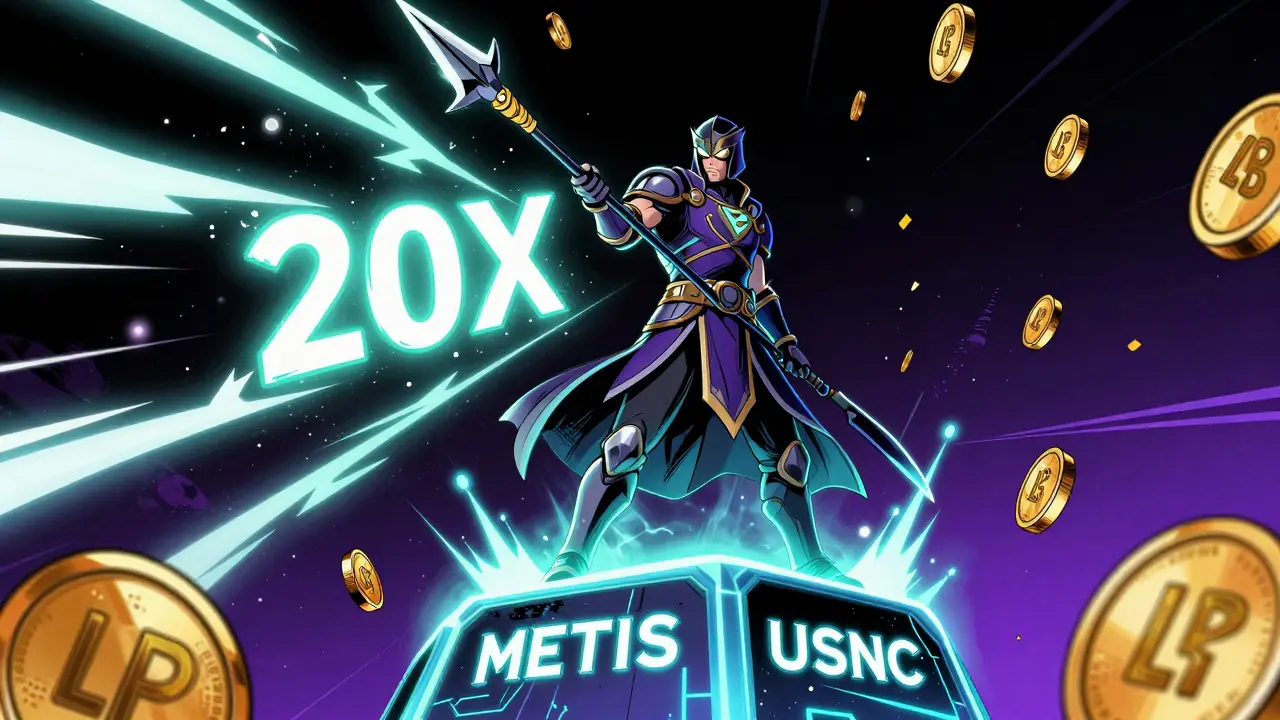
Tethys Crypto Exchange Review: Leveraged Yield on Metis L2 Explained
Tethys Finance is a leveraged yield farming protocol on the Metis Layer 2 network, not a traditional crypto exchange. It lets users multiply their APY up to 20x using LP tokens, but comes with high risk and limited liquidity. Learn how it works, who it's for, and whether it's worth using.
January 17 2026
Velodrome Finance V2 Crypto Exchange Review: Best for Optimism DeFi Users
Velodrome Finance V2 is a specialized DeFi exchange built for the Optimism ecosystem, offering zero trading fees and unique rewards for liquidity providers through its veVELO governance system. Ideal for advanced users seeking high yield on Optimism.
January 13 2026
Portugal Crypto Tax Benefits for Bitcoin Investors in 2026
Portugal offers one of Europe’s most favorable crypto tax regimes: Bitcoin held over a year is tax-free, short-term gains are taxed at just 28%, and crypto-to-crypto trades aren’t taxable. Learn how to use it in 2026.
January 11 2026
Binance TR Crypto Exchange Review: Is It the Best Choice for Turkish Users in 2025?
Binance TR is Turkey's top crypto exchange for buying Bitcoin and Ethereum with Turkish Lira. Learn its fees, features, verification deadline, and whether it's safe and worth using in 2025.
December 20 2025
Crypto Business Licensing Requirements in Malta: What You Need to Know in 2025
Malta's crypto licensing system in 2025 requires businesses to meet strict capital, AML, and local presence rules. Learn the four license classes, hidden costs, approval timeline, and why it's still a top EU choice despite MiCA integration.
December 8 2025
Wealth Tax Treatment of Crypto in Switzerland: What You Need to Know in 2025
Switzerland taxes crypto wealth, not gains. Private investors pay 0.3%-1% annual wealth tax on crypto holdings as of December 31st, with no capital gains tax. Learn how to declare crypto, which tokens matter, and how cantonal rates affect your bill in 2025.
December 2 2025