
Crypto Compliance: What It Really Means and Why It Matters
When you hear crypto compliance, the set of legal and operational rules that crypto businesses must follow to operate legally. Also known as crypto regulation, it's not some backroom policy—it's the reason some exchanges shut down overnight and others stay open for years. If you're trading, staking, or even just holding crypto, compliance affects you—even if you never read a single law.
It’s not just about KYC requirements, the process of verifying a user’s identity before allowing crypto transactions. It’s also about AML crypto, anti-money laundering rules that force platforms to track where funds come from and where they go. Countries like the U.S., UK, and South Korea enforce these strictly—so when OKX blocks access in certain regions, it’s not random. It’s compliance in action. And when Algeria or Myanmar bans crypto, the underground market doesn’t disappear—it just gets riskier, with higher premiums and no safety nets.
Then there’s crypto tax laws, how governments treat crypto gains as income or capital gains, and when you’re legally required to report them. South Korea taxes gains up to 45%. Zero-tax countries exist, but moving there isn’t just about saving money—it’s about staying compliant with residency rules, not just wallet addresses. Even if you think you’re flying under the radar, tax agencies are catching up fast. And if you’re using a VPN to bypass restrictions in China or Pakistan, you’re not just breaking terms of service—you might be breaking the law.
Compliance isn’t boring. It’s the invisible hand shaping what you can buy, where you can trade, and whether your airdrop claim gets flagged as suspicious. That’s why posts here cover everything from YEX’s red flags—no audits, no transparency—to the Virtual Assets Bill in Pakistan, and why crypto ATMs lost $246 million to fraud. Every scam, every ban, every tax change ties back to one thing: how the world is trying to bring crypto into the legal system.
What you’ll find below isn’t a list of rules. It’s a map of real-world consequences. From country-specific bans to exchange shutdowns, from tax cliffs to identity systems that actually work—you’ll see how compliance isn’t something you avoid. It’s something you need to understand to stay safe and smart in crypto.

Crypto Compliance Programs in 2026: A Practical Guide for Exchanges and VASPs
Learn how to build effective crypto compliance programs in 2026. Covers MiCA, FinCEN, KYC/AML costs, and tech stacks for exchanges.
August 20 2026
Crypto Compliance Programs: The 2026 Guide to KYC, AML & Regulations
Learn how to build effective crypto compliance programs in 2026. We cover KYC, AML, MiCA, and FinCEN rules to help your business stay ahead of regulations.
August 20 2026
Crypto Tax Evasion Penalties: 5 Years Jail & $250,000 Fines Explained
Understand the severe penalties for crypto tax evasion, including 5 years in prison and $250,000 fines. Learn how the IRS tracks transactions via blockchain analytics and the new Form 1099-DA mandate.
August 7 2026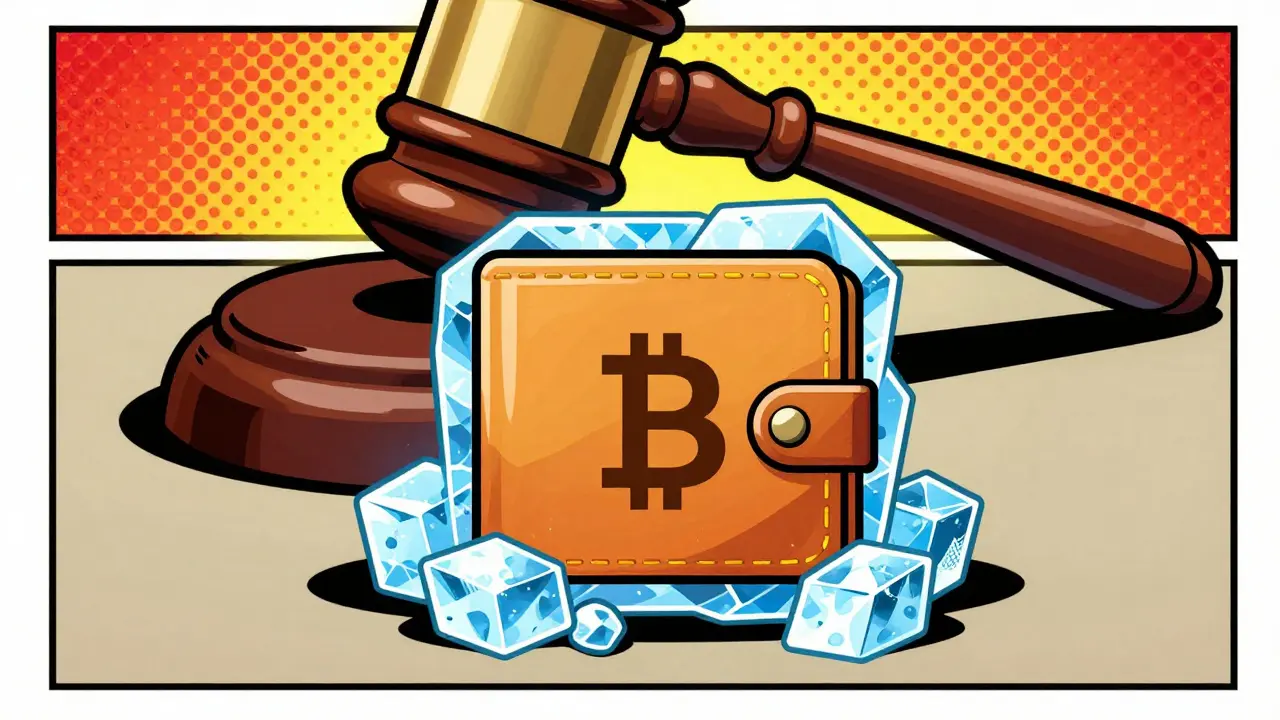
OFAC Sanctions List: Crypto Addresses and Sanctioned Entities Explained
Explore the OFAC sanctions list for crypto addresses and entities. Learn about the 2025 updates, compliance requirements, and risks for users and businesses in the evolving regulatory landscape.
March 25 2026
Operating Without Proper Licensing in Blockchain: Risks, Penalties, and Compliance
Operating a blockchain business without a license risks fines, shutdowns, and criminal charges. Learn what licenses you need, how regulators enforce them, and how to comply in 2025.
December 12 2025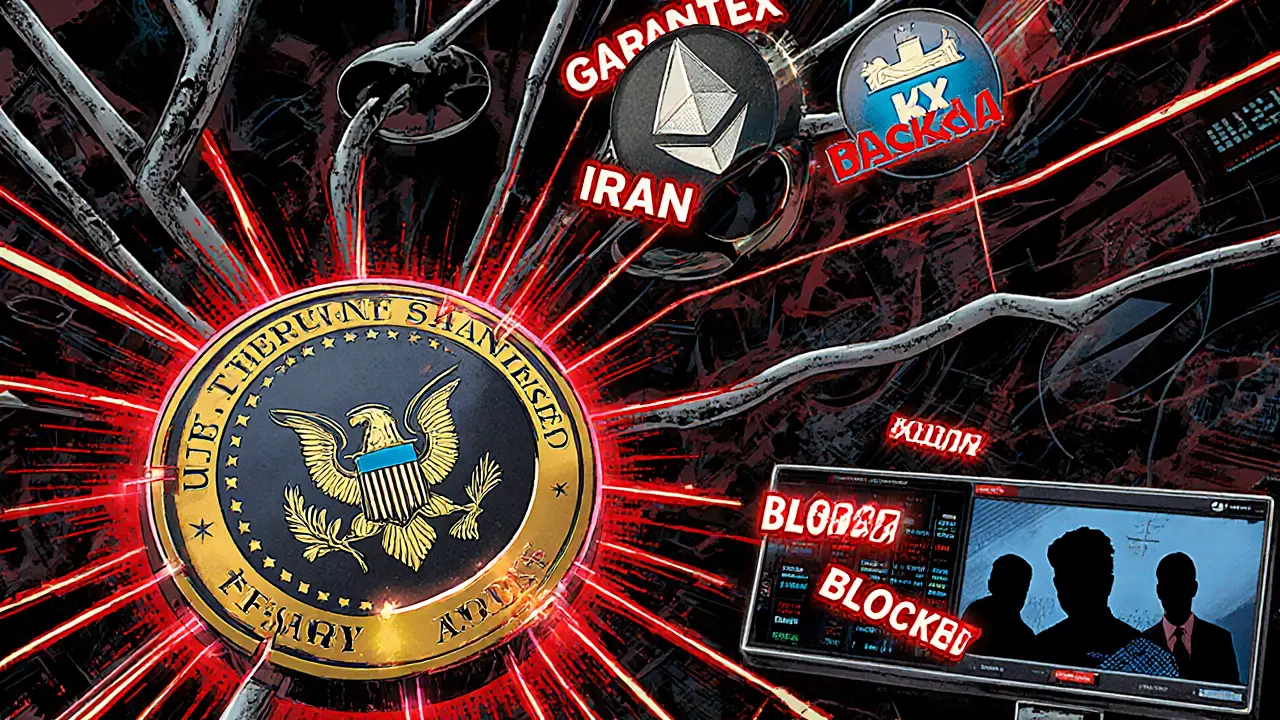
OFAC Cryptocurrency Sanctions and Compliance: What Crypto Businesses Must Do in 2025
OFAC cryptocurrency sanctions apply to all digital asset transactions involving U.S. persons or systems. Learn how crypto businesses must screen wallets, block sanctioned addresses, and build compliance programs to avoid massive fines in 2025.
November 14 2025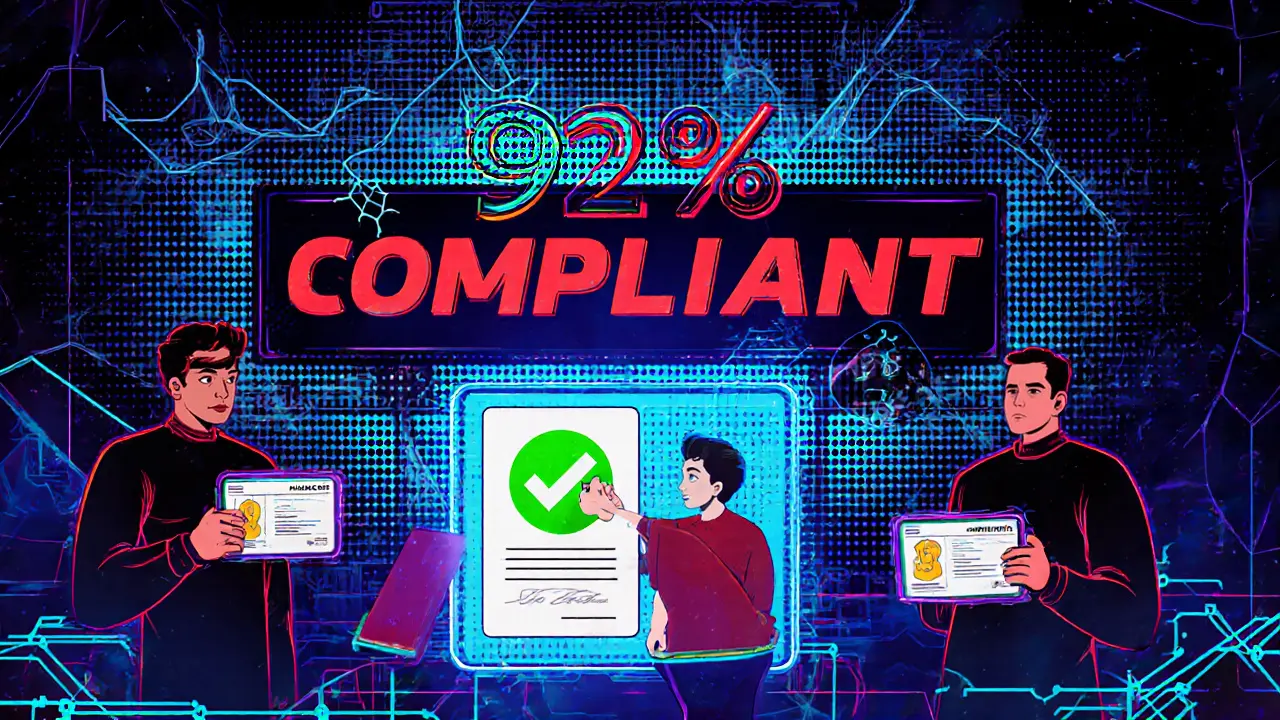
Future of KYC in Crypto Industry: How Compliance Is Reshaping Crypto in 2025 and Beyond
KYC in crypto is no longer optional-it's mandatory, fast, and powered by AI. By 2025, 92% of exchanges require identity verification. Here’s how it works, what’s changing, and what it means for users and the future of crypto.
October 28 2025