Unsafe Crypto Platform: How to Spot and Avoid Scams
When you hear the term unsafe crypto platform, a digital service that tricks users into depositing funds, steals identities, or disappears with assets. Also known as scam exchange, it doesn’t just fail—it actively exploits you. Unlike real exchanges that follow basic security rules, these platforms look polished but have no real team, no audits, and no way to recover your money if things go wrong.
Many fake exchanges, websites that mimic legitimate services like Binance or OKX but operate outside the law. Also known as clone platforms, they often use similar logos, fake testimonials, and urgent countdowns to pressure you into depositing. You might see them advertised on Telegram groups or YouTube ads promising 10x returns. But check the domain—many use .xyz, .info, or misspell real names. Look at the team page: if it’s just stock photos and vague titles like "Crypto Guru," run. Real platforms list real people with LinkedIn profiles. And if they don’t show a registered address or legal docs, they’re hiding something.
Then there’s the rug pull, when developers suddenly drain a project’s liquidity and vanish, leaving token holders with worthless coins. Also known as exit scam, it’s one of the most common ways people lose money on new tokens. You’ll see it in meme coins like Dork Lord (DORKY) or MicroDoge (MICRODOGE)—low market cap, no real use case, and a team that disappears after the first big pump. These aren’t investments. They’re gambling with your cash. And if the project doesn’t have a verifiable audit from a firm like CertiK or PeckShield, treat it like a live wire.
Don’t ignore the warning signs: no KYC? That’s not a feature—it’s a red flag. Legit platforms verify users to prevent fraud. No withdrawal limits? Too good to be true. If you can pull out $500,000 in minutes, they’re either lying or already gone. And if the site crashes every time you try to cash out? That’s not a bug. That’s the exit.
People lose millions every year because they skip the basics. They don’t check the contract address. They don’t search for reviews on Reddit or Trustpilot. They don’t look up the team on LinkedIn. And they ignore the fact that if something sounds too easy, it’s designed to trap you. The unsafe crypto platform doesn’t always look shady—it looks professional. That’s why you need to dig deeper than the design.
Below, you’ll find real examples of how these scams work, how they’ve been exposed, and what you can do to protect yourself. We cover everything from fake airdrops that steal your wallet keys to crypto ATMs rigged to drain your funds. No fluff. No hype. Just what you need to know before you click "Connect Wallet."

PayCash Swap Crypto Exchange Review: Red Flags and Why to Avoid It
PayCash Swap is a crypto exchange with zero reviews, no security details, and no verifiable company info. It matches the pattern of known crypto scams. Avoid it at all costs.
December 15 2025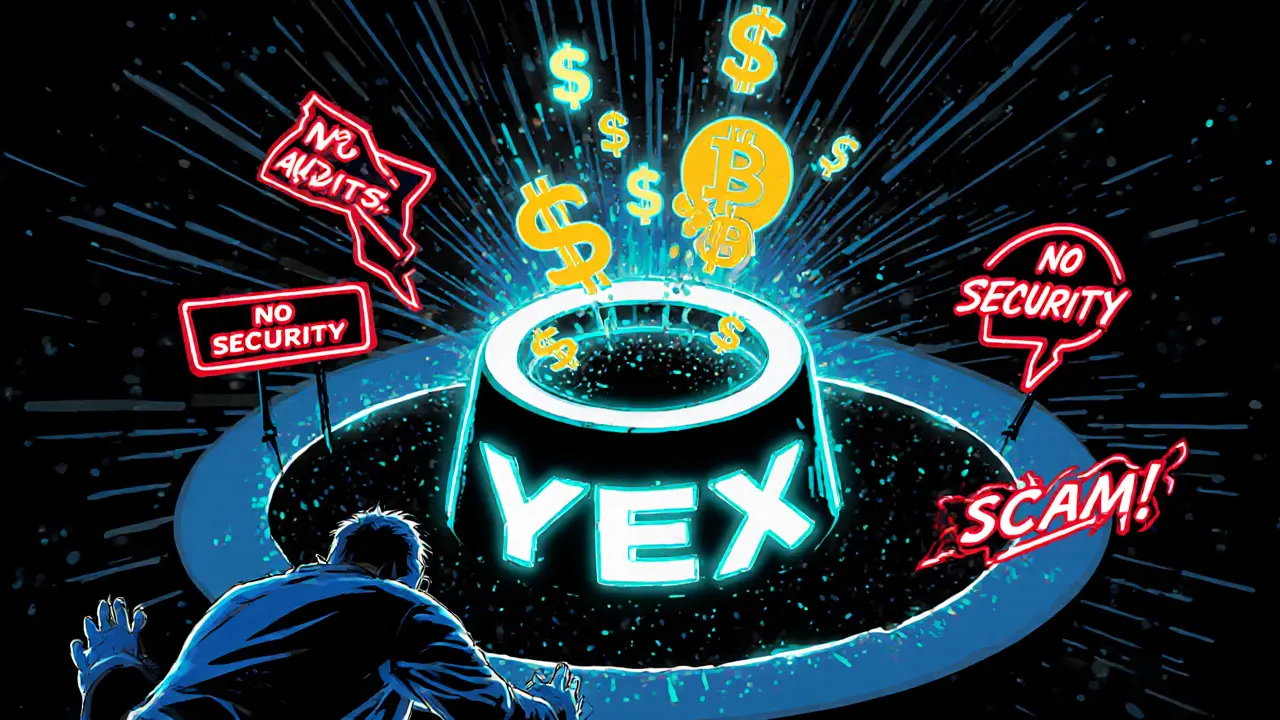
YEX Crypto Exchange Review: Red Flags and Why You Should Avoid It
YEX crypto exchange shows all the signs of a scam: no audits, no user reviews, no security details. Avoid it at all costs. Stick to trusted platforms like Coinbase or Kraken instead.
October 29 2025