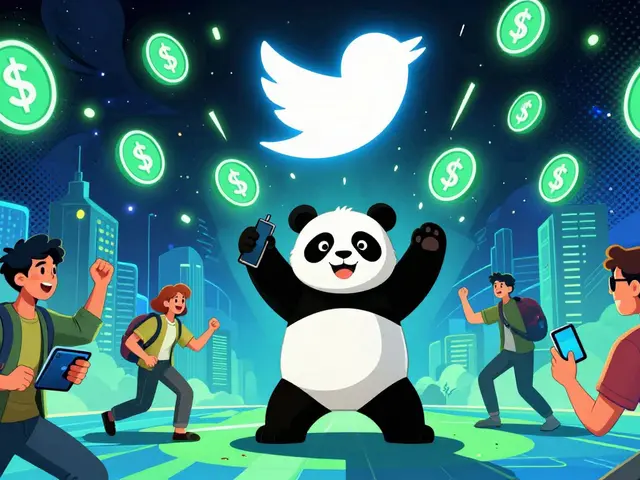
On March 4, 2025, the PandoLand ($PANDO) airdrop began - a short, sharp burst of cryptocurrency distribution that ended just six days later. By March 10, 500 people had walked away with $1,000 worth of $PANDO tokens each. That’s $500,000 total, given out in one go. No lottery. No waiting. Just a clear, time-bound task: follow, retweet, engage - and hope you got lucky.
This wasn’t a massive, months-long campaign like some other crypto airdrops. It didn’t ask you to stake tokens, bridge chains, or hold rare NFTs. It asked for one thing: your Twitter activity. And for a project built around a panda-themed Play-to-Earn game, that simplicity was both its strength and its weakness.
What Was PandoLand?
PandoLand was a blockchain game built on Ethereum, where players explored a virtual world populated by digital pandas. You didn’t need to buy anything to start. Just connect your wallet, and you could collect items, complete quests, and earn $PANDO tokens through gameplay. The idea was simple: play, earn, trade. Everything you picked up - characters, weapons, land parcels - was an NFT, locked on the blockchain so you could sell it later.
The team behind it pitched it as a community-driven economy. Not just a game where you grind for points, but a world where your time and effort had real value. You could stake your tokens to earn more. You could trade your NFTs on marketplaces. The whole thing was designed to feel like a living digital ecosystem - not just another token with a flashy logo.
But the real hook wasn’t the game itself - not at first. It was the airdrop.
The Airdrop: How It Actually Worked
The $PANDO token had a total supply of 1 billion. The airdrop took just 0.05% of that - 500,000 tokens - and split them evenly among 500 winners. That’s $1,000 per person, based on the price at the time of distribution.
To enter, you had to do three things on Twitter:
- Follow the official @PandoLandHQ account
- Retweet the airdrop announcement post
- Comment on that post with your Ethereum wallet address
That’s it. No KYC. No complicated forms. No testnet deposits. Just a Twitter account and a wallet you already had - probably MetaMask or Trust Wallet.
Participants were told winners would be selected randomly from all valid entries. The project claimed to use a verifiable random function (VRF) to ensure fairness. After the deadline, they published a list of winning addresses on their website. No names. Just wallet hashes. That kept things anonymous and avoided any accusations of favoritism.
Claiming your tokens was just as easy. Winners received an email with a link to a claiming portal. They entered their wallet address, signed a message, and the tokens were sent directly to their wallet. No delays. No hidden fees. It worked exactly like the promise said it would.
Who Won - And Who Didn’t
500 winners. That’s it.
Twitter was flooded with entries. Thousands of people signed up. Most didn’t make the cut. That created two very different reactions.
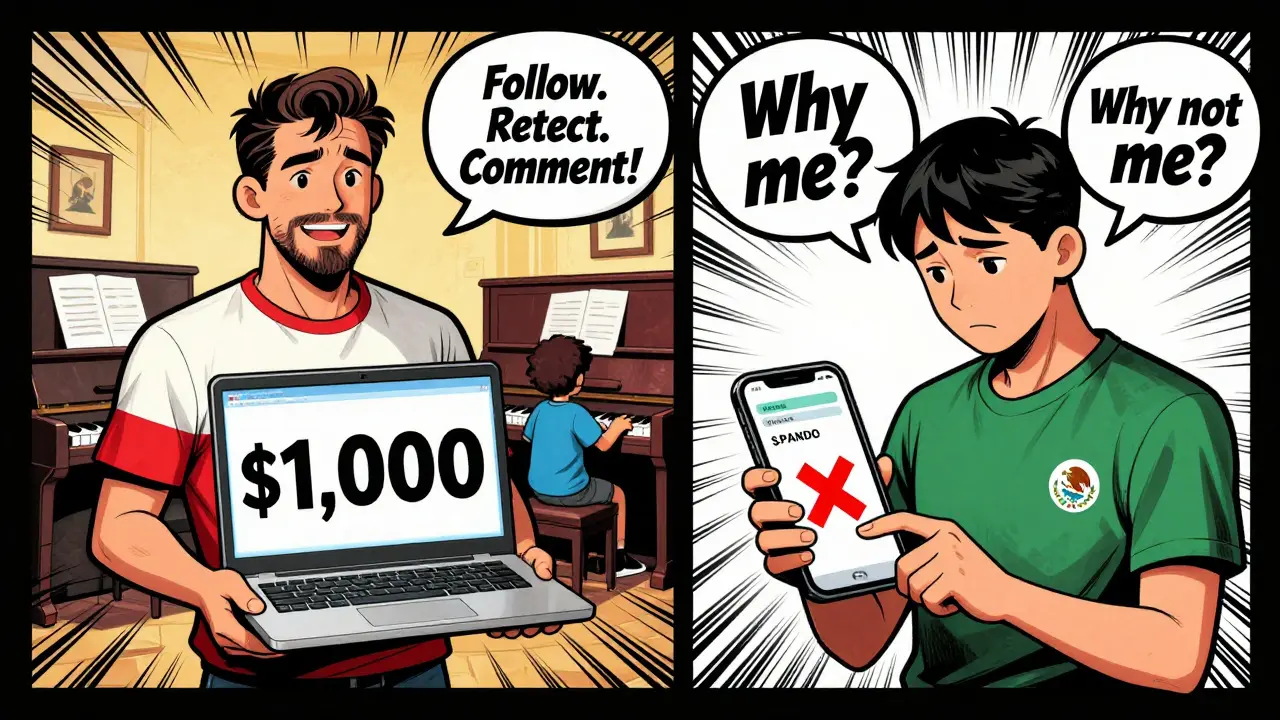
Winners were thrilled. Many posted screenshots of their wallets with $1,000 in $PANDO tokens. Some said they’d never held crypto before - this was their first real exposure. One winner from Poland told a crypto forum he used his tokens to pay for his daughter’s piano lessons. Another from Mexico used his share to buy a new laptop to start freelancing.
But the other 99%? They were frustrated. Not because the process was unfair - it wasn’t. But because the odds were so low. You had a 1 in 20 chance of winning if 10,000 people entered. Most didn’t even get that far. Some forgot to include their wallet address. Others retweeted but didn’t follow the account. A few used fake wallets and got disqualified.
There was also a quiet undercurrent of skepticism. People asked: Why only 500 winners? Why not 5,000? Why not 50,000? The answer was simple: budget. The team didn’t have the funds to give away more. But that also made the airdrop feel exclusive - like a VIP event, not a community giveaway.
How It Compared to Other Airdrops in 2025
In March 2025, crypto airdrops were everywhere. But most were messy. Some asked you to hold NFTs from 12 different projects. Others required you to complete 20 different tasks across five apps. Some didn’t even tell you when the tokens would be released.
PandoLand was the opposite. Clean. Simple. Transparent.
Compare it to Arena Two ($ATWO), which ran a tournament-style airdrop that lasted over a year. Or Play AI Network ($PLAI), which used an "Aura" point system where you had to grind daily tasks for months. PandoLand didn’t ask you to do anything beyond a week of social media activity. You knew exactly what you were getting into.
Even 0G’s airdrop later in 2025 - which gave tokens to NFT holders through random snapshots - felt more complex. PandoLand didn’t need that. It didn’t want to attract crypto degens. It wanted people who might actually play the game.
And that’s what made it stand out.
What Happened After the Airdrop?
Here’s the hard truth: most crypto airdrops die after the tokens drop.
PandoLand was no exception.
After March 10, 2025, the project went quiet. No major updates. No new game features. No roadmap posts. The Twitter account kept posting memes and occasional reminders to "stake your $PANDO," but the game itself? It was barely playable.
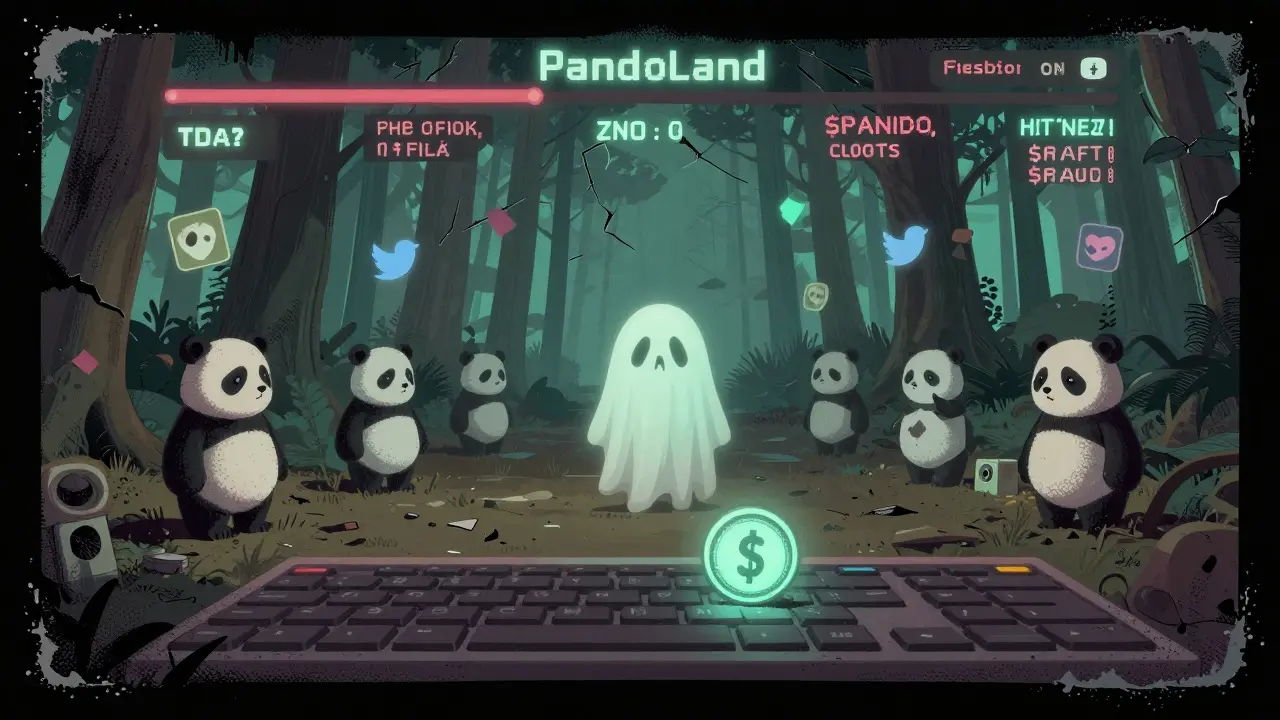
By June 2025, the in-game economy had collapsed. Token prices dropped 70% from the airdrop value. The NFT marketplace saw almost no trades. Players who stuck around found there were no new quests, no new pandas, no new land plots. The game felt like a demo that never got finished.
Some early adopters still hold their tokens. A few even claim they’re waiting for a "revival." But there’s no evidence the team is working on one. The website still loads. The Twitter account still exists. But the game? It’s frozen in time.
Industry analysts called it a "classic case of hype over substance." Avni Patel, a crypto writer who covered the airdrop, said at the time: "PandoLand had the right idea - fun, accessible, rewarding. But they didn’t build the game to last. They built the airdrop to go viral. And it did. Then it vanished."
Was It Worth It?
If you were one of the 500 winners? Yes. $1,000 is $1,000. Even if the token dropped later, you got real money for doing three simple tasks. You didn’t risk a cent. You didn’t need to be an expert. You just showed up.
If you weren’t? You lost nothing. You spent a few minutes on Twitter. You didn’t buy anything. You didn’t send any crypto. You walked away with nothing but a little disappointment - and maybe a lesson.
The real takeaway isn’t about PandoLand. It’s about airdrops in general.
They’re not a gift. They’re a marketing tool. The project gets attention. The community gets tokens. But if the product underneath is weak? The tokens won’t save it.
PandoLand gave away $500,000. But it didn’t give away a working game. And that’s what people remember.
What You Can Learn From PandoLand’s Airdrop
Even though the project faded, there are lessons here for anyone thinking about joining the next big airdrop:
- Don’t chase tokens - chase utility. If the project doesn’t have a real product, the token is just a gamble.
- Simple tasks mean simple rewards. If the airdrop only asks for a retweet, don’t expect the token to go far.
- Check the team. Did they ship anything before? Do they have a track record? Or are they just launching a website and a Twitter account?
- Don’t FOMO. If the airdrop feels too good to be true - like a guaranteed $1,000 for five minutes of work - it probably is.
The best airdrops aren’t the ones that give you the most tokens. They’re the ones that give you something you can actually use - a game you’ll play, a tool you’ll need, a community you’ll stay in.
PandoLand gave out tokens. But it didn’t give out a future.