Fake Crypto Exchange: How to Spot Scams and Stay Safe
When you hear fake crypto exchange, a fraudulent platform designed to steal your cryptocurrency by pretending to be a legitimate trading site. Also known as crypto scam exchange, it’s one of the most common ways people lose money in crypto—not because the market crashed, but because they trusted something that wasn’t real. These sites look real. They have logos, fake customer support, even fake reviews. But behind the screen? Nothing. No liquidity. No security. Just a digital trap.
How do these fake crypto exchanges, fraudulent platforms that mimic real ones to trick users into depositing funds. Also known as sham trading platforms, they often appear in Google ads, social media DMs, or YouTube videos show up? Scammers copy the design of big names like Binance or Coinbase. They use similar domain names—like binance-support.com instead of binance.com. They promise high yields, free airdrops, or exclusive access. If it sounds too good to be true, it is. And if the site asks you to send crypto to a wallet address without a clear, verifiable company behind it? Run. These platforms don’t just disappear—they drain your wallet the moment you deposit.
Real exchanges follow rules. They require KYC, identity verification used by regulated platforms to prevent fraud and money laundering. Also known as Know Your Customer, it’s a standard practice for legal platforms. They have public team members, official support channels, and clear terms of service. Fake ones? No names. No addresses. No way to contact anyone who actually works there. Check the domain. Look at the website’s SSL certificate. Search for user complaints on Reddit or Trustpilot. If you can’t find a single real review from someone who’s traded there for more than a week, it’s probably a scam.
You don’t need to be an expert to avoid these traps. Just ask yourself: Why would a company I’ve never heard of offer 50% returns on stablecoins? Why is the website loading slowly? Why does the support chat take hours to respond? Why is there no phone number? These aren’t just red flags—they’re flashing sirens. And if you’ve already sent crypto to a site that looks suspicious? Don’t wait. Report it. Share your story. The more people know, the fewer fall for it.
This collection of posts gives you real examples of what fake crypto exchanges look like, how they trick people, and what to do if you’ve been targeted. You’ll see how scams evolve, how new ones copy old tricks, and how even experienced users get caught. You’ll also find guides on spotting phishing links, verifying exchange legitimacy, and protecting your wallet. No fluff. No theory. Just what you need to keep your assets safe.
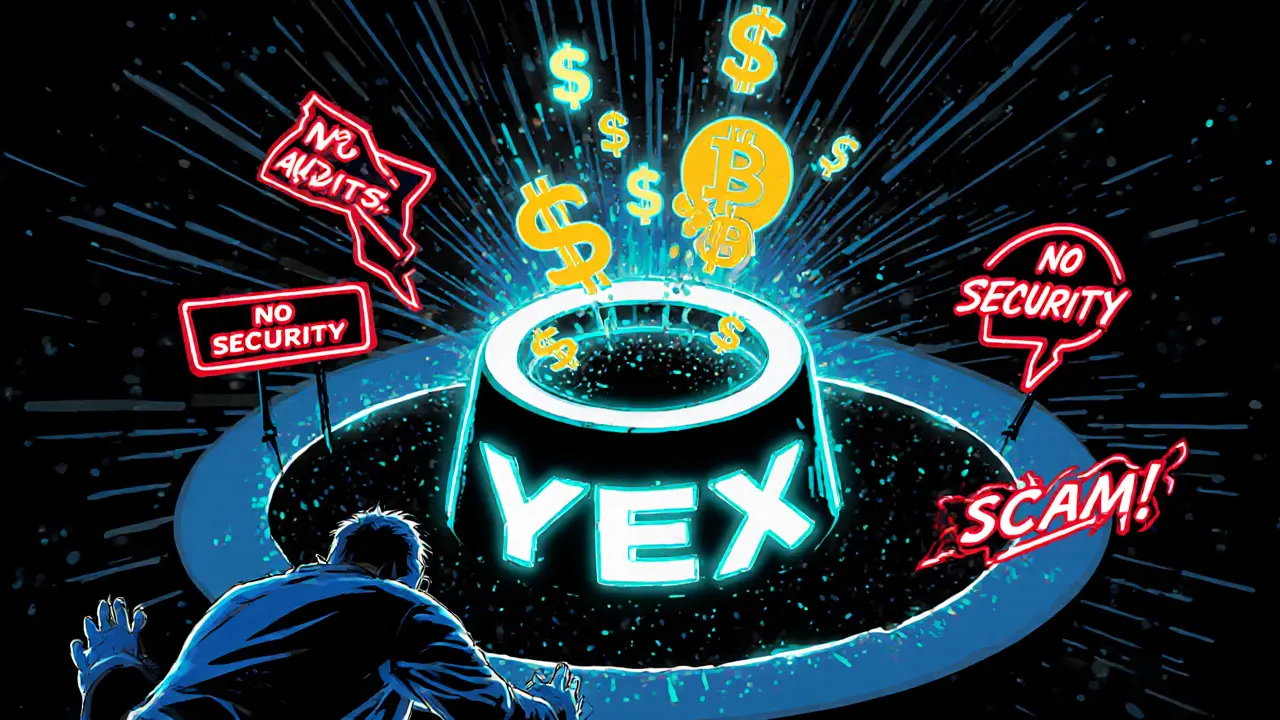
YEX Crypto Exchange Review: Red Flags and Why You Should Avoid It
YEX crypto exchange shows all the signs of a scam: no audits, no user reviews, no security details. Avoid it at all costs. Stick to trusted platforms like Coinbase or Kraken instead.
October 29 2025