GRAIL Tokenomics: How the Token Works, Who Uses It, and What It Powers
When you hear GRAIL tokenomics, the economic design behind the GRAIL token, including supply, distribution, and usage rules. It's not just a number on a chart—it's the rulebook that decides who gets rewarded, who holds power, and how long the token lasts. Unlike meme coins that vanish after a hype cycle, GRAIL’s structure is built for sustainability, with clear rules around how tokens are released, locked, or burned. This isn’t theory—it’s what keeps real projects running.
GRAIL tokenomics relates directly to token distribution, how tokens are allocated among founders, investors, community, and treasury. If 40% goes to early backers and only 5% to public airdrops, that’s a red flag. If 20% is locked for two years and another 15% funds community grants, that’s a sign of long-term thinking. You’ll see this pattern in posts about airdrops like LGX and VLX—where fair launch matters more than hype. The same logic applies to blockchain governance, how token holders vote on protocol changes, upgrades, or treasury spending. A token with no voting power is just a digital IOU. GRAIL’s design likely includes on-chain voting, meaning users—not just devs—get to decide the future.
It also connects to crypto tokenomics, the broader framework of supply, demand, utility, and incentives in blockchain projects. Think of it like a business model: if the token pays for transaction fees, rewards stakers, or unlocks exclusive features, it has real demand. If it’s just traded for speculation, it’s a gamble. Posts about YEX, DORKY, and MICRODOGE show what happens when tokenomics is ignored—price spikes then crashes, users leave, and the project dies. GRAIL’s model avoids that trap by tying value to actual use.
What you’ll find below are real examples of how tokenomics shapes success—or failure. From charity tracking on blockchain to airdrop scams and exchange bans, every post ties back to one truth: if the token doesn’t make sense economically, the project won’t last. These aren’t abstract ideas. They’re the reasons some crypto projects vanish while others build lasting value. Read on to see how GRAIL fits into that bigger picture—and what to watch for in any token you consider.
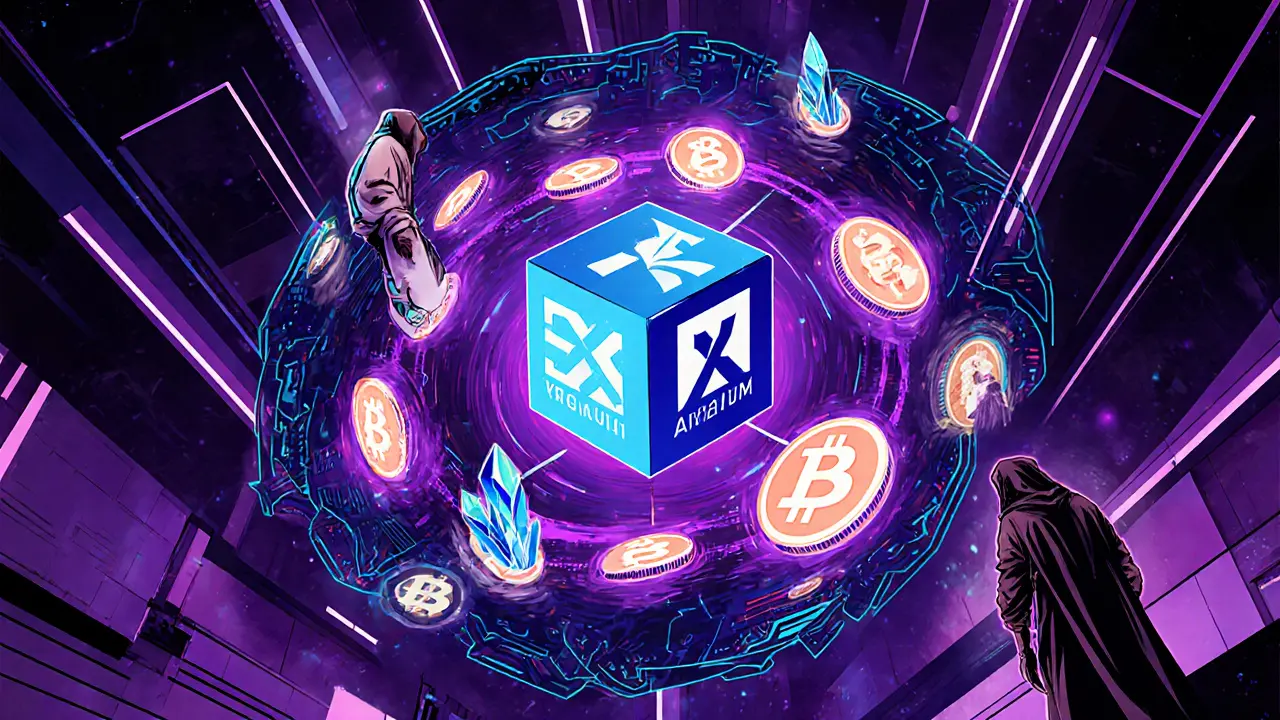
What is Camelot Token (GRAIL) Crypto Coin? A Deep Dive into the Arbitrum DEX Governance Token
Camelot Token (GRAIL) is the governance and utility token powering Camelot, a decentralized exchange on Arbitrum. With unique staking mechanics, a six-month lockup, and deflationary buybacks, GRAIL targets advanced DeFi users seeking deep Arbitrum integration.
November 1 2025