GRAIL crypto: What It Is, How It Works, and Where to Find It
When you hear GRAIL crypto, a token linked to blockchain-based charitable initiatives and decentralized finance projects. It's not a household name like Bitcoin or Ethereum, but it shows up in niche corners of the crypto world—often tied to transparency efforts and community-driven funding. Unlike flashy meme coins, GRAIL doesn’t promise quick riches. It’s built for purpose: to track donations, reward participation, and give users real control over how funds move through the system.
GRAIL crypto often appears alongside blockchain charity tracking, the use of public ledgers to show exactly where donated money goes. Think of it like a digital receipt that can’t be altered. If a nonprofit uses GRAIL, every donation is recorded on-chain, visible to anyone. This connects directly to how smart contract donations, automated payments triggered by conditions like reaching a funding goal work. No middlemen. No hidden fees. Just code doing what it’s told.
You won’t find GRAIL on Coinbase or Kraken. It’s more likely to show up in a crypto airdrop, a free distribution of tokens to users who complete simple tasks like joining a Discord or verifying their wallet. These airdrops are often tied to small DeFi platforms or charity-focused projects trying to build a user base. That’s why you’ll see posts here about claiming free tokens from Legion Network or Velas—same energy. GRAIL isn’t always the star, but it’s part of that same ecosystem: low-profile, community-tested, and rarely marketed hard.
Some people confuse GRAIL with other tokens because the name sounds like a generic term—like a holy grail of crypto. But it’s not. It’s a real token with a real history, even if it’s quiet. It’s used in projects that care more about accountability than hype. If you’ve ever wondered how a charity could prove it didn’t waste your $50, GRAIL is one of the tools making that possible.
What you’ll find in the posts below isn’t a sales pitch. It’s a collection of real examples: how blockchain is used to track donations, how airdrops quietly distribute tokens like GRAIL, and why some of these projects fly under the radar. No fluff. No promises of moonshots. Just the facts about what these tokens actually do, who uses them, and where you might run into them next.
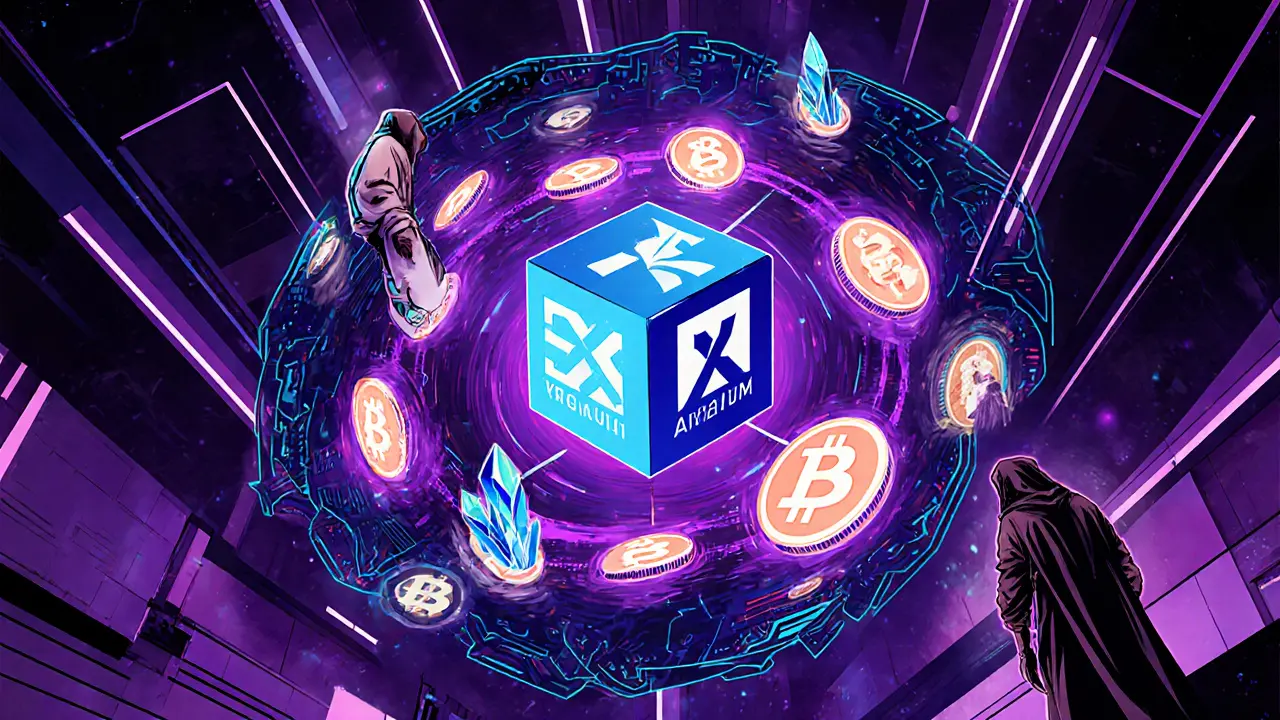
What is Camelot Token (GRAIL) Crypto Coin? A Deep Dive into the Arbitrum DEX Governance Token
Camelot Token (GRAIL) is the governance and utility token powering Camelot, a decentralized exchange on Arbitrum. With unique staking mechanics, a six-month lockup, and deflationary buybacks, GRAIL targets advanced DeFi users seeking deep Arbitrum integration.
November 1 2025