Thai Crypto Exchange: What You Need to Know About Trading Crypto in Thailand
When you hear Thai crypto exchange, a digital platform where people in Thailand buy, sell, or trade cryptocurrencies like Bitcoin and Ethereum under local laws. Also known as Thai cryptocurrency exchange, it’s not just another trading site—it’s a gateway shaped by strict rules, limited options, and rising demand. Unlike the U.S. or Europe, Thailand doesn’t let banks handle crypto. Instead, the Securities and Exchange Commission (SEC) of Thailand licenses only a handful of exchanges to operate legally. That means if you’re trading crypto in Thailand, you’re likely using one of these few approved platforms—and you need to know which ones actually work.
Most Thai crypto exchange, a digital platform where people in Thailand buy, sell, or trade cryptocurrencies like Bitcoin and Ethereum under local laws. Also known as Thai cryptocurrency exchange, it’s not just another trading site—it’s a gateway shaped by strict rules, limited options, and rising demand. users stick to platforms like Bitkub, DigiFinex, and Zipmex because they’re the only ones with official licenses. These exchanges let you deposit Thai Baht directly, trade popular coins, and even stake some assets. But here’s the catch: you can’t use international platforms like Binance or Coinbase unless you’re using a VPN—and even then, you’re breaking Thai law. The government doesn’t block access, but it does block payments. If your bank detects you’re sending money to an unlicensed exchange, your account could freeze.
That’s why crypto wallet Thailand, a secure digital storage tool used by Thai crypto traders to hold their coins offline or online, often paired with licensed exchanges. Also known as Thai crypto wallet, it’s not just another app—it’s your safety net when exchanges get hacked or shut down. matters so much. Many Thai traders keep their coins in hardware wallets like Ledger or Trezor after buying them on Bitkub. Why? Because even licensed exchanges have been targeted. In 2022, one major Thai exchange froze withdrawals for weeks after a security incident. If your coins are stuck on the exchange, you’re at their mercy. But if they’re in your own wallet, you control the keys—and that’s the only real security.
And don’t forget crypto regulation Thailand, the legal framework enforced by Thailand’s SEC that defines who can operate crypto exchanges, how taxes are applied, and what user protections exist. Also known as Thai crypto laws, it’s not just bureaucracy—it’s the reason your trading options are so limited. is always changing. In 2025, Thailand is expected to introduce stricter KYC rules and mandatory tax reporting for all crypto gains. That means every trade, every swap, every airdrop you get could be tracked. The government isn’t trying to stop crypto—it’s trying to control it. If you’re serious about trading, you need to know the rules before you start.
What you’ll find in the posts below aren’t just random articles. They’re real stories about Thai crypto exchanges, the scams that pretend to be them, the wallets people actually use, and the legal gray zones no one talks about. You’ll see how people got burned trying to use foreign platforms, how some made money by staying within the law, and why the most trusted exchange in Thailand still isn’t perfect. No fluff. No hype. Just what actually works—and what gets you in trouble.
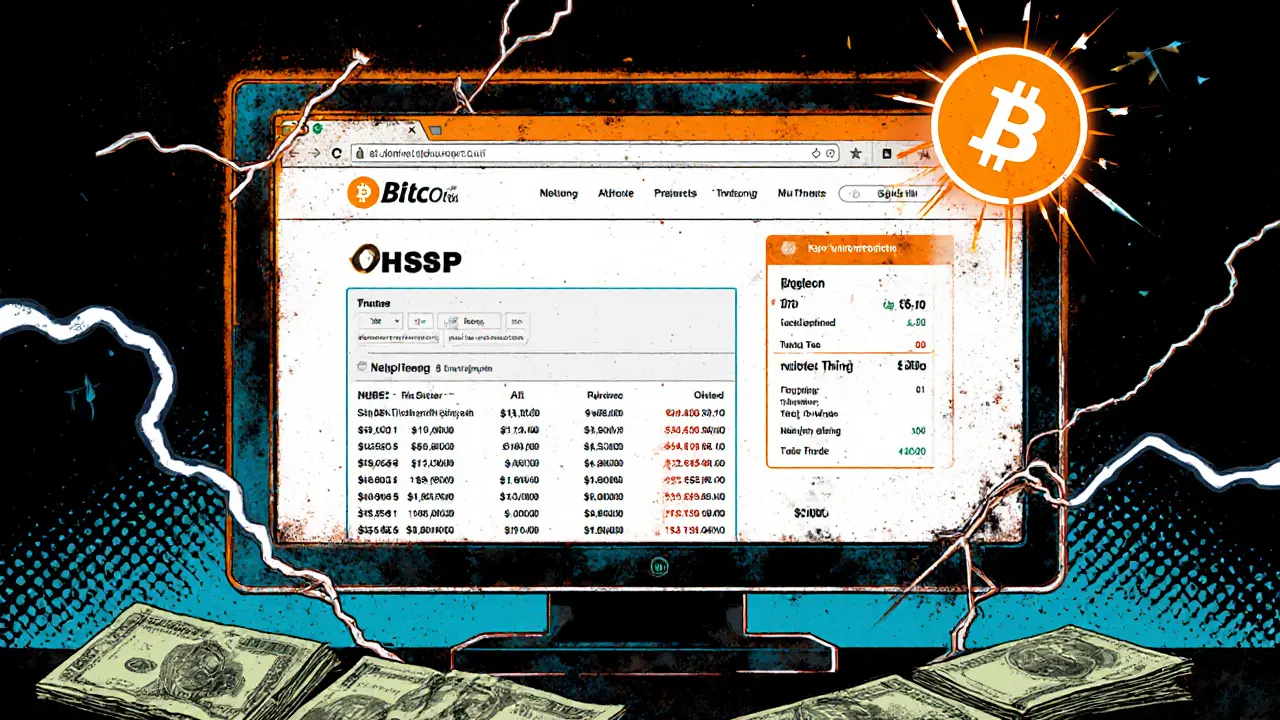
BX Thailand Crypto Exchange Review: What Happened and Why It’s Gone
BX Thailand was Thailand's first major crypto exchange, trusted for years for easy THB trading. It shut down in 2020 after failing to keep up with competitors. Here's why it worked, why it failed, and what to use now.
November 23 2025