Garantex Ban: What Happened and Why It Matters for Crypto Users
When Garantex, a major Russian cryptocurrency exchange that handled billions in trades and served millions of users was shut down in 2022, it wasn’t just another exchange closing. It was a clear signal that global regulators were starting to target crypto platforms with weak compliance, especially those operating in high-risk jurisdictions. The Garantex ban, a forced closure by Russian authorities under pressure from international sanctions came after U.S. Treasury’s OFAC added the exchange to its sanctions list for facilitating transactions tied to illicit activity. This wasn’t a random crackdown—it was part of a broader move to cut off crypto channels used to bypass financial restrictions on Russia.
The OFAC sanctions, U.S. financial penalties targeting entities involved in evading economic controls directly impacted Garantex because it allowed users to trade Russian rubles for crypto without proper KYC checks. That made it a favorite for people trying to move money out of Russia after the Ukraine invasion. But it also made it a target. The exchange didn’t just disappear—it was blocked from global payment processors, lost its banking partners, and was forced offline. Users lost access to funds, and the event became a textbook case of what happens when a crypto platform ignores regulatory red flags. This isn’t just history—it’s a warning for anyone using exchanges that don’t clearly follow international rules.
What’s often missed is how the Russia crypto regulations, a shifting legal landscape that started with tolerance and turned into strict control changed overnight. Before the ban, Russia allowed crypto trading but didn’t fully regulate it. Afterward, the government moved fast to clamp down, forcing exchanges to register or shut down. Garantex’s fall exposed how fragile crypto access can be when it’s tied to geopolitical tensions. The same risks exist today for any exchange operating without transparent compliance—whether in Russia, Iran, or elsewhere under sanctions. If you’re using a platform that doesn’t answer to global standards, you’re not just taking a market risk—you’re taking a legal one.
Below, you’ll find real stories and breakdowns of similar crypto exchange failures, sanctioned platforms, and how users got caught in the crossfire. From exchanges that vanished overnight to airdrops tied to banned projects, these posts show what happens when regulation catches up with crypto’s wild west phase. No hype. No guesswork. Just what actually went wrong—and how to avoid the same fate.
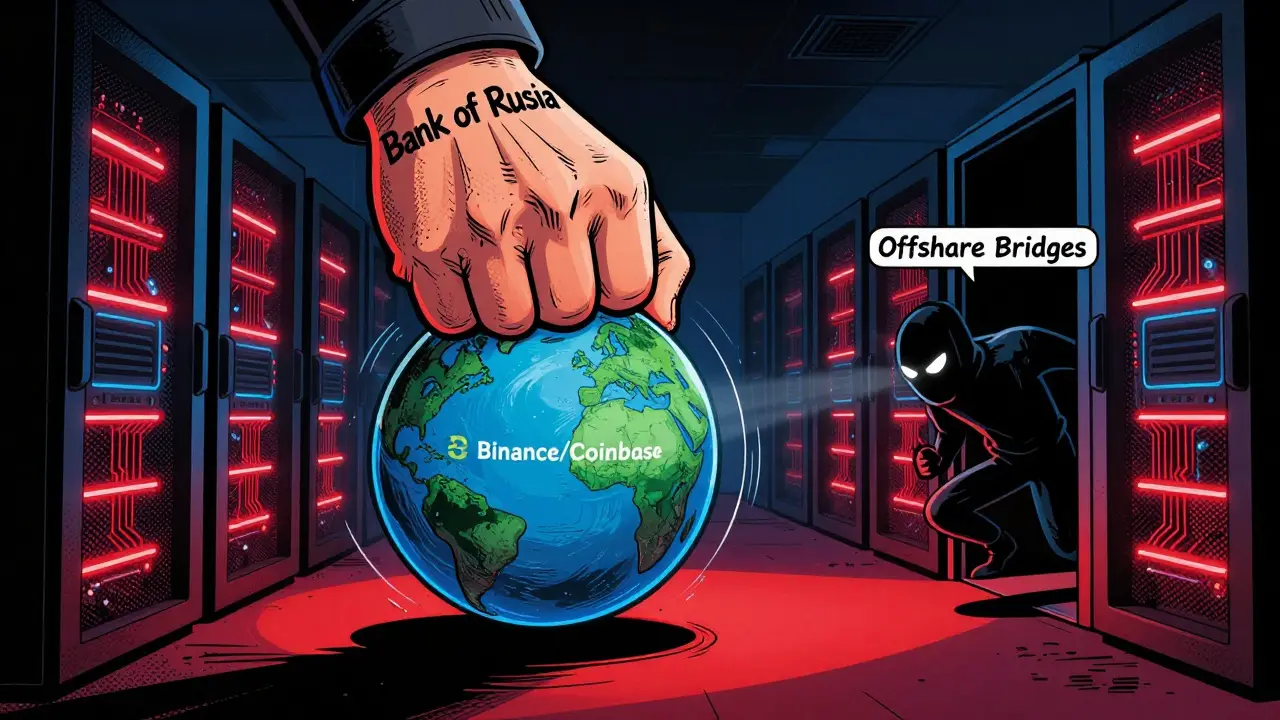
What Crypto Exchanges Are Banned in Russia? The Full Regulatory Breakdown
Russia doesn't ban all crypto exchanges-it bans the ones that don't follow its rules. Learn which platforms are blocked, why Garantex collapsed, and how the state is building its own crypto system.
December 4 2025