
Cryptocurrency Mining Ban in Africa: Why It Happened and What It Means
When governments in Africa start banning cryptocurrency mining, the process of validating blockchain transactions using powerful computers that consume large amounts of electricity. Also known as crypto mining, it's a high-power activity that’s become a flashpoint between innovation and infrastructure limits. It’s rarely about crypto itself—it’s about who controls the grid. Countries like Egypt, Algeria, and Nigeria have moved to restrict or ban mining not because they hate Bitcoin, but because their power grids can’t handle the load. In 2023, Nigeria’s power utility reported that mining operations were draining up to 15% of national electricity in some regions, pushing households into longer blackouts. That’s not a tech problem—it’s a survival problem.
But here’s the twist: not all African nations are banning mining. Ghana and Kenya quietly allow it, while Rwanda and South Africa are building regulatory frameworks to tax and monitor it. Why the difference? It comes down to energy access. Countries with stable, surplus power see mining as a way to monetize idle capacity. Those with rolling blackouts see it as theft. The crypto mining ban in Africa, a policy response to energy strain and financial control concerns. Also known as blockchain power restrictions, it’s not a continent-wide rule—it’s a patchwork of local decisions. And behind every ban is a deeper story: central banks afraid of losing control over money flows, regulators scared of untraceable transactions, and citizens stuck in the middle. Meanwhile, mining rigs keep running in basements and warehouses, powered by solar panels or stolen grid juice. The real issue isn’t crypto—it’s inequality in energy access.
What you’ll find in these posts isn’t just news about shutdowns. It’s the real-world fallout: how Nigerian banks freeze accounts linked to crypto activity, why exchanges like BX Thailand collapsed after regulatory pressure, and how sanctions in places like Syria and Cuba reshape who can mine and who can’t. You’ll see how crypto regulation in Mexico, Switzerland, and Russia offers contrasting models—and how Africa’s path might follow one of them. These aren’t abstract policies. They’re life-changing decisions that affect whether someone can earn crypto by running a rig, or get locked out of the global financial system for trying.
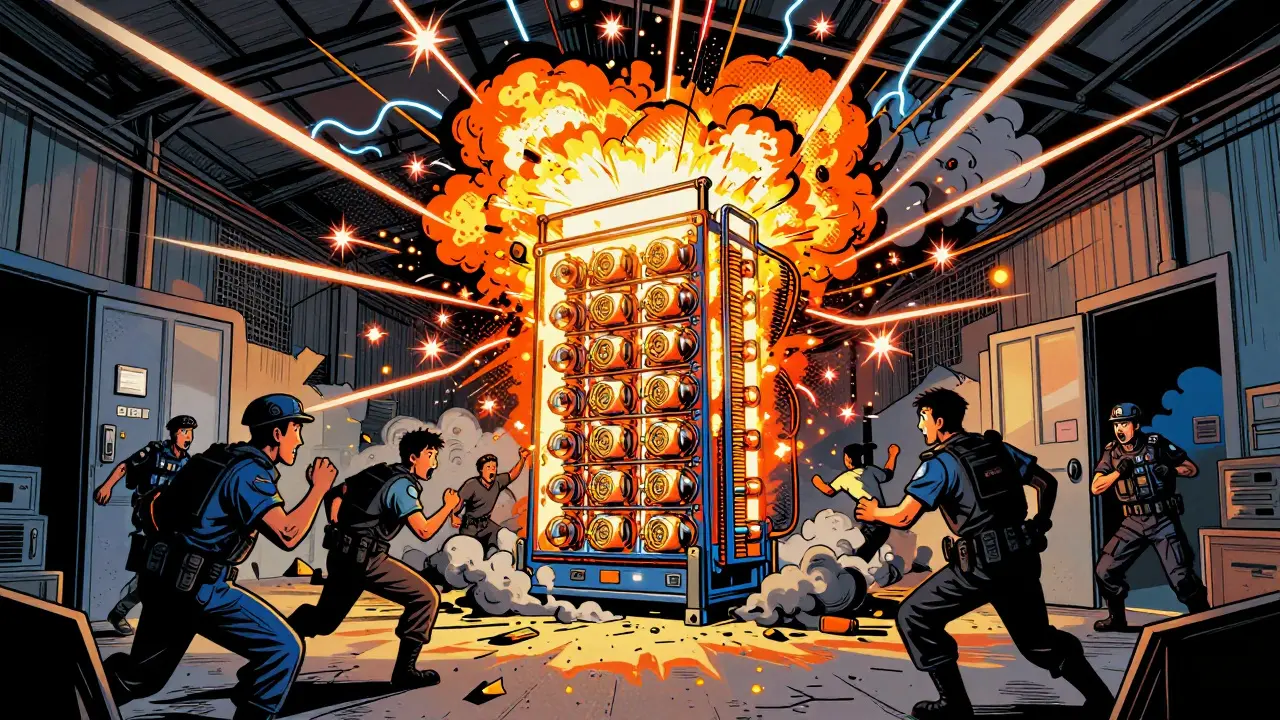
Angola Crypto Mining Ban as of April 2024: What Happened and Why It Matters
Angola banned cryptocurrency mining in April 2024 to protect its fragile power grid. The law carries prison sentences up to 12 years and led to a major international crackdown that seized $37 million in mining equipment.
December 5 2025