
Suku NFTs: What They Are, Why They Matter, and What You Need to Know
When you hear Suku NFTs, a project designed to unlock liquidity for non-fungible tokens by allowing partial ownership and trading. Also known as Suku Protocol, it was one of the early attempts to solve the biggest problem in NFTs: no one could sell part of their Bored Ape or CryptoPunk without selling the whole thing. Most people bought NFTs hoping to flip them, but when the market cooled, they were stuck. Suku tried to fix that by letting you split an NFT into shares—like owning 15% of a digital artwork instead of the whole thing.
That idea wasn’t new, but Suku was one of the first to build it on Ethereum with real smart contracts. It tied into DeFi too—your NFT shares could earn yield, be used as collateral, or traded on decentralized exchanges. The project partnered with platforms like NFTX and tried to integrate with major marketplaces. But here’s the catch: NFT liquidity, the ability to quickly buy or sell parts of an NFT without crashing its price never really took off. Why? Because most NFTs aren’t valuable enough to justify fractional ownership. A $500 NFT split into 100 shares? Each share is worth $5. Who’s going to trade that? Meanwhile, NFT fractionalization, the technical process of breaking an NFT into smaller, tradeable units became a buzzword used by scams. Many projects copied Suku’s name or logo, promising "fractional NFTs" while disappearing with user funds.
The real lesson isn’t about Suku failing—it’s about what happened after. The NFT market moved on. People stopped chasing speculative art and started caring about utility: games that actually work, communities that deliver, tokens that earn. Projects like Liquid Collectibles (LICO) tried similar ideas and died quietly. Others, like NFTX, survived by focusing on curated collections, not abstract fractionalization. Today, if you see a project advertising "Suku-style NFTs," check if it’s just reusing old code or if it actually solves a real problem. Most don’t.
What you’ll find in the posts below are real stories about NFT projects that promised liquidity, broke promises, or quietly succeeded. You’ll see how scams mimic legitimate tech, why some tokens vanished overnight, and what actually works in today’s market. No fluff. Just what happened, who got hurt, and how to spot the next one before it’s too late.
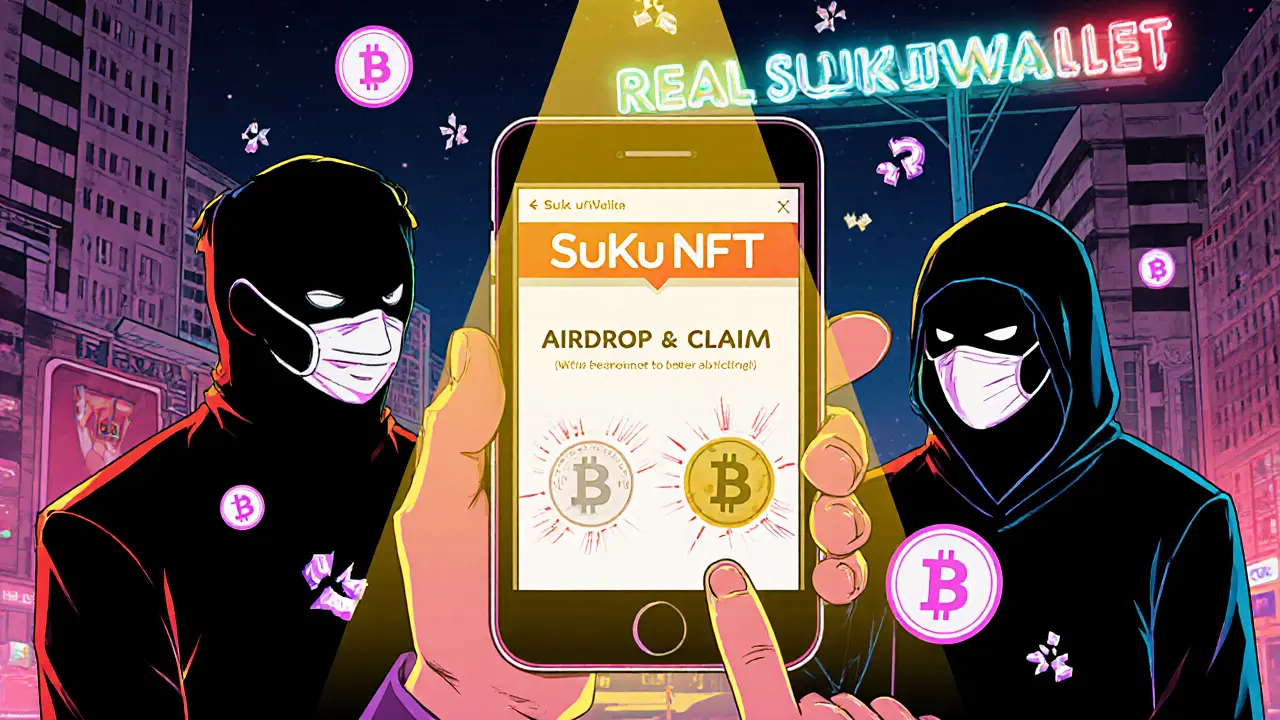
SUKU NFTs Airdrop: What You Need to Know About the Suku NFT Distribution
There is no official SUKU NFT airdrop. SUKU focuses on simplifying crypto transactions with its wallet that uses X handles. Any claims of free NFTs are scams. Learn what SUKU actually offers and how to use it safely.
November 14 2025