OFAC SDN List: What It Is and How It Affects Crypto Users
When you hear OFAC SDN list, a U.S. government database of individuals and organizations blocked from doing business in America. Also known as Specially Designated Nationals list, it’s not just about old-school banking—it’s now a live filter on every crypto transaction. If your wallet interacts with an address on this list, even by accident, your funds can be frozen, your exchange account shut down, or worse—you could face legal trouble.
The OFAC SDN list, a U.S. government database of individuals and organizations blocked from doing business in America. Also known as Specially Designated Nationals list, it’s now a live filter on every crypto transaction. If your wallet interacts with an address on this list, even by accident, your funds can be frozen, your exchange account shut down, or worse—you could face legal trouble.
It’s not just about terrorists or dictators. The list includes crypto exchanges, mixers, and even individuals tied to sanctioned countries like Iran, North Korea, or Syria. In 2024, the U.S. Treasury added over 150 crypto-related addresses to the list, including wallets linked to ransomware groups and decentralized protocols that ignored compliance. If you’re using a wallet that once held funds from a sanctioned source—even if you didn’t know it—you’re at risk. Exchanges like Coinbase and Kraken now scan every incoming transaction against this list in real time. They don’t ask. They just freeze.
And it’s not just exchanges. Airdrops like the ones you see on YasoToGo? Many are filtered. If your wallet has ever touched a flagged address, you won’t qualify. Projects like NEKO, SUKU, or E2P that claim to be "free"? They’re running background checks. If you’re on the wrong side of OFAC, you won’t get paid—no matter how many social posts you shared. The same goes for offshore accounts. People think hiding crypto in a non-KYC exchange keeps them safe. It doesn’t. Blockchain analytics firms like Chainalysis and Elliptic feed data directly to OFAC. Your on-chain history is public. Your IP address? Traced. Your phone number? Linked.
China’s crypto ban, Algeria’s underground market, El Salvador’s Bitcoin struggles—all these stories connect back to OFAC. When governments restrict crypto, they don’t just block apps. They block addresses. They block wallets. They block people. And if you’re using a tool like PancakeSwap on Linea or trading GRAIL on Arbitrum, you’re still under this global watch. No platform is immune. Even decentralized ones like Camelot or Definitive have compliance teams now. They don’t want to be on the list themselves.
You can’t outsmart this. VPNs won’t help. Mixing services are flagged. Self-custody doesn’t protect you from association. The only safe move? Know where your coins came from. Check your wallet history. Avoid any token linked to a sanctioned entity. If a project won’t tell you if it’s OFAC-compliant, walk away. The OFAC SDN list isn’t a suggestion. It’s the law. And in crypto, breaking it doesn’t just mean losing money—it means losing freedom.
Below, you’ll find real examples of how this list has shut down airdrops, blocked wallets, and forced projects to vanish overnight. No theory. No guesswork. Just what happened—and how to stay clear of it.
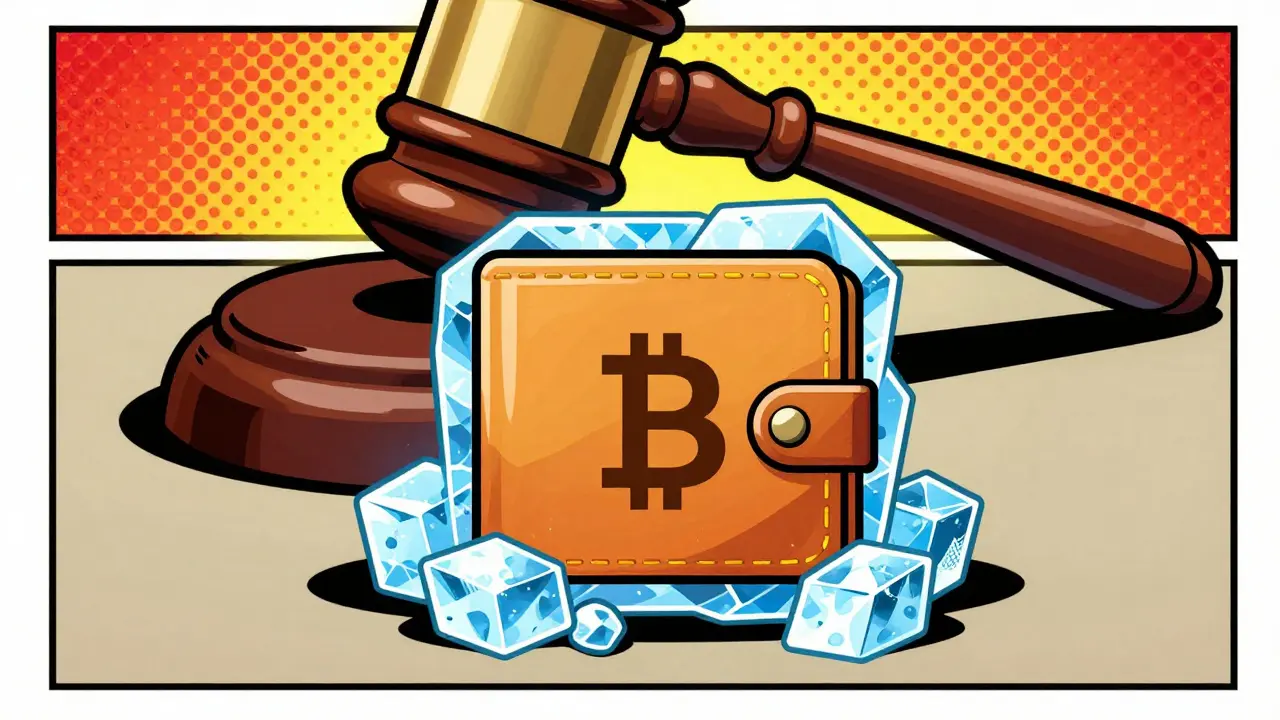
OFAC Sanctions List: Crypto Addresses and Sanctioned Entities Explained
Explore the OFAC sanctions list for crypto addresses and entities. Learn about the 2025 updates, compliance requirements, and risks for users and businesses in the evolving regulatory landscape.
March 25 2026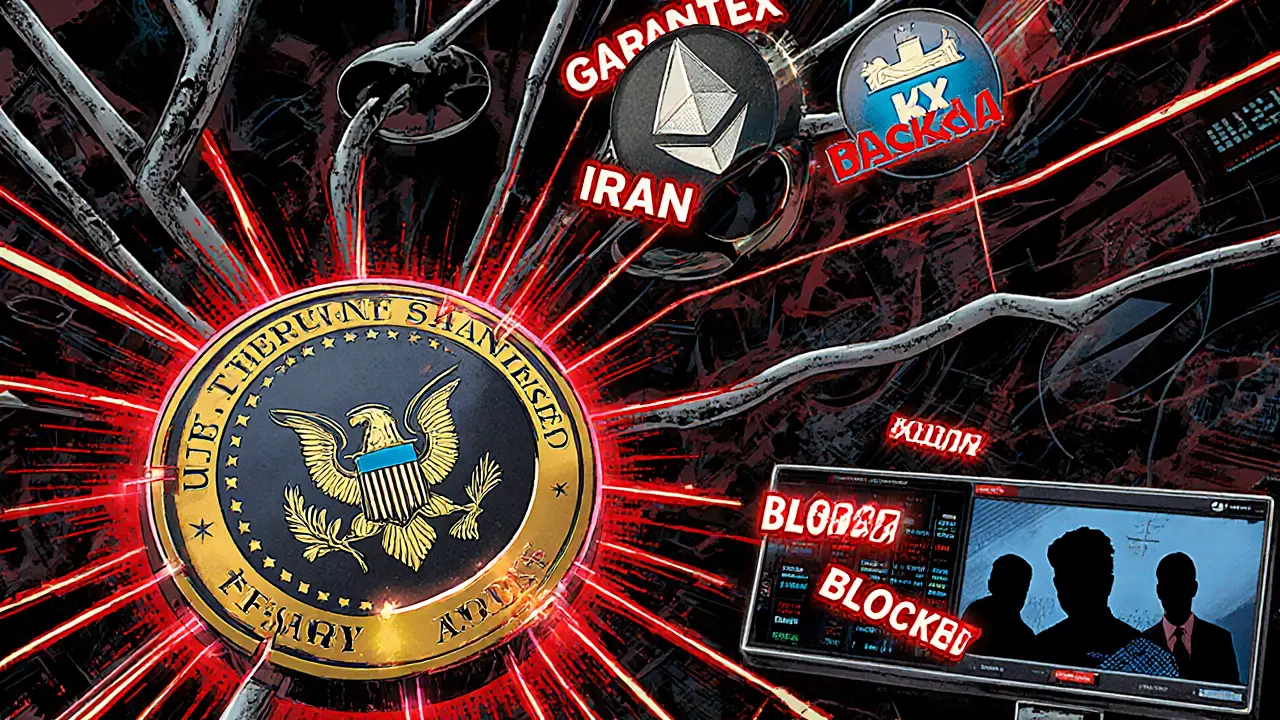
OFAC Cryptocurrency Sanctions and Compliance: What Crypto Businesses Must Do in 2025
OFAC cryptocurrency sanctions apply to all digital asset transactions involving U.S. persons or systems. Learn how crypto businesses must screen wallets, block sanctioned addresses, and build compliance programs to avoid massive fines in 2025.
November 14 2025