OFAC Cryptocurrency Sanctions: What You Need to Know About Blocked Crypto Activities
When you hear OFAC cryptocurrency sanctions, the U.S. government’s list of blocked digital asset addresses and entities tied to terrorism, crime, or hostile nations. Also known as crypto blacklist, it’s not a suggestion—it’s a legal boundary that affects every wallet, exchange, and token you touch. If you’re using crypto in the U.S. or dealing with U.S.-based platforms, you’re already under its watch. OFAC doesn’t just target shady wallets—it freezes entire exchanges, cuts off access to DeFi protocols, and flags tokens linked to sanctioned individuals. This isn’t science fiction. In 2023, the U.S. Treasury froze over $1.2 billion in crypto tied to North Korean hacking groups, and since then, every major exchange has had to build OFAC screening into their systems.
These sanctions don’t just stop criminals—they change how ordinary users interact with crypto. If your wallet ever receives a single satoshi from a flagged address—even by accident—you could get locked out of your funds. That’s because platforms like Coinbase, Kraken, and Binance now scan every incoming transaction against OFAC’s list in real time. And it’s not just about direct transfers. If you swap tokens on a decentralized exchange and one of the liquidity pools holds a tainted asset, your trade might get blocked before it even confirms. This is why you see so many posts here about fake airdrops and abandoned tokens: many of them were created by actors on OFAC’s radar, then abandoned once the heat came on. Projects like [Fake] Test (TST) or rogue NFT drops? They often start as scams, but they’re also used to launder money, which makes them instant targets.
OFAC cryptocurrency sanctions work hand-in-hand with blockchain tracing, the process of following digital asset movements across public ledgers using forensic tools. Tools like Chainalysis and Elliptic don’t just track money—they map connections between wallets, identify clusters of activity, and flag patterns that match known criminal behavior. That’s why offshore crypto accounts aren’t safe anymore. Even if you move your coins to a non-U.S. exchange, if that exchange serves U.S. customers or uses U.S. infrastructure, it’s legally required to screen your transactions. And if you’re in a country like China or Algeria, where crypto is banned outright, you’re already walking a tightrope between government crackdowns and OFAC’s global reach. The same tools that track ransomware payments also track people trying to bypass national bans.
Then there’s crypto AML, anti-money laundering rules that force exchanges to collect user identities and report suspicious activity. It’s not just KYC forms anymore. OFAC’s rules now require exchanges to monitor behavior—not just addresses. If you suddenly start sending small amounts to dozens of new wallets, or if you’re using privacy tools like mixers, you’re likely to get flagged. That’s why so many posts here warn against fake airdrops and shady exchanges like YEX or Hubi: they’re often unregulated, un-audited, and don’t screen for sanctions. Using them doesn’t just risk your money—it risks your legal standing.
What you’ll find below isn’t a list of banned tokens. It’s a collection of real stories about what happens when crypto meets government enforcement. From the NEKO airdrop that vanished overnight to the SUKU NFT scam tied to unverified wallets, each post shows how OFAC’s shadow reaches into the smallest corners of the crypto world. You’ll learn how to spot a wallet that’s already flagged, why some exchanges won’t let you withdraw even if you’re clean, and how to protect yourself without turning to risky workarounds. This isn’t about avoiding the law—it’s about understanding it so you don’t accidentally break it.
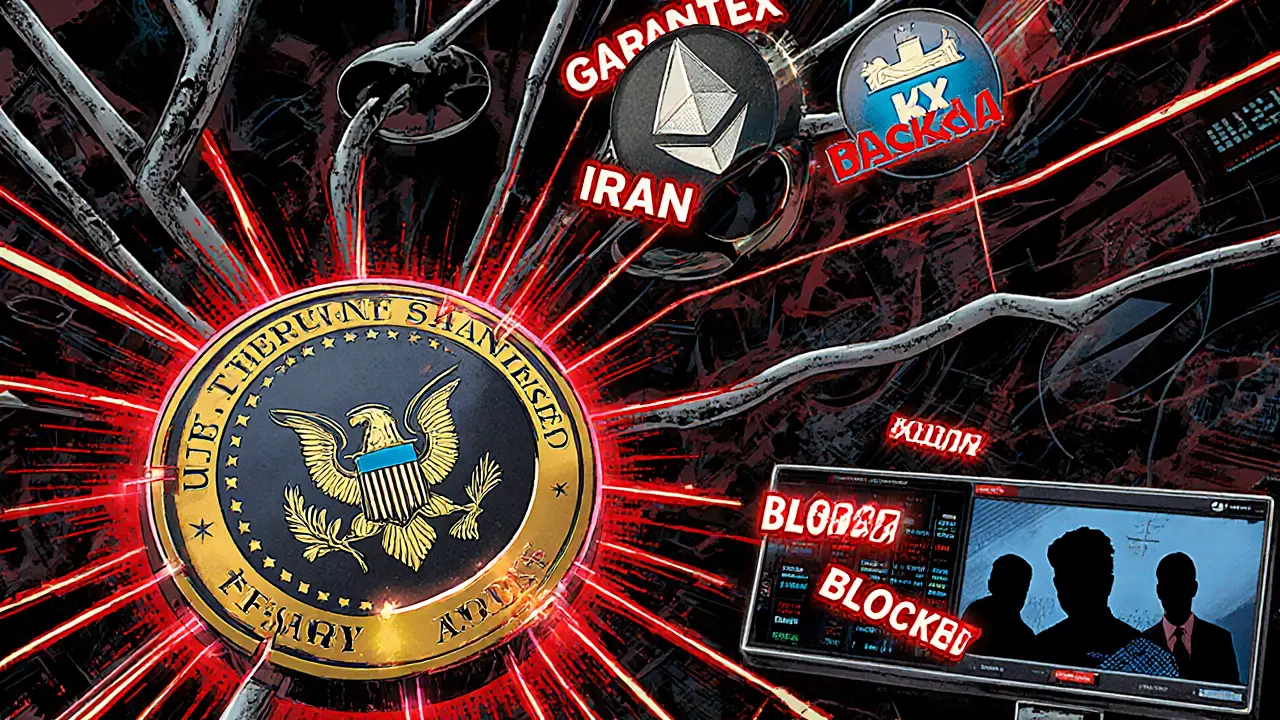
OFAC Cryptocurrency Sanctions and Compliance: What Crypto Businesses Must Do in 2025
OFAC cryptocurrency sanctions apply to all digital asset transactions involving U.S. persons or systems. Learn how crypto businesses must screen wallets, block sanctioned addresses, and build compliance programs to avoid massive fines in 2025.
November 14 2025