
Energy Crisis Crypto Mining: Why Bitcoin Mining Is Changing Under Global Pressure
When you hear energy crisis crypto mining, the growing conflict between cryptocurrency mining operations and national power grids. Also known as crypto power demand, it’s not just about electricity bills—it’s about who gets to use power when the grid is strained. Bitcoin mining doesn’t run on magic. It runs on massive amounts of electricity, and when countries face blackouts, rising rates, or climate targets, mining farms become targets—not assets.
Look at what happened in Kazakhstan in 2022. After protests shut down internet access, Bitcoin mining rigs went dark overnight because they were using 20% of the country’s total power. In Texas, utilities started charging miners extra fees during heatwaves because their rigs were draining the grid. And in China, the 2021 ban didn’t just push miners overseas—it forced the whole industry to rethink where and how they mine. Now, miners don’t just chase cheap power—they chase renewable energy, clean power sources like hydro, wind, and solar used to power mining operations. Some even use flared gas from oil fields or excess hydro power that would otherwise go to waste. It’s not greenwashing—it’s survival.
Meanwhile, crypto mining regulations, government rules that restrict or tax cryptocurrency mining based on energy consumption are popping up everywhere. El Salvador tried to use geothermal energy to mine Bitcoin, but even there, the cost and complexity made it unsustainable. Russia lets mining continue but only if you pay taxes and avoid state-owned power plants. Europe is moving toward banning proof-of-work entirely. And in the U.S., states like New York and Vermont have slapped moratoriums on new mining farms. These aren’t random policies—they’re direct responses to the same problem: crypto mining uses too much power during times when people need it most.
What you’ll find below isn’t a list of mining rigs or hash rates. It’s a collection of real stories—projects that failed because they ignored energy costs, exchanges that got shut down over power use, and airdrops tied to mining networks that collapsed when the lights went out. You’ll see how the energy crisis crypto mining debate isn’t about Bitcoin being good or bad. It’s about who pays the bill—and whether mining can adapt before it’s banned outright.
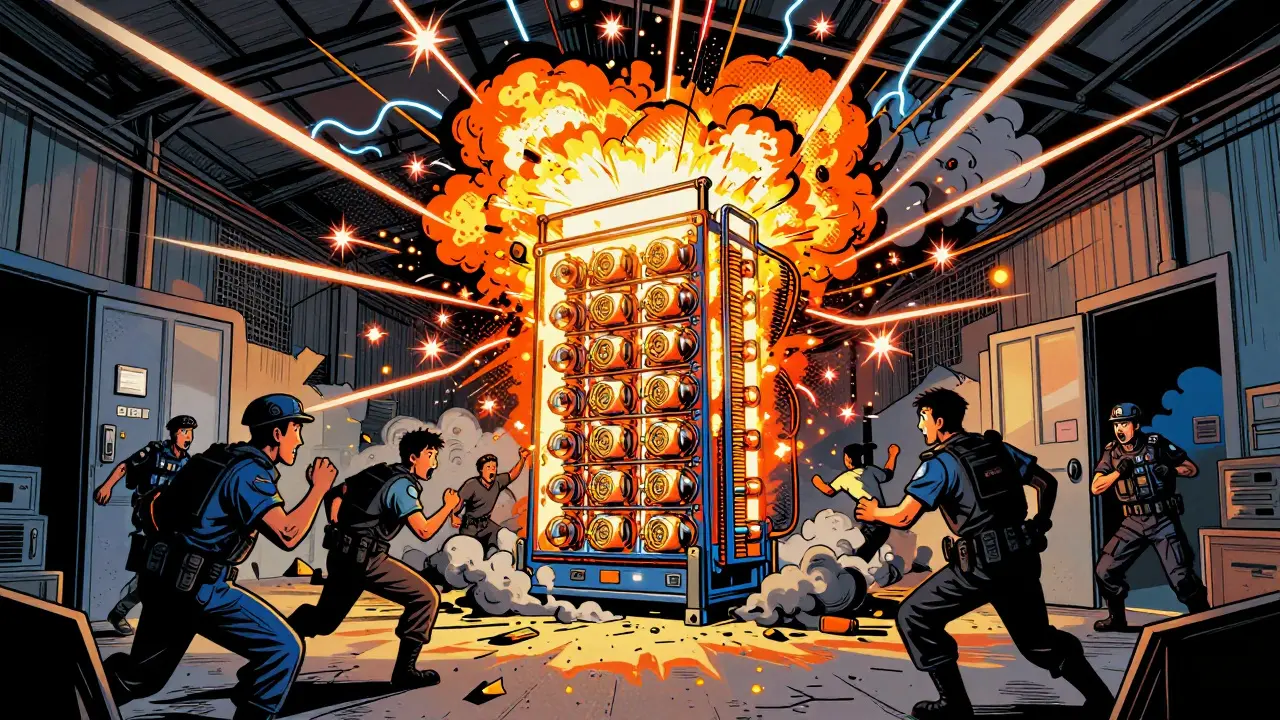
Angola Crypto Mining Ban as of April 2024: What Happened and Why It Matters
Angola banned cryptocurrency mining in April 2024 to protect its fragile power grid. The law carries prison sentences up to 12 years and led to a major international crackdown that seized $37 million in mining equipment.
December 5 2025