
El Salvador Bitcoin: What Really Happened and Why It Matters
When El Salvador Bitcoin, the first nation to adopt Bitcoin as legal tender. Also known as Bitcoin legal tender, it sparked global debate about money, sovereignty, and digital finance. In September 2021, El Salvador didn’t just experiment with crypto—it rewrote the rules. No other country has made a cryptocurrency official money alongside the U.S. dollar. The goal? To cut remittance fees, bank the unbanked, and attract investment. But what actually happened? And who won or lost?
The government rolled out the Chivo wallet, a state-backed digital wallet tied to Bitcoin and U.S. dollars. Also known as Chivo app, it gave users $30 in Bitcoin just for signing up. Over 4 million people downloaded it in the first month. But many didn’t know how to use it. Others saw it as a scam. The app crashed. The promised Bitcoin rewards were often delayed. And while the government claimed adoption was high, real daily usage stayed low. Most businesses kept pricing in dollars. Most people cashed out their Bitcoin right away.
Then came the Bitcoin bonds, a $1 billion bond plan backed by Bitcoin reserves to fund city projects. Also known as Volcano Bonds, they promised 6.5% interest and a Bitcoin bonus. Investors from outside El Salvador bought them. But the country’s credit rating dropped. The IMF warned about financial risk. And when Bitcoin’s price fell, the bonds lost value fast. The government’s Bitcoin treasury, which started with 2,300 BTC, now holds less than half that. Some of it was sold at a loss.
What’s clear is this: El Salvador Bitcoin wasn’t a failure—it was a messy, real-world test. It didn’t turn the country into a crypto utopia. But it did force the world to pay attention. Banks had to rethink cross-border payments. Developers had to build better wallets. Regulators had to ask: Can crypto be money, or just a gamble? And for everyday Salvadorans? Many still send money through Western Union. But now, they also have a choice.
Below, you’ll find posts that dig into the real stories behind crypto adoption, scams hiding in plain sight, and how governments react when money goes digital. Some are about failed tokens. Others are about people trying to stay safe when rules change overnight. This isn’t theory. It’s what happens when crypto meets reality.
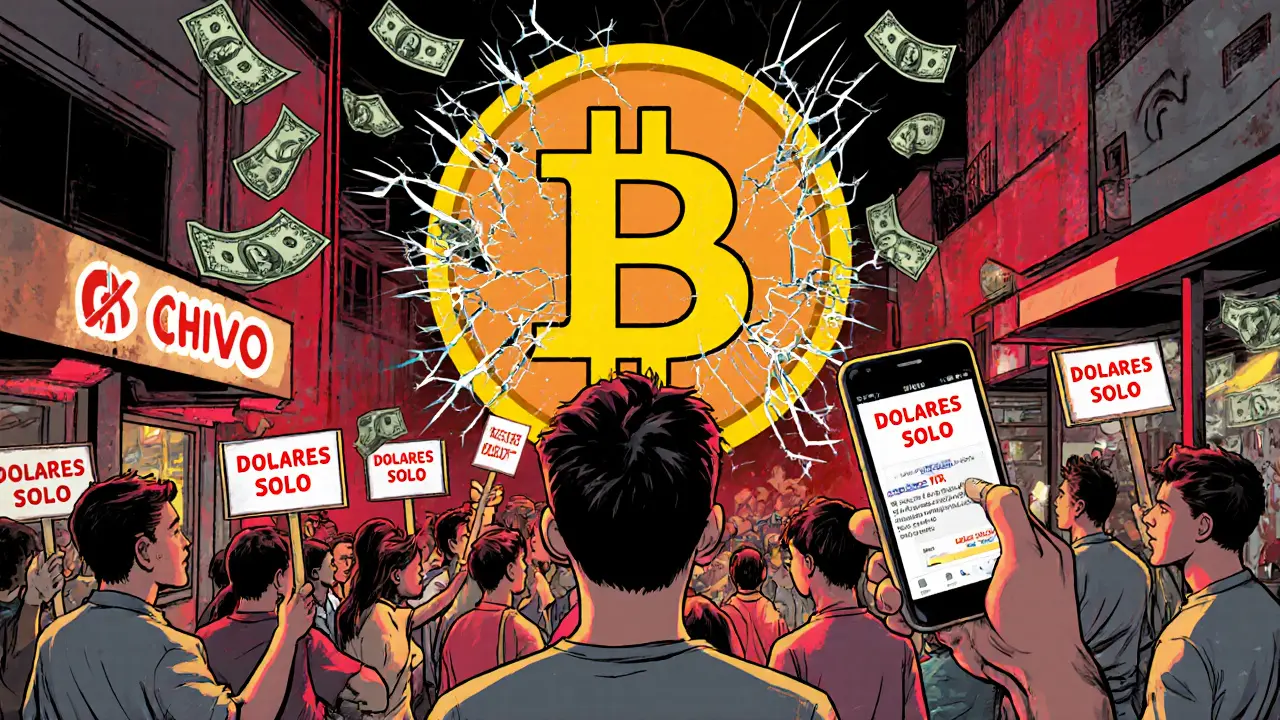
How El Salvador Uses Bitcoin for National Economy - And Why It’s Struggling
El Salvador made Bitcoin legal tender in 2021 to boost remittances and financial inclusion. Three years later, adoption is minimal, costs remain high, and the government has scaled back its efforts after losing billions and facing IMF pressure.
November 13 2025