
Cryptocurrency Ban China: What Happened and How It Changed Crypto Globally
When cryptocurrency ban China, a sweeping government action that shut down all crypto trading and mining operations within its borders. Also known as China's crypto crackdown, it wasn't just a policy change—it was a seismic shift that sent shockwaves through every major crypto market. In September 2021, China made it illegal for banks and payment processors to handle any crypto transactions. Mining farms were shut down overnight. Exchanges like Binance and Huobi had to pull out of the country. This wasn't about regulating crypto—it was about erasing it from the domestic economy.
The China crypto policy, a state-driven strategy to control financial flows and protect the yuan from digital competition. Also known as digital currency supremacy, it was built around the People's Bank of China's push for the digital yuan. While other countries debated how to tax or regulate crypto, China decided the only safe option was total removal. This move forced crypto regulation, the global framework governing how nations treat digital assets. Also known as digital asset laws, it became a reference point for every country weighing whether to embrace or ban crypto. Countries like Vietnam and Nigeria saw spikes in peer-to-peer trading as users looked for alternatives. Meanwhile, mining hardware manufacturers in the U.S. and Canada suddenly had a flood of cheap, used ASICs from China flooding their markets.
The Bitcoin ban China, a key part of the broader crypto crackdown that targeted the most popular digital asset. Also known as BTC mining shutdown, it wasn't just about stopping trading—it was about dismantling the physical infrastructure that powered Bitcoin's network. China once ran over 70% of global Bitcoin mining. When it vanished, the network's hash rate dropped by half in weeks. But instead of killing Bitcoin, it forced miners to spread out—into Kazakhstan, the U.S., and even Iceland. What looked like a death blow turned into decentralization on steroids. Today, you can't buy Bitcoin on a Chinese exchange, but you can still find it on dark P2P markets. The ban didn't stop crypto—it just moved it underground and overseas.
What you'll find in the posts below are real stories from the front lines: how traders adapted, how miners rebuilt, and how regulators worldwide took notes. You'll see how China's move shaped today's rules for exchanges, wallets, and even how you store your crypto. No fluff. No theory. Just what happened, who got hit, and how the world changed because of it.
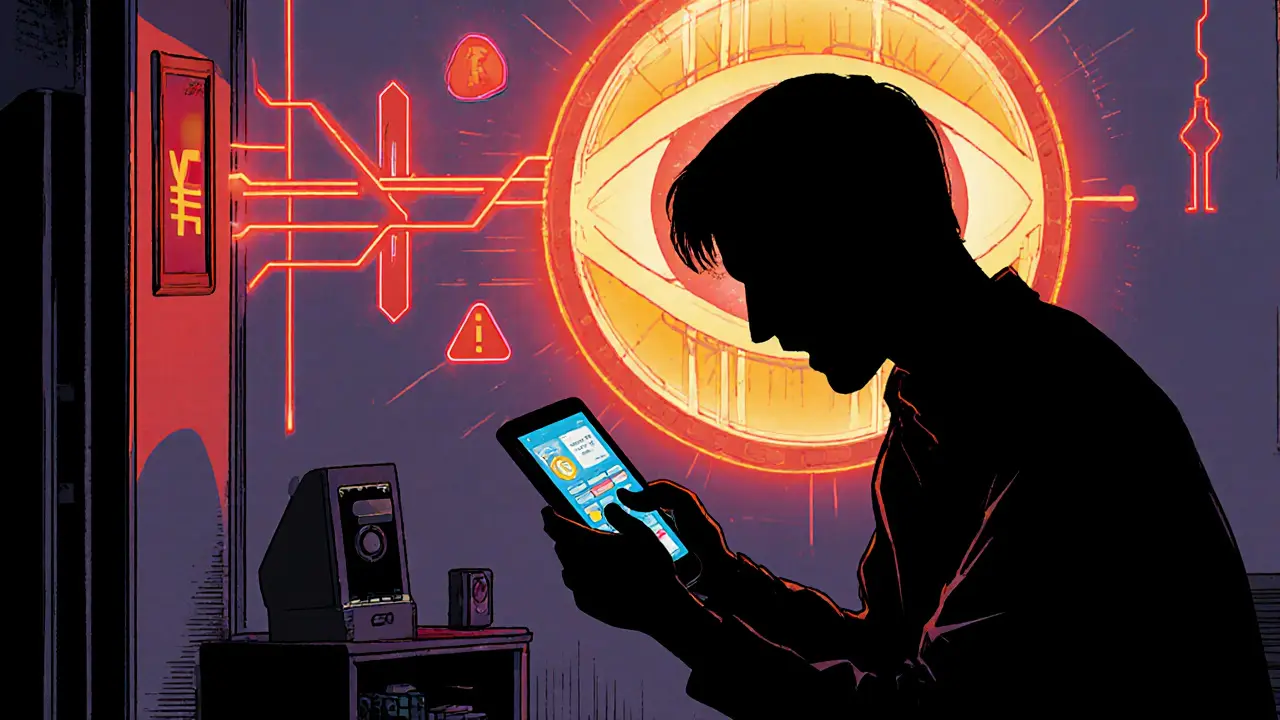
How to Avoid Crypto Restrictions in China
China's 2025 crypto ban makes holding, trading, or mining cryptocurrency illegal. Learn why bypassing the ban is dangerous, what the real risks are, and the only safe option for Chinese citizens.
November 15 2025