
Angola Crypto Mining Ban: What Happened and How It Affects Crypto in Africa
When Angola crypto mining ban, a government decision in 2023 that outlawed cryptocurrency mining operations to preserve national electricity supply and prevent unregulated capital outflows. Also known as crypto mining prohibition in Angola, it was one of the first clear-cut moves by an African nation to shut down large-scale mining activity rather than just regulate it. This wasn’t just about stopping Bitcoin rigs—it was a signal that Angola sees uncontrolled crypto mining as a threat to its energy security and financial sovereignty.
The ban targeted commercial miners using grid power to run thousands of machines, not individuals holding crypto in wallets. The government cited rising electricity costs and blackouts as direct results of mining farms draining the national grid. Unlike Nigeria, where banks restrict crypto but don’t ban mining, or South Africa, where mining is legal but taxed, Angola took a hardline stance: no mining, period. This move connects directly to crypto regulation Angola, the legal framework that now classifies crypto mining as an illegal use of public infrastructure. It also reflects broader tensions across African crypto mining, a growing sector where countries like Kenya and Zambia allow mining but struggle with enforcement and energy shortages. Angola’s decision forced miners to either shut down, go underground, or relocate to neighboring countries with looser rules.
What’s often missed is how this ban impacts everyday users. Holding Bitcoin or Ethereum in a personal wallet is still legal. Trading on international exchanges isn’t blocked. But if you’re running a rig in your garage using Angola’s power, you’re breaking the law. This creates a strange split: crypto is tolerated as an asset, but not as an industry. It’s a model other African nations are watching closely—especially those with unstable grids like Zimbabwe and Mozambique. The crypto mining legality, the legal status of running mining hardware in a given country is now a key factor for anyone considering where to operate in Africa.
Below, you’ll find real stories and breakdowns of how this ban played out—what happened to miners, how local exchanges reacted, and whether any loopholes still exist. These aren’t theoretical analyses. They’re reports from people who lived through it. If you’re curious about how governments shut down crypto operations, or how Africa’s approach to mining differs from the rest of the world, what follows is exactly what you need to understand the real impact.
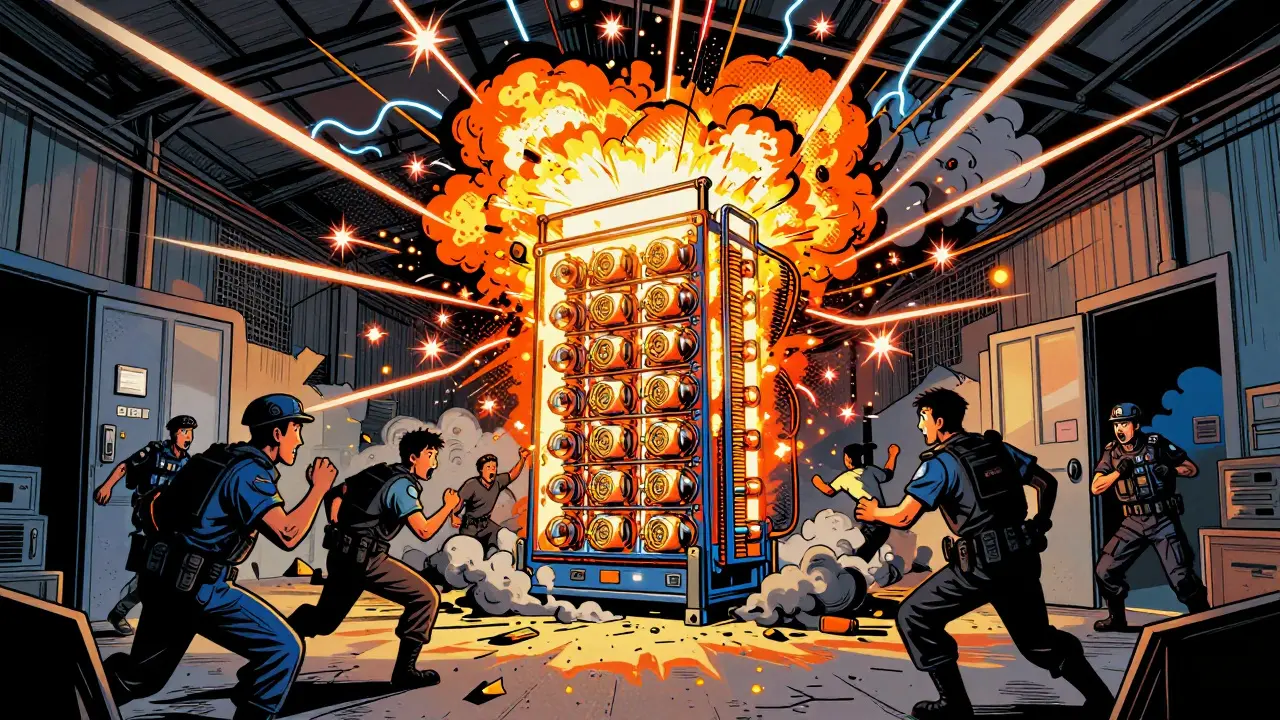
Angola Crypto Mining Ban as of April 2024: What Happened and Why It Matters
Angola banned cryptocurrency mining in April 2024 to protect its fragile power grid. The law carries prison sentences up to 12 years and led to a major international crackdown that seized $37 million in mining equipment.
December 5 2025