
smart contract interaction tracking is the process of monitoring and recording every action when users or applications interact with smart contracts on a blockchain. This tracking creates a permanent, transparent audit trail that's crucial for security and efficiency in decentralized applications.
What Exactly is Smart Contract Interaction Tracking?
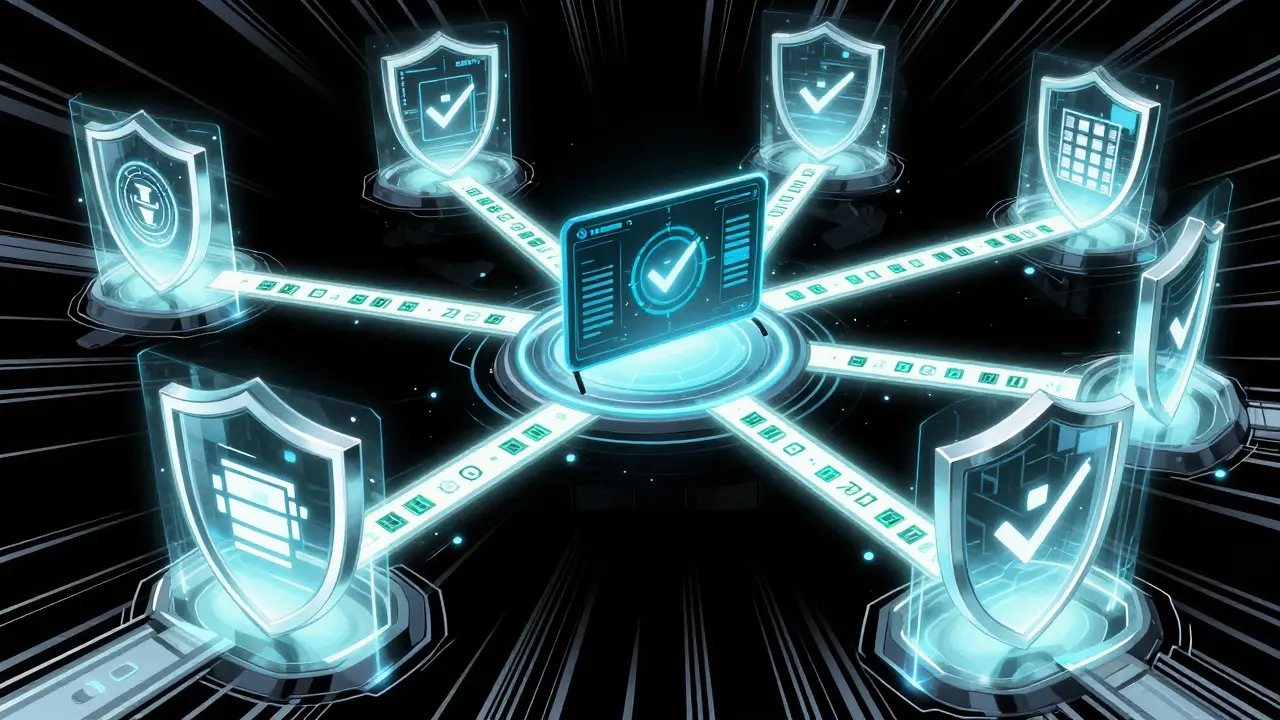
Smart contract interaction tracking refers to the comprehensive monitoring of all activities that occur when users, applications, or other smart contracts interact with deployed smart contracts on a blockchain network. Every transaction, state change, and event emitted by a smart contract is permanently recorded on the blockchain's immutable ledger. This creates a detailed history that developers, auditors, and users can analyze to understand contract behavior and ensure proper execution.
For example, when a user swaps tokens on a decentralized exchange (DEX), the smart contract logs this interaction as an event. These events contain structured data like the sender's address, amount swapped, and timestamp. Tracking these events helps users verify their transactions and developers monitor the contract's performance. Without this tracking, it would be impossible to verify contract actions or troubleshoot issues.
Why Tracking Matters for Blockchain Applications
Tracking smart contract interactions isn't just about record-keeping-it's essential for security, transparency, and efficiency. In DeFi, for instance, users rely on tracking to monitor liquidity pools and lending protocols. If a protocol's smart contract behaves unexpectedly, tracking helps identify issues before they cause financial losses.
For NFT marketplaces, tracking ensures ownership transfers are valid and royalty payments are correctly processed. Without this, creators could lose income from secondary sales. Similarly, supply chain applications use tracking to verify product authenticity and track shipments in real time. A construction company could trace material deliveries through smart contracts, resolving disputes quickly with transparent records.
How Smart Contract Tracking Works Under the Hood
On Ethereum, smart contracts emit events using LOG opcodes (LOG0 through LOG4). Each event includes topics for indexing and data payloads with detailed information. These events are stored in transaction logs, which can be searched and filtered efficiently. For example, a token transfer event might have topics for the sender, receiver, and amount, making it easy to find all transfers of a specific token.
Other blockchains like Hyperledger Fabric use different mechanisms. Fabric's channel-based architecture tracks interactions through endorsement policies and transaction validation processes. This approach is designed for enterprise use cases where privacy and control are critical. Regardless of the platform, the core principle remains: every interaction is permanently recorded and can be analyzed.

Key Tools for Monitoring Interactions
Etherscan and BscScan are popular blockchain explorers that let users view transaction histories and event logs. These tools display smart contract interactions in a user-friendly format, showing details like gas usage, function calls, and internal transactions. For developers, this is invaluable for debugging and monitoring contract performance.
More advanced platforms like Chainlens offer deeper analytics. Chainlens provides SaaS and on-premises solutions for Ethereum-compatible networks and Polkadot. It helps identify security risks, optimize gas costs, and track interaction patterns across multiple blockchains. Companies use these tools to maintain compliance and detect unusual activity that might signal an attack.
Real-World Use Cases Across Industries
In DeFi, tracking interactions enables portfolio management and risk assessment. Users can monitor their investments in lending protocols like Aave or Uniswap to ensure their funds are secure and earning expected returns. Developers also use tracking to audit smart contracts before deployment, catching vulnerabilities like reentrancy attacks.
Healthcare organizations are exploring tracking for secure patient data sharing. For example, a hospital could use smart contracts to share medical records with insurers only when specific conditions are met. Tracking these interactions ensures compliance with privacy regulations like HIPAA while maintaining data integrity. Similarly, supply chain companies track product movement from manufacturer to consumer, reducing fraud and improving transparency.
Challenges and Future Developments
Tracking smart contract interactions faces several challenges. High transaction volumes on blockchains like Ethereum generate massive data, requiring efficient storage and querying. This can lead to scalability issues and increased gas fees. Privacy is another concern-some businesses need to track interactions without revealing sensitive details. Solutions like Zero-Knowledge Proofs are being developed to address this by enabling verification without exposing data.
Future developments will focus on real-time analytics and cross-chain compatibility. As more blockchains emerge, tools that track interactions across multiple networks will become essential. Integration with traditional business systems like ERP software will also expand, providing holistic views of blockchain-based processes. These advancements will make tracking more accessible and powerful for all users.
Frequently Asked Questions
What are the main challenges in tracking smart contract interactions?
The main challenges include scalability issues due to high transaction volumes, privacy concerns when tracking sensitive data, gas costs from excessive event logging, and complexities in cross-chain tracking. For example, Ethereum's high gas fees can make detailed tracking expensive for small-scale projects. Additionally, tracking interactions across multiple blockchains requires specialized tools to handle different protocols.
How does event logging work in smart contracts?
Event logging in smart contracts involves emitting structured data during execution. On Ethereum, this uses LOG opcodes (LOG0-LOG4), which create indexed topics and data payloads. Topics allow efficient searching-like filtering all transfers of a specific token-while data payloads contain detailed information such as amounts or addresses. These logs are stored in the blockchain's transaction history and can be queried by external applications.
Why is smart contract interaction tracking important for DeFi?
In DeFi, tracking interactions is vital for security and transparency. Users need to verify that their funds are safe in liquidity pools and lending protocols. Developers use tracking to audit contracts for vulnerabilities like reentrancy attacks or front-running. Without proper monitoring, users could lose funds due to undetected exploits, and protocols might fail to operate as intended.
Can smart contract tracking protect against hacks?
Yes, tracking helps identify malicious activity early. By analyzing interaction patterns, tools can detect unusual behavior such as repeated failed transactions or unexpected function calls. For example, a reentrancy attack might show multiple calls to a contract's withdrawal function in quick succession. Tracking systems flag these patterns, allowing developers to respond before significant damage occurs.
What tools should I use for tracking smart contract interactions?
For beginners, blockchain explorers like Etherscan or BscScan provide basic tracking. Developers needing deeper analysis can use platforms like Chainlens, which offers advanced analytics for Ethereum-compatible and Polkadot networks. Enterprise users might prefer Hyperledger Fabric tools for private blockchain tracking with strict privacy controls.

Matt Smith
February 7, 2026 AT 04:32This whole 'smart contract tracking' is a joke. 🤦♂️ Blockchain is just a glorified spreadsheet for losers. They say it's 'transparent' but it's just a way to spy on you. Stop drinking the Kool-Aid!
Brendan Conway
February 7, 2026 AT 06:10smart contract tracking? i think it's okay but maybe not always needed. sometimes too much info is bad. idk.
Katie Haywood
February 8, 2026 AT 23:57Oh sure, tracking is 'crucial for security'-but have you seen how many hacks happen despite it? Classic 'trust but verify' turned into 'trust nothing'.
Jordan Axtell
February 9, 2026 AT 10:46Bro, you're missing the point. Tracking is what makes blockchain secure. Without it, we'd have chaos. You're just being dramatic.
James Harris
February 10, 2026 AT 06:04Tracking is awesome! It's like having a digital ledger that never forgets. This is the future of transparency. Let's embrace it!
Olivette Petersen
February 10, 2026 AT 06:48I agree with Katie-tracking helps, but we need better tools. Maybe we can improve it instead of dismissing it.
Michelle Anderson
February 10, 2026 AT 08:35Improving tools? What tools? They're all garbage. This whole thing is a waste.
Danica Cheney
February 10, 2026 AT 19:49smart contracts overrated. period
Matthew Ryan
February 11, 2026 AT 04:32I think it's useful for some cases, but yeah, maybe not all. It's complicated.
Joshua Herder
February 11, 2026 AT 08:47Let me tell you something about this 'smart contract interaction tracking' nonsense. It's all a facade. The blockchain community keeps talking about transparency, but what they really mean is surveillance. Every single interaction is recorded forever, creating a permanent record of your every move. Do you really want that? Of course not. It's a trap. They say it's for security, but security is just a buzzword they throw around to keep you compliant. The real issue is control. Who owns the data? Who has access? It's not decentralized at all-it's a new form of centralized control. I've been researching this for years, and every time I think I understand it, it turns out to be more complicated and more dangerous. The developers claim it's secure, but we've seen countless hacks. How can you trust a system that's so vulnerable? And the gas fees! They're astronomical. Tracking every tiny interaction just makes it worse. It's like they're forcing users to pay more just to have their data tracked. It's not about security; it's about profit. The companies behind these platforms want your data so they can sell it or use it against you. And don't even get me started on the environmental impact. Mining blockchains consumes insane amounts of energy. All this tracking is just another way to keep the machine running. It's a cycle of exploitation. I've tried to explain this to people, but they just don't listen. They're too busy chasing the next big thing. But I know the truth. Blockchain isn't the future-it's a dead end. We need to move on. This whole tracking thing is just a distraction from real problems. It's time to wake up and see the bigger picture. The system is rigged, and they're using 'transparency' as a smokescreen. I've said it before, and I'll say it again: smart contract tracking is a scam. It's not helping anyone. It's making things worse. It's time to stop pretending. The truth is out there, but no one wants to see it. I'm done with this. I'm not going to waste my time on this anymore. It's all just noise. I've had enough. Let's move on to something real.
Molly Andrejko
February 12, 2026 AT 03:46I appreciate your perspective, Joshua. It's important to question things. However, while there are challenges, tracking also provides undeniable benefits for security and transparency. Perhaps we can find a balance?
Jim Laurie
February 12, 2026 AT 17:04Hey Joshua, I get where you're coming from. But tracking isn't all bad-there's a lot of value in monitoring interactions for security. Maybe we need better tools instead of dismissing it outright. Just sayin'.
mahikshith reddy
February 12, 2026 AT 17:31Tracking is useless. Blockchain is broken. End of story.
Jesse Pasichnyk
February 13, 2026 AT 06:36Bro, you're wrong. Tracking is essential. Without it, everything falls apart. It's simple.
aryan danial
February 13, 2026 AT 17:55Smart contract tracking is a concept that's been oversimplified by the masses. The true potential lies in its nuanced application, which requires deep understanding-something most people lack. It's not just about recording transactions; it's about creating a new paradigm for trustless systems. But you wouldn't understand that, would you?
Kieren Hagan
February 14, 2026 AT 15:20While I agree that understanding is key, the current tools are accessible enough for developers. Perhaps focusing on education rather than elitism would be more productive.
Brittany Novak
February 15, 2026 AT 06:22Tracking is just a way for governments and corporations to spy on you. It's all part of the plan to control the masses. Be careful-your every move is being monitored.
Brittany Coleman
February 16, 2026 AT 03:02I see your point, but maybe there's more to it. Not everything is a conspiracy. Sometimes it's just about security.
Jacque Istok
February 16, 2026 AT 06:31Tracking is necessary, but let's not pretend it's perfect. It's a tool-useful when applied correctly, but easily misused. So what's the real solution?
Mendy H
February 17, 2026 AT 14:26The 'solution' is simple: stop using blockchains altogether. They're inherently flawed.
sabeer ibrahim
February 17, 2026 AT 16:25blockchain tracking is a scam. it's all about control. the system is rigged. trust me, i know.
Freddie Palmer
February 18, 2026 AT 22:29I see your point, but maybe there's a middle ground? Let's work together to improve things instead of just criticizing.
Michael Sullivan
February 20, 2026 AT 05:43Tracking is useless. 😎 Blockchain is a fad. It's all smoke and mirrors. Period.
Reda Adaou
February 22, 2026 AT 05:26Maybe there's something to it. Let's not dismiss it outright. What do you think about the real-world applications?
perry jody
February 22, 2026 AT 17:14Tracking is awesome! 🚀 It's the future of transparency. Let's all embrace it! 😄
Paul Jardetzky
February 24, 2026 AT 04:17Yes, tracking is crucial for security and efficiency. It's a foundational tool for decentralized applications. Let's focus on improving it.
Paul Gariepy
February 25, 2026 AT 19:25Tracking is essential for security and transparency! It's a game-changer for blockchain applications. Let's make sure we use it right!
Udit Pandey
February 26, 2026 AT 00:42While I agree that tracking is important, it must be done with strict adherence to regulatory standards. Otherwise, it becomes a tool for exploitation rather than transparency.
Sharon Lois
February 26, 2026 AT 23:38Tracking is just a way to spy on people. It's all part of the plan. 😒
orville matibag
February 27, 2026 AT 22:10Interesting perspective. But maybe there's more to it than just spying. Let's look at the bigger picture.