
Malta Crypto License: What You Need to Know About Crypto Regulation in Malta
When it comes to Malta crypto license, a formal regulatory framework issued by the Malta Financial Services Authority for crypto businesses to operate legally. Also known as Malta blockchain license, it turned the island into one of the first places in the world to build clear rules for crypto companies, exchanges, and blockchain startups. Before Malta stepped in, most countries either ignored crypto or banned it outright. But in 2018, Malta passed three key laws—the Virtual Financial Assets Act, the Malta Digital Innovation Authority Act, and the Technology Services Arrangements Act—that gave crypto firms a real path to operate without fear of sudden crackdowns.
This didn’t just help big companies. It also attracted developers, token issuers, and even blockchain gaming teams who wanted to build without hiding. If you’re running a crypto exchange in Malta, you need a license. Same if you’re launching a token, offering staking services, or running a wallet provider. The Malta Financial Services Authority, the government body that issues and oversees crypto licenses in Malta doesn’t just hand them out. You need a physical office, a local compliance officer, detailed AML procedures, and proof you can handle customer funds safely. It’s not easy, but it’s transparent. You know exactly what’s expected.
That’s why so many major players moved there—Binance, OKX, and Crypto.com all set up headquarters in Malta before shifting some operations elsewhere. The license didn’t make them rich overnight, but it gave them legitimacy. Investors trusted them more. Banks in Europe were more willing to work with them. And when other countries started cracking down, Malta’s license became a badge of trust.
But here’s the catch: the license isn’t for individuals. You can’t get a Malta crypto license just to hold Bitcoin or trade on your own. It’s only for businesses. And while the rules are clear, they’re strict. If you skip compliance, you lose your license—and your business. That’s why so many startups still try to fake it with offshore setups, only to get shut down later.
Today, the crypto exchange Malta, a category of regulated platforms allowed to operate under Malta’s crypto laws scene is quieter than it was in 2021, but the rules haven’t changed. The government still wants to be known as the blockchain island. And if you’re building a crypto business in Europe, understanding the Malta crypto license isn’t optional—it’s one of the smartest moves you can make.
Below, you’ll find real stories about what happens when companies try to cut corners, what the license actually costs, and how it compares to other crypto-friendly places like Switzerland or Singapore. No fluff. Just what you need to know before you decide where to build your next crypto project.
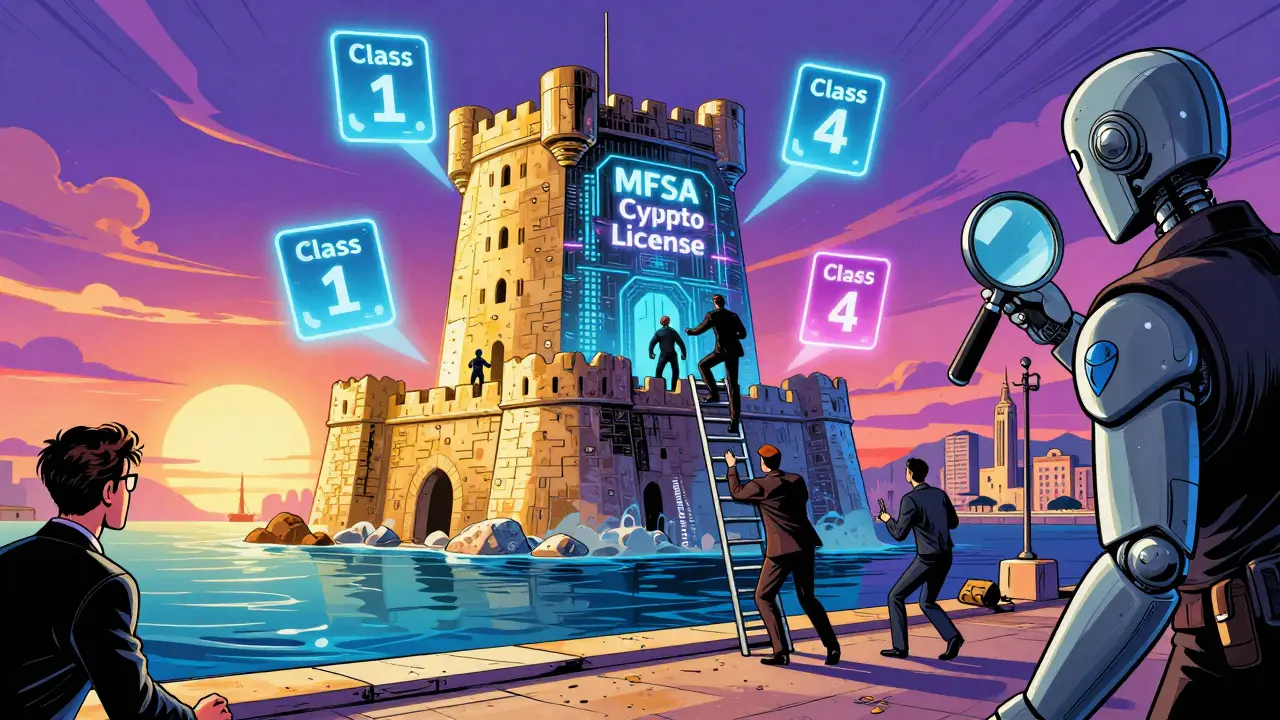
Crypto Business Licensing Requirements in Malta: What You Need to Know in 2025
Malta's crypto licensing system in 2025 requires businesses to meet strict capital, AML, and local presence rules. Learn the four license classes, hidden costs, approval timeline, and why it's still a top EU choice despite MiCA integration.
December 8 2025