
Crypto Restrictions in China: What’s Banned, Why It Matters, and How It Affects You
When we talk about crypto restrictions in China, a sweeping government policy that banned cryptocurrency mining, trading, and financial services tied to digital assets. Also known as China’s crypto crackdown, it’s not just a local rule—it’s one of the most aggressive regulatory moves in blockchain history. Starting in 2021, China shut down mining farms, blocked access to exchanges like Binance and OKX, and told banks to stop handling any crypto-related transactions. No more Bitcoin mining in Sichuan. No more trading on domestic platforms. Even using a wallet to send or receive crypto became legally risky.
This wasn’t just about control—it was about protecting the yuan, China’s state-backed digital currency. Also known as Digital Yuan, it’s the central bank’s answer to decentralized money. The government didn’t want people bypassing the financial system with Bitcoin or Ethereum. They wanted full oversight. And that’s why they went after everything: exchanges, miners, even peer-to-peer trades. The result? China went from being the world’s top crypto mining hub to nearly zero activity in just two years. But here’s the twist: OFAC cryptocurrency sanctions, U.S. rules that block transactions with certain wallets and entities. Also known as blockchain sanctions, they’re now being used globally to track crypto flows. That means China’s ban isn’t isolated—it’s part of a larger global trend where governments are using blockchain tracing to enforce control.
What does this mean for you if you’re not in China? Everything. When China cracked down, crypto prices dropped hard. Miners sold equipment globally, flooding markets with cheap hardware. Exchanges moved operations to places like the UAE and Singapore. And suddenly, crypto compliance, the practice of verifying users and blocking illegal transactions. Also known as crypto AML, it became non-negotiable for every major exchange. Platforms now check your location before letting you trade. Some even block users from certain countries entirely—like OKX, which restricts access in the U.S., UK, and Canada. The same logic China used? Now it’s everywhere.
What you’ll find in the posts below isn’t just news about China. It’s the ripple effect. You’ll see how crypto restrictions in China forced traders to look for offshore solutions, how scams exploded in the vacuum, and why fake airdrops like NEKO or SUKU NFTs became so common. You’ll learn how blockchain tracing makes hiding crypto nearly impossible now—and why even offshore accounts aren’t safe. This isn’t about politics. It’s about survival in a world where every transaction leaves a digital trail.
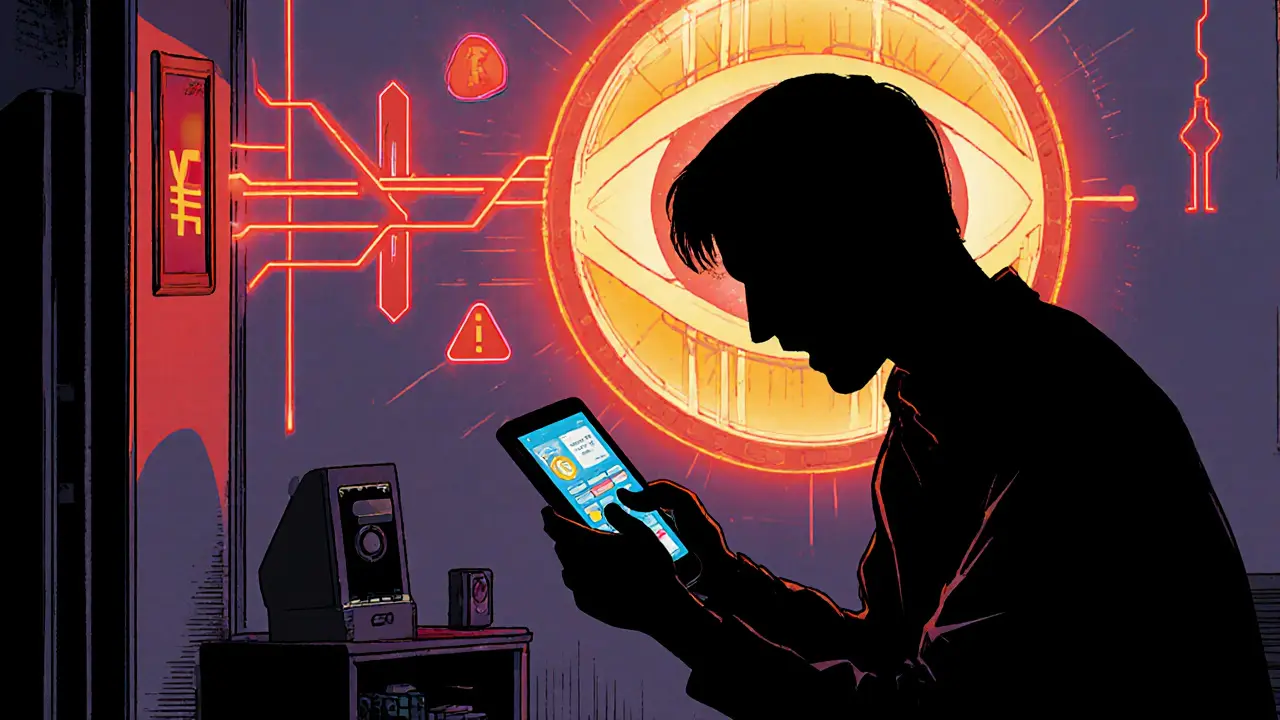
How to Avoid Crypto Restrictions in China
China's 2025 crypto ban makes holding, trading, or mining cryptocurrency illegal. Learn why bypassing the ban is dangerous, what the real risks are, and the only safe option for Chinese citizens.
November 15 2025