
Crypto Mining Legality: Where It's Allowed, Banned, and Everything in Between
When you think about crypto mining legality, the rules that determine whether you can legally use hardware to validate blockchain transactions and earn rewards. Also known as cryptocurrency mining regulations, it’s not just about tech—it’s about who controls the money, who collects taxes, and who’s scared of decentralized power. This isn’t the wild west anymore. Governments have woken up, and their responses range from welcoming miners with tax breaks to shutting down entire data centers overnight.
Crypto mining laws, the official rules set by national or regional authorities governing how, where, and under what conditions cryptocurrency mining can operate. Also known as blockchain mining regulations, it’s a patchwork of conflicting policies. In the U.S., some states like Texas and Georgia actively court miners with cheap electricity and light oversight. Meanwhile, China banned all mining in 2021 and still enforces it with raids and power cuts. Russia doesn’t outright ban it—but if your mining operation doesn’t register with the state, you’re breaking the law. And in countries like Algeria and Egypt, mining is illegal because authorities see it as a threat to their control over the financial system.
Then there’s the gray zone. Places like El Salvador, where Bitcoin is legal tender, don’t have clear rules for mining—but no one’s stopping you. Meanwhile, countries like Nigeria and India don’t ban mining outright, but banks freeze accounts linked to crypto activity, making it risky to cash out. And if you’re mining in a country with strict capital controls, like Iran or Venezuela, you’re not just dodging rules—you’re using mining to survive.
Crypto taxation, how governments treat the income or profits you make from mining cryptocurrency as taxable events. Also known as mining income tax, it’s often the hidden catch. Switzerland doesn’t tax crypto gains, but it does tax your holdings as wealth. In Germany, if you hold mined coins for over a year, you owe zero tax. In the UK, you pay income tax on mining rewards when you receive them, then capital gains tax when you sell. Skip reporting, and you’re not just being sloppy—you’re risking fines or worse.
And don’t forget the environmental angle. Iceland and Norway let miners in because they have cheap, clean hydro and geothermal power. But in Kazakhstan, where coal powers the grid, the government suddenly slapped heavy fees on miners in 2022—not because of crypto, but because they were draining the national grid. The same thing happened in China: mining wasn’t banned because of Bitcoin. It was banned because it used too much electricity.
What you’ll find below isn’t a list of laws. It’s a collection of real stories—where mining worked, where it collapsed, and where people lost everything trying to stay legal. You’ll read about exchanges banned in Russia, crypto restrictions in China, and how sanctions in Syria and Cuba changed the game. Some posts show you how to avoid scams tied to fake mining rewards. Others explain how tax rules in Switzerland or Mexico affect your bottom line. This isn’t theory. These are the consequences people faced when they didn’t check the rules first.
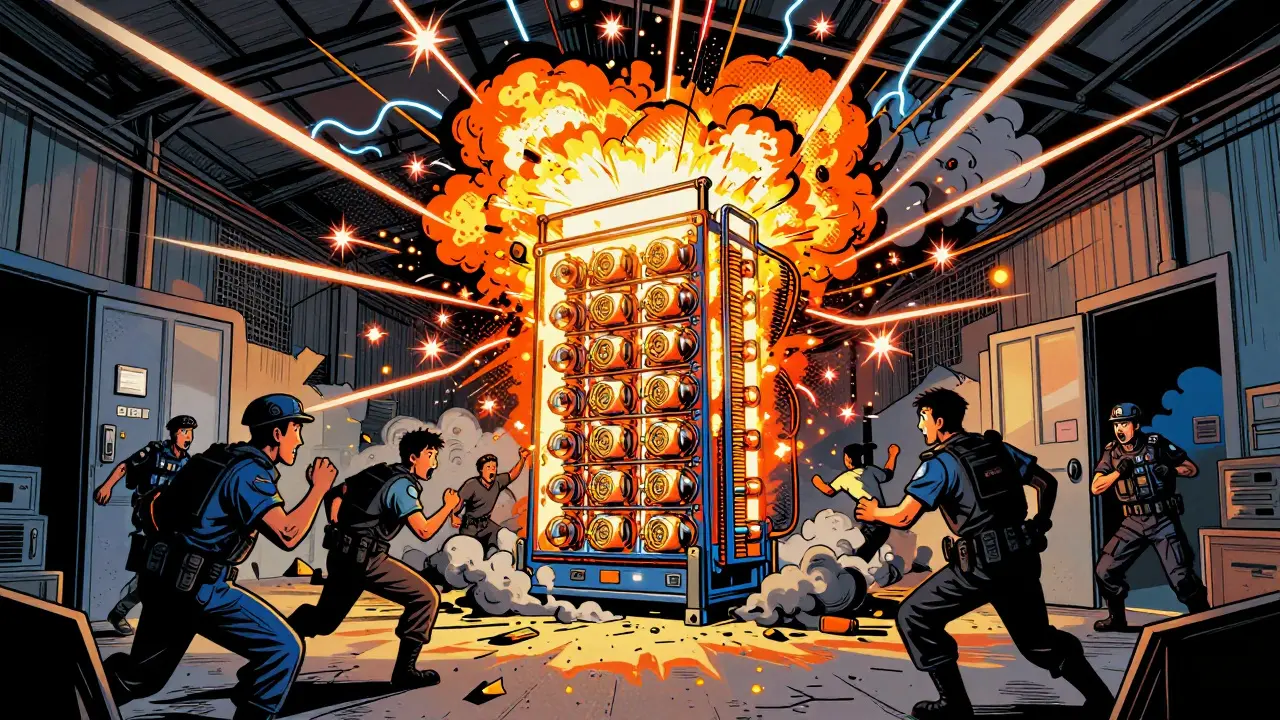
Angola Crypto Mining Ban as of April 2024: What Happened and Why It Matters
Angola banned cryptocurrency mining in April 2024 to protect its fragile power grid. The law carries prison sentences up to 12 years and led to a major international crackdown that seized $37 million in mining equipment.
December 5 2025