
Blockchain Sanctions: What They Are, Who Enforces Them, and How They Affect Crypto
When we talk about blockchain sanctions, government-imposed restrictions on crypto transactions tied to specific wallets, exchanges, or countries. Also known as crypto sanctions, they’re no longer theoretical—they’re active, tracked, and enforced by agencies like the U.S. Treasury’s OFAC, the EU, and the UN. Unlike traditional banking, blockchain doesn’t hide behind layers of anonymity. Every transaction leaves a public trail. If your wallet interacts with a blacklisted address—even once—you could be flagged.
These sanctions don’t just target rogue states. They hit exchanges, mixers, and even individuals who unknowingly receive funds from sanctioned entities. In 2023, the U.S. froze over $100 million in crypto tied to North Korean hacking groups. In 2024, the EU added several DeFi protocols to its sanctions list after they were used to launder funds from ransomware attacks. crypto compliance, the process of verifying users and monitoring transactions to avoid violating sanctions is no longer optional. By 2025, 92% of major exchanges require full KYC, and most now use AI tools to scan for flagged addresses in real time. blockchain tracing, the use of on-chain analytics to follow the movement of crypto between wallets is how these rules are enforced. Companies like Chainalysis and Elliptic build the tools governments rely on to trace funds from a hacker’s wallet to a personal exchange account.
And it’s not just about getting caught. It’s about what happens after. If you’re flagged, your funds can be frozen. Your exchange account can be shut down. In extreme cases, like with offshore crypto accounts, you could face fines or criminal charges—even if you didn’t know the money was tainted. Countries like China and Algeria have gone further, banning crypto outright, forcing users into risky peer-to-peer deals. Meanwhile, in El Salvador, where Bitcoin is legal tender, the government itself is now under scrutiny for using public funds to buy crypto, drawing criticism from the IMF. These aren’t isolated events. They’re part of a global shift. AML crypto, anti-money laundering rules applied to digital assets is now the standard, and the rules keep tightening. What you see in the posts below—scams hiding behind fake airdrops, exchanges blocking users by region, wallets getting frozen—are all symptoms of the same system: a world where blockchain, once seen as unshackled, is now tightly regulated. You won’t find a single post here that ignores this reality. Each one shows how sanctions, compliance, and tracing are shaping what’s possible—and what’s dangerous—in crypto today.
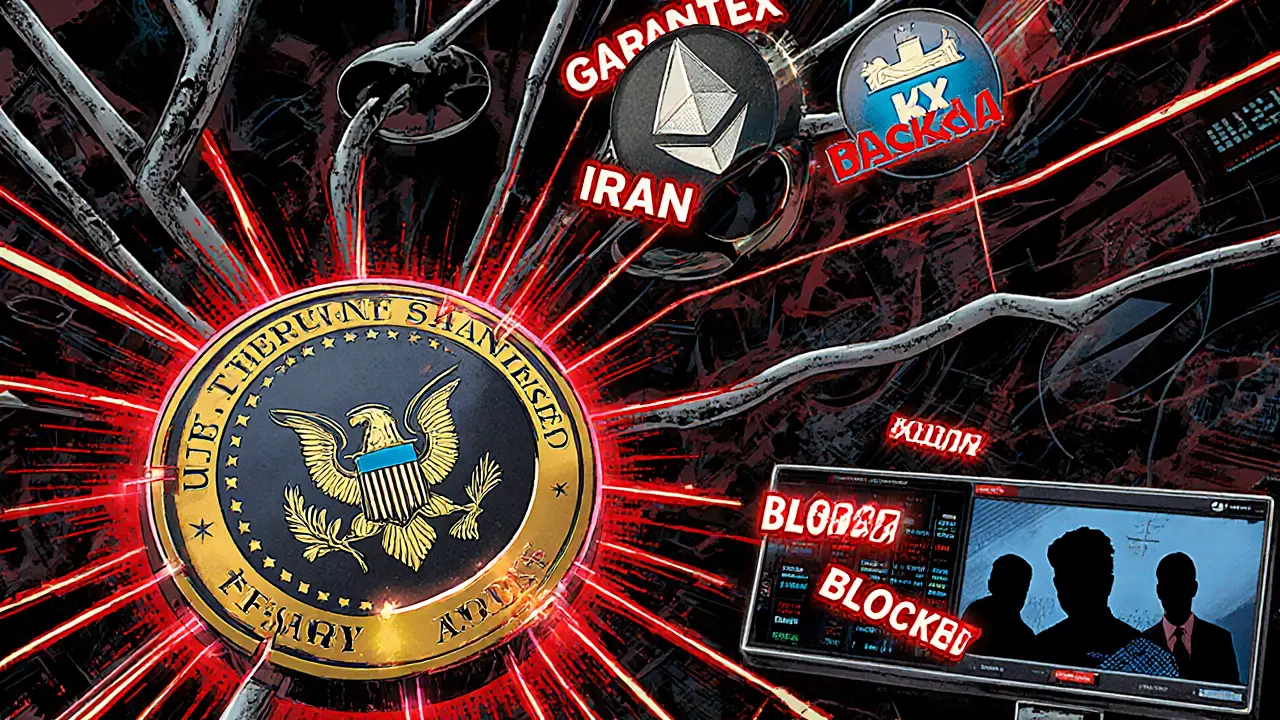
OFAC Cryptocurrency Sanctions and Compliance: What Crypto Businesses Must Do in 2025
OFAC cryptocurrency sanctions apply to all digital asset transactions involving U.S. persons or systems. Learn how crypto businesses must screen wallets, block sanctioned addresses, and build compliance programs to avoid massive fines in 2025.
November 14 2025