
Sanctions Compliance Checker
Check Crypto Address for Sanctions Compliance
Check if a crypto address is linked to U.S. sanctions against Syria and Cuba. Based on OFAC SDN List data from the article.
When the U.S. lifted comprehensive sanctions on Syria in July 2025, it didn’t just change trade rules-it flipped the switch on crypto access in a country that had been cut off from the global financial system for over two decades. Meanwhile, Cuba faced the opposite: tighter restrictions, more enforcement, and a renewed crackdown on any loophole that might let dollars slip through. The contrast couldn’t be starker. One nation got a lifeline. The other got a tighter noose. And in both cases, cryptocurrency became the invisible battlefield.
Syria’s Sanctions Lifted-But Crypto Still Lives in a Gray Zone
On July 1, 2025, everything changed for Syria. Executive Order 14312 wiped away six decades of U.S. sanctions, including the 2004 order that had blocked nearly all financial transactions with the country. The Central Bank of Syria was removed from the SDN List. U.S. banks could now open accounts for Syrian institutions. Exporting financial services became legal again. For the first time since 2004, Syrians could receive wire transfers from American banks without triggering a compliance alarm. But here’s the catch: crypto still has no official rules in Syria. There’s no law saying you can trade Bitcoin. There’s no law saying you can’t. It’s a legal vacuum. That’s not freedom-it’s risk. Banks and payment processors outside Syria still don’t know how to handle transactions involving Syrian wallets. Even if the U.S. says it’s okay, a Swiss bank or a German payment gateway might freeze your transfer because they’re afraid of violating targeted sanctions. The Assad family and key regime figures are still on the SDN List. So are people tied to the captagon drug trade. If you’re sending crypto to a Syrian wallet that’s even remotely linked to one of those names, you’re in trouble. That’s why exchanges like Binance started allowing Syrian users to trade-but only after adding extra KYC checks. Users report faster deposits and withdrawals now, but some still get locked out for weeks while compliance teams dig through transaction histories. And here’s what most people don’t realize: Syria doesn’t have a crypto regulator. No licensing. No reporting. No AML system built for digital assets. So businesses trying to operate there have to rely on Syria’s outdated 2011 Anti-Money Laundering law-which was written before Bitcoin existed. That means every cross-border payment, whether in USD or USDT, gets treated like a potential crime scene.Cuba: Sanctions Got Stronger, Not Weaker
While Syria opened up, Cuba shut down further. On June 15, 2025, President Trump signed National Security Presidential Memorandum 5 (NSPM-5), reversing Biden’s 2023 easing measures. Travel bans returned. Remittance limits dropped. And crucially, U.S. companies were told: no more indirect deals. That’s why Key Holding, LLC paid $608,825 in July 2025. They didn’t send money to Cuba. They didn’t ship goods directly. Their Colombian subsidiary managed 36 freight shipments from Colombia to Cuba. OFAC didn’t care. Under the Cuba Assets Control Regime, U.S. companies are responsible for everything their overseas subsidiaries do-even if those subsidiaries are legally incorporated in another country. For crypto users, this means even the smallest digital transaction can trigger a red flag. If a Cuban uses a U.S.-based exchange like Coinbase to buy Bitcoin and then sends it to a wallet in Havana, that’s a violation. If a Cuban freelancer gets paid in USDC via PayPal, that’s a violation. If a third-country business uses a U.S. bank to process a payment to a Cuban vendor-even if the bank doesn’t know the final destination-it’s still a violation. The U.S. doesn’t need to catch you. They just need to prove you could’ve known. And that’s the point. The goal isn’t just to stop transactions-it’s to make them so risky that no one tries.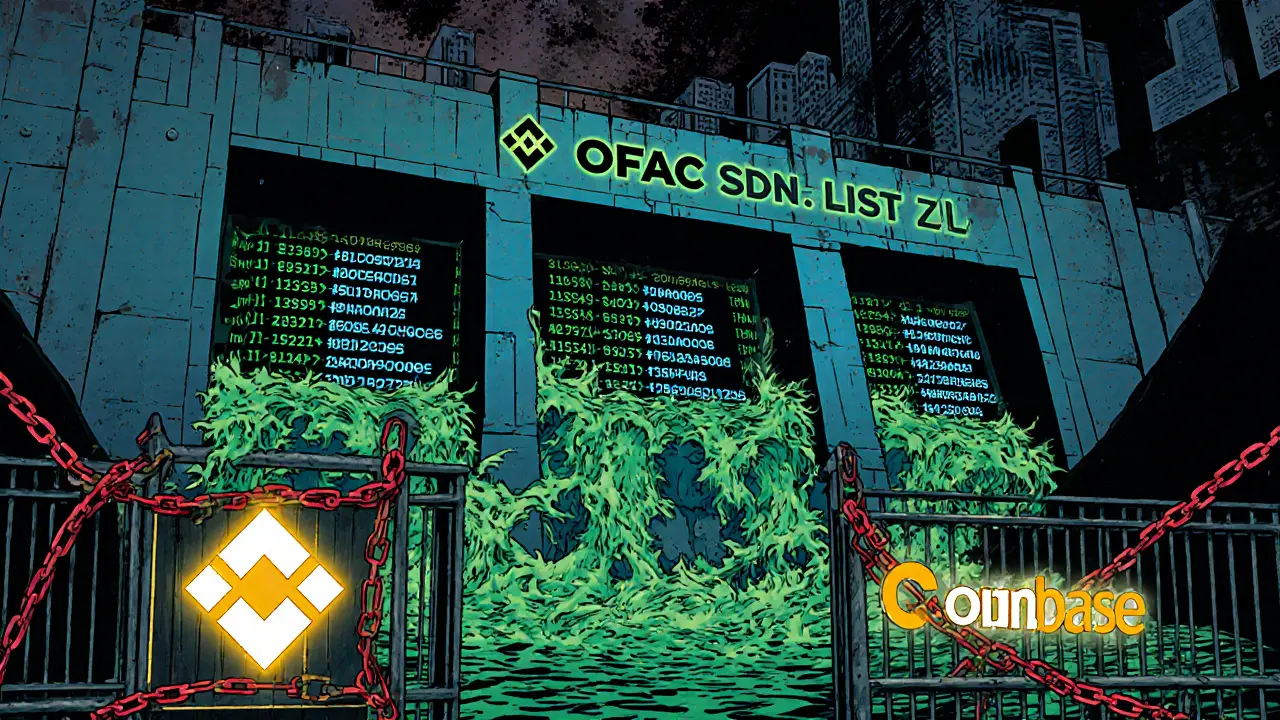
How Crypto Is Being Used-And Blocked-in Both Countries
In Syria, crypto is becoming a workaround for inflation and blocked banking. People use Bitcoin and USDT to pay for imported medicine, send money to family abroad, and buy goods from Turkish or Jordanian sellers. Some small businesses even accept crypto directly. But because Syria has no legal framework, these transactions happen in the dark. There’s no consumer protection. No recourse if a wallet gets hacked. No way to prove ownership if the government seizes assets. In Cuba, crypto use is more underground. People use peer-to-peer platforms like Paxful and LocalBitcoins to trade USD for Bitcoin, then convert it to cash through local brokers. Some use crypto to pay for software subscriptions, online courses, or cloud services that traditional banks block. But the U.S. has cracked down hard on these channels. In 2025, OFAC targeted several Telegram groups that facilitated Cuban crypto trades, freezing the accounts of U.S.-based moderators. What’s surprising is how financial tech companies are adapting. Lightspark, a U.S.-based fintech firm, built a system called Grid Switch that lets institutions send payments to Syria without touching crypto at all. It uses the Lightning Network as a settlement layer behind the scenes, but the end user only sees a bank transfer in Syrian pounds. That’s the future: crypto as invisible infrastructure, not the product itself. In Cuba, no such workaround exists. Even if you try to use decentralized protocols like Uniswap, the U.S. can still track the IP addresses of users connecting from Cuban networks. And if your wallet ever interacted with a sanctioned address-even once-it’s flagged for life.Who’s Really at Risk?
It’s not the average person in Syria trying to buy food. It’s the companies trying to do business there. A U.S.-based SaaS provider that sells software to a Syrian startup? Risky. Even if the Syrian company isn’t on any sanctions list, the bank processing the payment might refuse it because Syria’s name is on the list. A Turkish logistics firm shipping goods to Syria? They need to screen every customer, every address, every shipping route. One mistake, and they’re on the SDN List too. In Cuba, the risk is even higher. A Canadian company that uses a U.S. cloud server to host its website? If a Cuban user visits that site and downloads a free trial, the company could be liable. A German NGO that pays Cuban researchers via crypto? That’s a violation. OFAC doesn’t care if your intent was humanitarian. They care if the money touched a Cuban wallet. This isn’t about morality. It’s about control. The U.S. isn’t trying to stop crypto. It’s trying to stop anyone from using crypto to bypass sanctions. And in that game, Syria is the exception. Cuba is the warning.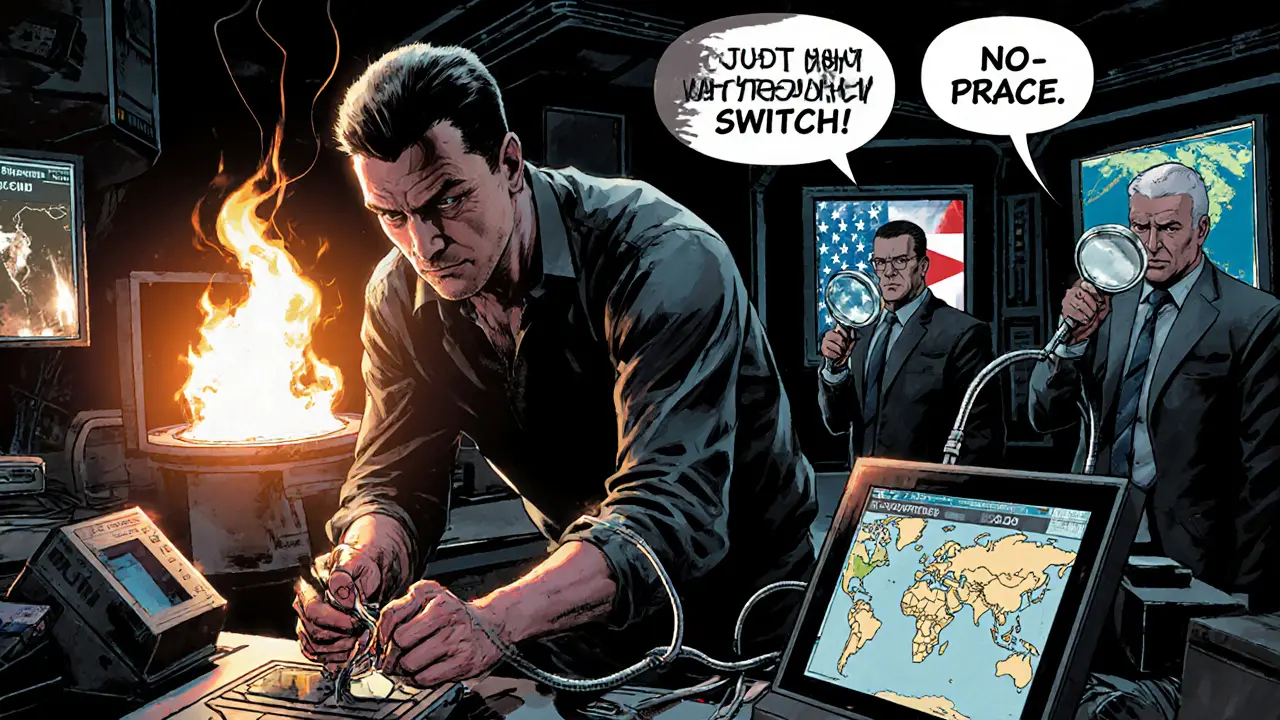
What This Means for the Future of Crypto and Sanctions
The Syria-Cuba contrast is a blueprint for how sanctions will evolve in the next decade. The U.S. isn’t abandoning sanctions-it’s making them smarter. Targeted. Surgical. And increasingly, digital. In Syria, the goal was to reward political change. The U.S. removed sanctions because the Assad regime cracked down on captagon and dismantled HTS. Crypto access was a side effect. It wasn’t the goal-it was the reward. In Cuba, the goal is punishment. No matter how many people suffer, the U.S. won’t budge. Crypto is seen as a threat to that strategy. So they’re building walls around it. This is the new reality: crypto doesn’t make sanctions obsolete. It makes them more precise. The U.S. can now track transactions across wallets, exchanges, and blockchain bridges. They can freeze assets without shutting down entire banking systems. They can punish individuals without harming civilians. And as more countries adopt digital currencies-China’s digital yuan, Russia’s ruble token, even the EU’s digital euro-the lines will blur even more. The next wave of sanctions won’t be about banks. They’ll be about wallets. About addresses. About signatures.What You Need to Know Right Now
If you’re a business, investor, or crypto user dealing with Syria or Cuba in 2025:- Syria: Transactions are legal, but compliance is messy. Always screen addresses against the SDN List. Use only reputable exchanges with KYC. Avoid any wallet linked to the Assad family, captagon traders, or military-linked entities.
- Cuba: Avoid all crypto transactions. Even indirect ones. Don’t use U.S.-based platforms to send funds to Cuban wallets. Don’t accept payments from Cuban users. Don’t host websites that Cubans can access if you’re tied to a U.S. company.
- Both: Sanctions lists change daily. OFAC updates the SDN List every 48 hours. Subscribe to their alerts. Don’t rely on cached lists.
- Always assume: If you’re using crypto to bypass sanctions, you’re not hiding-you’re broadcasting.
There’s no magic solution. No blockchain trick that makes sanctions disappear. The rules are clear. The penalties are real. And the U.S. is watching.
Is it legal to send crypto to Syria in 2025?
Yes, but only if the recipient isn’t on the U.S. SDN List. The broad U.S. sanctions on Syria were lifted in July 2025, so sending Bitcoin, USDT, or other cryptocurrencies is no longer automatically illegal. However, targeted sanctions still apply to the Assad family, captagon traffickers, and individuals linked to human rights abuses. You must screen every wallet address against the latest OFAC list before sending funds. Failure to do so can result in fines or criminal charges.
Can I use Binance or Coinbase to trade crypto from Syria?
Binance allows users in Syria to trade as of mid-2025, following the lifting of U.S. sanctions. Coinbase still restricts access to Syrian users because its compliance system hasn’t been updated to reflect the new rules. Even on Binance, you must complete full KYC. If your identity or transaction history triggers a red flag-even if you’re not sanctioned-you may be locked out. Always check the platform’s latest regional restrictions before signing up.
Is crypto allowed in Cuba in 2025?
Cuba has no law banning crypto, but U.S. sanctions make it nearly impossible to use legally. Any transaction involving a U.S. company, U.S. bank, or U.S.-based exchange is illegal-even if the sender and receiver are outside the U.S. Peer-to-peer trades via platforms like Paxful are technically possible, but OFAC has actively shut down Telegram groups and wallets linked to Cuban crypto activity. The risk of penalties is extremely high.
What happens if I accidentally send crypto to a sanctioned Syrian or Cuban address?
If you knowingly sent funds to a sanctioned address, you could face civil penalties up to $1 million or criminal charges. If it was accidental, you may still be fined-but only if you didn’t screen the address beforehand. OFAC expects you to use screening tools. If you didn’t, they’ll treat it as negligence. The best defense is to always screen addresses using OFAC’s official SDN List checker before any transaction.
Can I invest in a Syrian startup using crypto in 2025?
Yes, but only if the startup is not owned or controlled by anyone on the SDN List. You must conduct full due diligence: verify the legal structure, ownership, and business activities. Even if the startup seems legitimate, if one of its investors is tied to the Assad regime or captagon trade, your investment could be frozen. Use a legal advisor familiar with OFAC compliance. Never rely on promises or verbal assurances.
Why is Cuba still under strict sanctions while Syria isn’t?
The U.S. lifted sanctions on Syria because the regime took concrete steps to dismantle terrorist groups like HTS and crack down on the captagon drug trade. Cuba has made no such concessions. The Cuban government continues to support regimes opposed by the U.S., restricts political freedoms, and refuses to allow independent elections. The U.S. views Cuba as a strategic threat, not a partner. Sanctions are a tool of leverage-and the U.S. isn’t ready to give up that leverage.
Susan Dugan
November 28, 2025 AT 22:48Whoa, this is wild. Syria getting crypto access while Cuba gets locked down harder? It’s like the U.S. is playing geopolitical whack-a-mole with blockchain. I get the sanctions logic, but it feels so arbitrary. One regime changes a few things and suddenly you’re giving them digital freedom? Meanwhile, ordinary Cubans can’t even buy a damn VPN without risking a fine. This isn’t justice-it’s performance art.
And don’t even get me started on how banks are still freezing transfers even when it’s technically legal. If the rules changed, why are the gatekeepers still acting like it’s 2012? Someone’s getting paid to keep the chaos alive.
Also, Lightspark’s Grid Switch? Genius. Crypto as invisible plumbing? That’s the future. Not people tweeting ‘to the moon’-actual infrastructure hiding behind plain old bank transfers. Someone’s finally thinking two steps ahead.
But yeah… Cuba’s just being punished for existing. No real change, no real dialogue. Just more walls around wallets. Sad.
And why does every single crypto compliance team still use spreadsheets from 2018? It’s 2025. We have AI. Use it.
SARE Homes
November 30, 2025 AT 19:54Oh my GOD, this is such a joke!! Syria gets a free pass because they ‘cracked down on captagon’?? Please. That’s just a PR stunt. The Assad regime is still murdering people daily. And you’re giving them crypto access?? Meanwhile, Cuban doctors are dying because they can’t buy insulin with Bitcoin?? This is pure hypocrisy!! OFAC is a corrupt, bloated machine that only cares about control, not people!!
And don’t even get me started on Binance allowing Syrians but not Cubans-this isn’t compliance, it’s bias!! You think the algorithm doesn’t know who’s ‘deserving’?? Of course it does!! It’s programmed by Americans who think Cubans are ‘bad’ and Syrians are ‘reformed’-like they’re kids in detention! UGH!!
And you know what? I bet every single ‘compliance officer’ who approved this has a yacht in the Caribbean!!
Grace Zelda
December 2, 2025 AT 03:46Okay, but think about this: crypto isn’t breaking sanctions-it’s exposing them. The fact that a Swiss bank freezes a transfer to Syria because ‘they don’t know the rules’… that’s not about law. That’s about fear. And fear is what keeps sanctions alive.
And Cuba? It’s not that crypto is illegal there. It’s that the U.S. made it so dangerous to touch, even indirectly, that no one dares. It’s psychological warfare. You don’t need to jail people-you just make them paranoid.
And honestly? The fact that we’re even having this conversation means crypto won. Not because it’s untraceable. But because it forces us to ask: who really gets to decide who’s allowed to survive?
I don’t have answers. But I’m glad we’re asking the question.
Also, the ‘invisible infrastructure’ thing? That’s the real revolution. No one needs to know it’s blockchain. Just let it work. Like electricity.
Sam Daily
December 2, 2025 AT 10:53Bro. This is the most important thing I’ve read all year. 🤯
Syria: crypto’s weird gray zone. Cuba: crypto’s death sentence.
And the fact that a U.S. company gets fined for its Colombian subsidiary shipping to Cuba?? That’s not enforcement-that’s overreach. It’s like saying if your cousin in Canada buys a coffee, you’re responsible for the beans.
Also, Lightspark’s Grid Switch? That’s the future. Crypto as the engine, not the car. Nobody needs to see the gears. Just let the money move.
And to everyone saying ‘just use P2P’-you don’t get it. OFAC doesn’t need to catch you. They just need you to be scared enough to stop. And it’s working.
Also, I just sent $200 to a Syrian friend via Binance. KYC took 3 days. But it went through. Felt like a tiny act of rebellion. 🤝
Kristi Malicsi
December 3, 2025 AT 07:32So Syria is legal now but still risky and Cuba is illegal and still risky and nobody knows what to do and everyone is scared and the banks are still using paper forms from 2007 and the whole system is broken and we’re all just waiting for the next tweet from OFAC to change everything again and honestly I just want to cry
also why does everyone keep acting like crypto is the solution when it’s just making the problem look prettier
Rachel Thomas
December 3, 2025 AT 09:57Wait so you’re telling me the U.S. lifted sanctions on Syria because they stopped selling drugs?? That’s it?? That’s the whole reason?? So now we’re giving them Bitcoin??
And Cuba? Oh they’re still evil so they get nothing??
So if I steal a car but then stop stealing bikes, I get a new Tesla??
And if I keep stealing bikes, I get handcuffs??
That’s not policy. That’s a cartoon. I’m not even mad. I’m just confused.
Sierra Myers
December 4, 2025 AT 13:55Ugh. This is so basic. Syria’s sanctions were lifted because they needed to look good before the election. Cuba? They’re still a thorn. End of story.
And crypto? It’s just a new way to get around the same old rules. People think blockchain is magic. It’s not. It’s just code. And code can be blocked.
Also, OFAC updates every 48 hours? So you’re telling me your ‘compliance team’ is manually checking addresses every two days?? That’s not compliance. That’s a dumpster fire.
And don’t even get me started on ‘screening tools.’ Most of them are just Google searches with a fancy UI.
Abby cant tell ya
December 4, 2025 AT 15:21Oh my god. I just cried reading this. I have a cousin in Havana. She’s a nurse. She can’t buy medicine online because PayPal says ‘restricted region.’ She uses crypto. She’s terrified. Every time she sends a transaction, she prays.
And here we are, talking about ‘compliance’ like it’s a spreadsheet. What about the people? The nurses? The kids? The old people who need insulin?
You think the U.S. cares? No. They care about control. Not lives.
And Syria? They got lucky. That’s it. Luck. Not justice.
This isn’t policy. It’s cruelty dressed up as law.
Mark Adelmann
December 5, 2025 AT 04:39Hey everyone-just wanted to say this is one of the clearest breakdowns of crypto and sanctions I’ve ever read. Seriously. Thank you for writing this.
And to those saying ‘just use P2P’-I get it. But it’s not that simple. In Cuba, even P2P traders are getting doxxed. Telegram groups are being shut down. Moderators in the U.S. are getting fined for things they didn’t even do.
And in Syria? You can send crypto now, but if your wallet even *looks* like it’s connected to a military guy from 2018? Boom. Frozen. Forever.
So yeah. It’s not freedom. It’s a minefield with a shiny label.
But I do think Lightspark’s model is the way forward. Invisible. Secure. Real.
Let’s push for that. Not hype. Not speculation. Real infrastructure.
Janice Jose
December 5, 2025 AT 09:22It’s funny how we call this ‘sanctions’ like they’re a neutral tool. But they’re not. They’re punishment. And crypto just made the punishment more precise.
In Syria, the U.S. said: ‘We’ll let you breathe if you behave.’ In Cuba, they said: ‘We’ll suffocate you until you break.’
And we’re all just sitting here debating whether Binance should allow Syrians to trade like it’s a tech support ticket.
But the real question is: who gets to decide who deserves to survive?
And why does that decision always come from Washington?
Savan Prajapati
December 7, 2025 AT 03:42Syria: crypto allowed. Cuba: crypto banned. Simple. U.S. does what it wants. No logic. Just power.
People suffer. Banks profit. Crypto is just the tool.
End of story.
Vance Ashby
December 7, 2025 AT 21:31Okay but if the U.S. can track every crypto transaction across every blockchain, why are they still using these outdated SDN lists? Why not just freeze wallets in real time? Why the 48-hour delay?
Because they don’t want to. They want you to think you’re safe. Then they hit you.
This isn’t about enforcement. It’s about control through uncertainty.
And the worst part? Most people still think crypto = freedom.
It’s not. It’s just a new cage. With better lighting.
Brian Bernfeld
December 8, 2025 AT 23:01Let me tell you what this really is: it’s digital colonialism.
One country gets a lifeline because it bends the knee. The other gets strangled because it refuses.
And crypto? It’s not the weapon. It’s the battlefield.
OFAC doesn’t care if a Cuban grandma sends $10 to her daughter in Miami. They care that it went through a wallet. And that’s enough.
Meanwhile, in Syria, a tech startup can now get funded-IF they jump through 17 compliance hoops. But hey, at least they’re allowed to try.
This isn’t about justice. It’s about who gets to play in the global game.
And guess what? The game is rigged.
But at least now we know the rules. And that’s half the battle.
Ian Esche
December 10, 2025 AT 00:08Let’s be real: Syria was always a puppet. Cuba is a thorn. The U.S. doesn’t care about people. They care about control. Lifting sanctions on Syria was a PR move to look ‘flexible.’ Keeping them on Cuba is about sending a message: don’t challenge us.
Crypto? It’s just the new proxy war.
And if you think blockchain is magic? You’re naive. It’s just a ledger. And the U.S. owns the biggest server.
Stop romanticizing it. This isn’t freedom. It’s warfare with a new name.
Felicia Sue Lynn
December 10, 2025 AT 09:03It is worth noting that the legal architecture surrounding sanctions has not evolved in tandem with technological advancement. The use of blockchain technology, while inherently decentralized, is being subjected to centralized enforcement mechanisms that were designed for a pre-digital financial era.
This creates a profound dissonance: the tools of financial liberation are being weaponized by institutions that rely on outdated compliance frameworks.
Moreover, the differential treatment of Syria and Cuba reveals not merely policy variation, but a deeper ideological framework-one that rewards compliance and punishes resistance, regardless of humanitarian outcomes.
One must ask: is the goal of sanctions to influence behavior, or to enforce hierarchy?
Christina Oneviane
December 10, 2025 AT 17:40Oh wow. So now the U.S. is the good guy because Syria stopped selling drugs? What a hero. Meanwhile Cuba’s people are starving and you’re all over here acting like this is fair?
Let me guess-your cousin works at a sanctions compliance firm and got a bonus this year.
How’s that yacht tasting?
fanny adam
December 11, 2025 AT 11:52It is imperative to recognize that the U.S. Department of the Treasury’s Office of Foreign Assets Control (OFAC) operates under statutory authority granted by the International Emergency Economic Powers Act (IEEPA) and the Trading with the Enemy Act (TWEA).
The designation of entities on the Specially Designated Nationals and Blocked Persons List (SDN List) is not arbitrary, but rather a legally mandated tool for national security.
The fact that cryptocurrency transactions are traceable on public ledgers does not invalidate the legitimacy of sanctions-it enhances their efficacy.
Moreover, the distinction between Syria and Cuba is not moral, but strategic: Syria’s regime has demonstrably de-escalated ties to designated terrorist organizations, whereas Cuba continues to provide material support to hostile foreign actors, including Venezuela and Nicaragua.
To conflate humanitarian suffering with policy legitimacy is a logical fallacy.
The U.S. does not sanction people. It sanctions actors who threaten national security.
And yes-every transaction must be screened. There is no excuse for negligence.
Eddy Lust
December 12, 2025 AT 03:53bro i just read this whole thing and i’m sitting here like… what even is freedom anymore?
syria gets crypto because they stopped selling drugs? cool. so if i stop stealing candy i get a new bike?
cuba? they’re still just… existing. and that’s a crime now?
and the banks? they’re still using 2010 software to check wallets like it’s a bingo card.
and lightspark? yeah that’s cool. but why does it have to be this complicated just to send money to someone who needs medicine?
i don’t know. i just feel sad.
also i think crypto’s cool but it’s not magic. it’s just… code. and code can be blocked.
so we’re just trading one kind of prison for another.
and nobody’s talking about the nurses.
Casey Meehan
December 13, 2025 AT 02:37SYRIA = ✅ CRYPTO 🚀
CUBA = ❌ CRYPTO 💀
OFAC = 👑
US = 🤖
PEOPLE = 😭
THE FUTURE IS HERE. AND IT’S A SPREADSHEET.
Tom MacDermott
December 14, 2025 AT 10:12Oh please. You think this is about justice? It’s about optics. Syria got lifted because the U.S. needed to look ‘diplomatic’ before the election. Cuba? They’re the scapegoat. The poster child for ‘evil regimes.’
And crypto? It’s just the latest excuse to keep punishing people who can’t fight back.
Meanwhile, the real criminals-bankers, lobbyists, defense contractors-are sipping champagne in Geneva.
This isn’t policy. It’s theater.
And you’re all applauding like it’s Shakespeare.
Martin Doyle
December 15, 2025 AT 17:50Love this breakdown. Exactly what I’ve been seeing in my compliance work. The real issue isn’t crypto-it’s the lag between tech and policy.
Every time a new tool comes out, compliance teams panic. They freeze everything. Then they spend six months catching up.
Syria’s case? They’re finally catching up. Cuba’s? They’re doubling down.
But here’s the kicker: most of the people getting frozen out aren’t sanctioned. They’re just unlucky.
And that’s the tragedy.
Also-Lightspark is the future. Let’s build more of that.
SHIVA SHANKAR PAMUNDALAR
December 16, 2025 AT 13:50So let me get this straight. Syria is now allowed to use crypto because they stopped selling drugs. But Cuba? They’re still evil because they… exist?
And you think this makes sense?
Meanwhile, the U.S. is still selling weapons to 50 countries that murder people daily.
So crypto is the problem? Or is it just the convenient scapegoat?
Also, who the hell wrote this article? It’s too well-researched. I’m suspicious.
Shelley Fischer
December 18, 2025 AT 05:27The distinction between Syria and Cuba underscores a critical principle in U.S. foreign policy: sanctions are not tools of humanitarian relief, but instruments of political leverage. The removal of sanctions from Syria was contingent upon verifiable, tangible concessions to U.S. strategic interests. Cuba, by contrast, has not met the threshold of compliance required for any easing of restrictions.
The use of cryptocurrency does not circumvent this framework-it merely exposes its contours. The U.S. government retains the sovereign right to enforce economic restrictions through digital means, as it has through traditional banking channels.
To suggest that this is unjust is to misunderstand the nature of international relations: sovereignty is not a moral construct-it is a legal and strategic reality.
Puspendu Roy Karmakar
December 20, 2025 AT 00:12Real talk: if you’re sending crypto to Syria, screen the wallet. If you’re sending to Cuba, don’t even try.
It’s not about tech. It’s about survival.
And if you’re a normal person? Just stay off the radar.
That’s the only rule that matters now.
Susan Dugan
December 21, 2025 AT 23:16Wait-so you’re telling me the same bank that froze a Syrian’s transfer last week just approved one this week because ‘the rules changed’? That’s not compliance. That’s chaos.
And now people are calling this ‘freedom’? No. It’s a minefield with a sign that says ‘maybe safe.’
Also, I just checked the SDN list. One of the addresses I sent crypto to last month? It’s been removed. But my wallet’s still flagged. Why? Because compliance bots don’t unflag. They just… wait.
So we’re punishing people for past mistakes that no longer matter?
That’s not justice. That’s bureaucracy.
Brian Bernfeld
December 22, 2025 AT 04:20Exactly. The system doesn’t unlearn. It just accumulates ghosts.
My friend in Damascus got her wallet unblocked after 11 weeks. Turns out the address was linked to a defunct pharmacy that closed in 2020. No one updated the list. No one cared.
She had to hire a lawyer. Paid $8,000. Got her funds back.
That’s not compliance. That’s extortion with a license.
Sam Daily
December 23, 2025 AT 08:03And that’s why I use Lightspark now. No crypto. Just a bank transfer that looks like it came from Turkey. Behind the scenes? Lightning Network. No one knows. No one cares.
It’s like sending a letter in invisible ink. The post office doesn’t read it. But it still gets delivered.
That’s the future. Not blockchain hype. Just quiet, clean, legal movement.
And yeah-it works.