
Black Market Pricing in Crypto
When talking about Black Market Pricing, the unofficial rates at which crypto assets are bought or sold outside regulated exchanges. Also known as illegal crypto pricing, it emerges when governments clamp down on trading, when sanctions hit a region, or when mainstream platforms impose heavy fees. Underground Crypto Market, a hidden network of peer‑to‑peer traders, mixers and KYC‑free platforms fuels this phenomenon by providing the venues where these off‑book prices form. The relationship is simple: the more restrictive the official market, the more vibrant the underground market becomes, and the larger the gap between official and black‑market rates. This pricing gap often forces traders to choose between compliance costs and the risk of dealing in a gray zone.
Why Black Market Pricing Matters
Understanding black market pricing isn’t just about curiosity; it directly impacts Crypto Tax, the legal obligations surrounding gains, losses and reporting requirements in various jurisdictions. When a trader reports earnings based on official exchange rates but actually realized a higher price on the black market, tax authorities may see a discrepancy that can trigger audits. In countries like South Korea, where crypto tax rates range from 5 % to 45 %, that hidden premium can mean paying significantly more than intended or, conversely, under‑reporting income. Moreover, accessing these hidden markets often requires tools like VPNs for Crypto, encrypted connections that mask a user’s IP address to bypass regional restrictions. Using a VPN in places such as China not only skirts local bans but also adds legal risk; recent regulations classify unauthorized crypto activity as a punishable offense. The combination of VPN usage and black‑market trades creates a double‑edged sword: it offers anonymity but also raises the stakes if caught. Finally, the allure of better prices attracts scammers. The rise of crypto ATM fraud, airdrop phishing and fake exchange platforms all exploit black‑market dynamics. When a user believes they’re getting a discount, they’re often handed a malicious contract or a counterfeit token, leading to losses that can total millions. Recognizing these threats helps traders weigh the true cost of a “cheaper” deal against potential legal and financial fallout.
Below you’ll find a curated set of articles that break down each of these angles—tax implications, underground market mechanics, VPN considerations, and scam avoidance—so you can see the full picture before you decide whether to step into the black market arena.
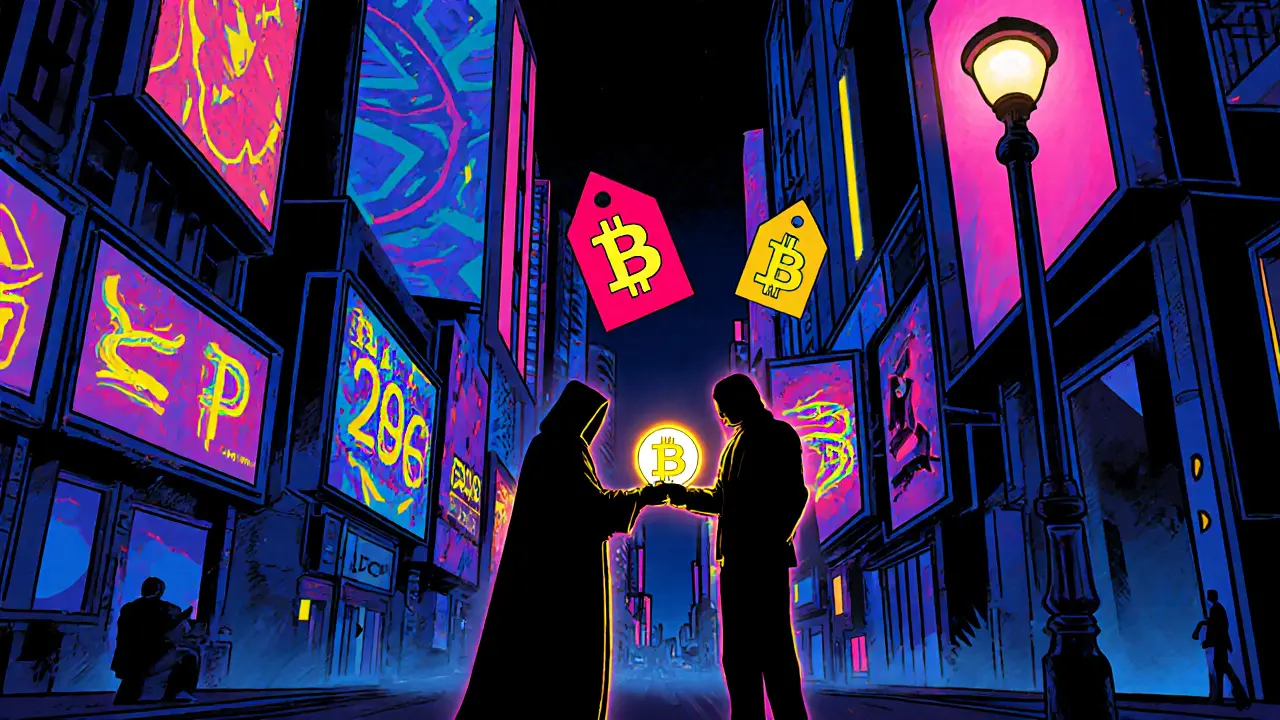
Underground Crypto Market Premiums in Banned Jurisdictions: Risks, Drivers, and What to Watch
Explore why crypto bans create hidden markets, how risk and regulation cause price premiums, and what the data shows for China, Afghanistan, Egypt and more.
October 21 2025