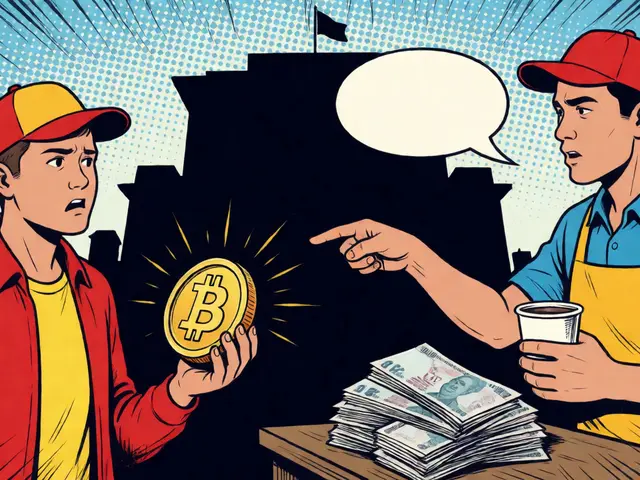
Imagine buying your morning coffee in Istanbul with Bitcoin. You can’t. In fact, you legally shouldn’t even try to use digital assets for a taxi ride or a grocery run. Since April 2021, the Central Bank of Turkey (TCMB) has strictly prohibited using cryptocurrencies as a payment method. Yet, if you want to buy Bitcoin, hold it, or sell it for profit, that’s perfectly legal. This creates a unique paradox in one of the world’s most active crypto markets. Turkey ranks eleventh globally for adoption, driven by citizens seeking refuge from the volatile Turkish lira. But how do these restrictions actually work? And what does the new regulatory framework mean for traders in 2026?
The Dual Approach: Legal Trading, Banned Payments
Turkey’s strategy isn’t about banning crypto; it’s about separating investment from currency. The TCMB’s ruling explicitly states that while you own the asset, you cannot use it to settle debts or pay for goods and services directly. This distinction protects the Turkish lira’s status as the sole legal tender. If a merchant accepts Bitcoin directly, they risk fines. However, converting Bitcoin to lira on an exchange and then paying is standard practice. This setup forces a two-step process for every transaction, adding friction but keeping the national currency dominant.
Why did they do this? It comes down to financial stability. The Turkish lira has faced significant depreciation in recent years. Allowing widespread crypto payments could accelerate capital flight, where people dump lira for stablecoins or Bitcoin too quickly. By restricting payments, the government ensures that the lira remains the primary medium of exchange, even if people treat crypto as a savings account.
New Licensing Rules for Exchanges
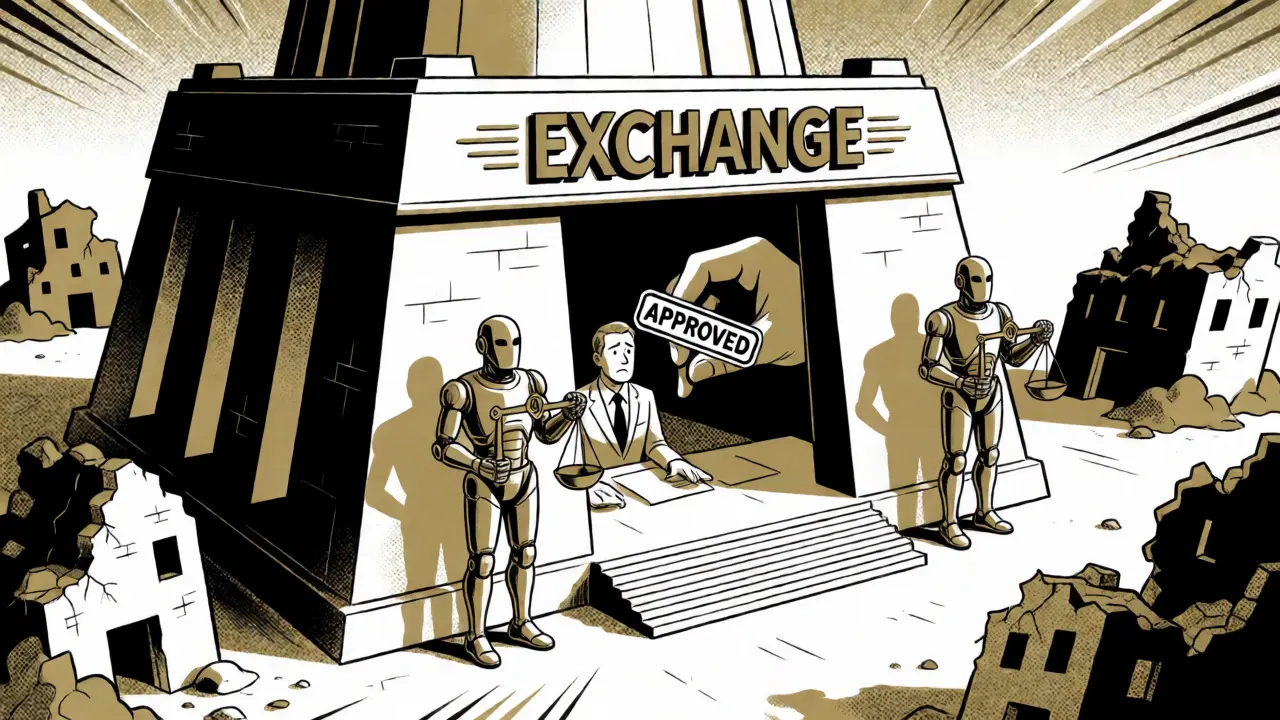
If you’re running a crypto exchange in Turkey, the game changed significantly in July 2024. The Capital Markets Board (CMB) introduced strict licensing requirements under the 'Law on Amendments to the Capital Markets Law.' You can’t just set up shop anymore. To operate, exchanges need a minimum capital of 150 million Turkish lira (roughly $4.1 million). Custodians, who hold your coins for you, need even more-500 million lira ($13.7 million).
These high barriers are designed to weed out smaller, less secure platforms. The CMB wants only well-capitalized firms handling public money. Alongside capital requirements, the Scientific and Technological Research Council of Türkiye (TÜBİTAK) conducts mandatory tech audits. They check if your security systems can handle real-world threats. Meanwhile, the Financial Crimes Investigation Board (MASAK) enforces anti-money laundering rules. If you’re a trader, you’ll notice stricter KYC checks. Transactions over 15,000 lira now require full identity verification. Unregistered wallets face scrutiny, making privacy harder to maintain.
| Feature | Turkey (Current Framework) | EU (MiCA Framework) |
|---|---|---|
| Payment Use | Prohibited by Central Bank decree | Allowed if regulated |
| Exchange Capital | 150 million TRY (~$4.1M) | Varies by member state, generally lower |
| Custodian Capital | 500 million TRY (~$13.7M) | Lower thresholds typical |
| KYC Threshold | 15,000 TRY | Often €1,000 or similar low limits |
| Regulator | CMB and MASAK | National Competent Authorities + ESMA |
MASAK’s Growing Power
MASAK is no longer just watching; it’s acting. Recent draft legislation aims to give MASAK unprecedented authority to freeze crypto accounts. This aligns Turkey with global Financial Action Task Force (FATF) standards. Why does this matter to you? If MASAK suspects money laundering, they can freeze your funds across banks, payment apps, and exchanges instantly. They can also blacklist specific wallet addresses linked to criminal activity.
This targets "rented accounts," where criminals pay individuals to use their verified profiles for illegal gambling or fraud. If you lend your ID to someone else for quick cash, you might find your entire crypto portfolio frozen. The proposed laws allow MASAK to impose transaction limits and close accounts without lengthy court battles. For legitimate traders, this means cleaner markets. For those using informal P2P networks, it raises the stakes significantly.
Impact on Traders and Market Dynamics
So, what does this look like for the average user? Major local exchanges like BTCTurk and Paribu remain popular because they comply with these rules. Smaller platforms have struggled or exited the market. The consolidation favors big players who can afford the compliance costs. For you, this means fewer choices but potentially safer platforms. Your deposits are more likely to be protected, and withdrawal processes are standardized.
However, the ban on direct payments has created a grey market. Many users still prefer peer-to-peer trades to avoid fees or privacy concerns. But with MASAK’s new powers, these informal channels are riskier. If you trade large amounts via WhatsApp groups, you might trigger automated flags. The trend is moving toward formal exchanges. Users report frustration with the inability to spend crypto directly, but most accept it as the cost of doing business in a high-inflation environment.
Taxation and Future Outlook
As of late 2025, profits from crypto trading in Turkey remain untaxed. This is a major draw for investors. However, don’t get comfortable. The Finance Ministry is preparing additional rules. These may include reporting requirements on the source of funds and limits on stablecoin transfers. Stablecoins like USDT are particularly sensitive because they act as dollar substitutes. Regulators worry that excessive stablecoin usage undermines the lira further.
Experts predict that taxation will eventually arrive. When it does, it will likely follow patterns seen in other jurisdictions, possibly taxing gains rather than transactions. For now, the focus is on infrastructure. The government wants a robust, auditable system before they start collecting revenue. If you’re planning long-term investments, keep an eye on legislative updates regarding tax codes. The current zero-tax environment is a temporary advantage.
Practical Tips for Navigating Turkish Crypto Rules
- Use Licensed Exchanges: Stick to platforms registered with the CMB. Check their license status on the official CMB website. Unauthorized sites like PancakeSwap have been blocked, so access via VPN doesn’t guarantee safety.
- Document Everything: Keep records of all transactions. If MASAK asks for proof of source of funds, you need clear trails. Screenshots of bank transfers to/from exchanges are essential.
- Avoid Direct Payments: Never pay a vendor directly in crypto. Convert to lira first. This avoids potential fines for both you and the merchant.
- Watch the 15,000 TRY Limit: Small trades might fly under the radar, but consistent activity above this threshold triggers KYC reviews. Consolidate your trading history to stay compliant.
- Be Careful with Rented Accounts: Do not let others use your verified exchange account. If they engage in illegal activity, your funds are at risk of freezing.
Frequently Asked Questions
Is it illegal to own cryptocurrency in Turkey?
No, owning cryptocurrency is completely legal. The Central Bank of Turkey prohibits its use as a payment method, but holding and trading digital assets for investment purposes is permitted and regulated by the Capital Markets Board.
Can I buy coffee with Bitcoin in Istanbul?
Directly, no. Regulations forbid using crypto to pay for goods and services. You must convert your Bitcoin to Turkish lira through a licensed exchange first, then use the lira to make the purchase.
What are the capital requirements for crypto exchanges in Turkey?
Exchanges must maintain a minimum capital of 150 million Turkish lira, while custodians require 500 million Turkish lira. These high thresholds ensure only financially stable companies operate in the market.
Does Turkey tax cryptocurrency profits?
As of 2026, cryptocurrency profits are generally untaxed in Turkey. However, the government is actively discussing future tax frameworks, so this situation could change with new legislation.
Who regulates cryptocurrency in Turkey?
The Capital Markets Board (CMB) oversees licensing and operational standards for exchanges. The Financial Crimes Investigation Board (MASAK) handles anti-money laundering enforcement and account freezes.