Speed matters when you trade. You want your order filled instantly, without waiting for network congestion or paying exorbitant gas fees that eat into your profits. This is the promise of ViteX, a decentralized cryptocurrency exchange built on the Vite public blockchain. Unlike many competitors, ViteX claims to offer sub-second transaction confirmations with zero gas fees. But does it deliver on these technical promises in real-world trading? Let’s look at the facts, the limitations, and whether this platform fits your specific needs.
How ViteX Works: The Technology Behind the Speed
To understand why ViteX behaves differently from exchanges like Uniswap or Binance, you need to look at its underlying infrastructure. Most decentralized exchanges run on Ethereum or similar blockchains that rely on linear blocks. This creates bottlenecks. When too many people try to trade at once, transactions slow down, and gas prices skyrocket.
ViteX avoids this problem by using a Directed Acyclic Graph (DAG) ledger. Instead of stacking transactions one after another, a DAG allows multiple transactions to happen simultaneously. Combined with an asynchronous architecture, this setup enables the exchange to process orders incredibly fast. In ideal conditions, you can see confirmation times under one second. That is faster than most centralized exchanges, let alone other decentralized platforms.
The platform also handles order matching directly on-chain. This means your buy or sell order isn’t just sitting in a private database owned by a company; it’s recorded on the public ledger. This transparency ensures that no single entity can manipulate the order book behind closed doors. However, this technical advantage comes with a trade-off: complexity. The system requires users to interact with smart contracts, though ViteX has worked hard to hide much of this complexity behind a user-friendly interface.
Fees and Costs: A Competitive Edge?
Let’s talk money. Trading fees are a major factor in deciding where to keep your funds. On traditional centralized exchanges, you might pay between 0.1% and 0.5% per trade. On Ethereum-based DEXs, the base fee might be low, but the gas fees can range from $5 to over $50 during peak hours, making small trades unprofitable.
ViteX charges a flat trading fee of 0.20% for both makers and takers. This rate is competitive within the broader crypto market. More importantly, ViteX eliminates gas fees entirely. Because the Vite blockchain processes transactions so efficiently, users do not need to pay extra network fees to execute trades. For high-frequency traders or those moving smaller amounts of capital, this absence of hidden costs is a significant benefit. It allows for tighter profit margins and more flexible trading strategies compared to platforms where overhead costs are unpredictable.
Trading Pairs and Liquidity: The Main Bottleneck
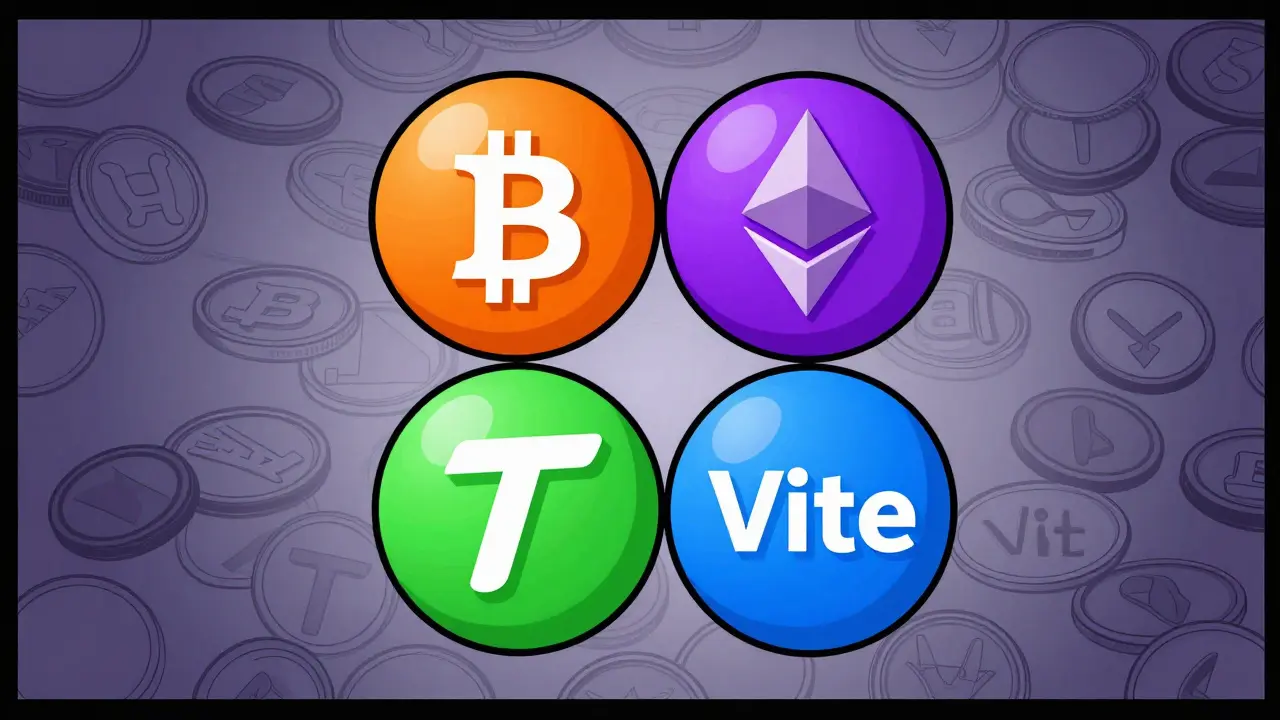
Here is where ViteX shows its biggest weakness. While the speed and fee structure are impressive, the selection of assets is extremely limited. Currently, ViteX supports only four primary trading pairs: VITE, BTC, ETH, and USDT.
If you are looking to trade altcoins, DeFi tokens, or emerging projects, ViteX will not serve you. Major centralized exchanges offer hundreds, sometimes thousands, of trading pairs. Even large decentralized aggregators provide access to a vast ecosystem of tokens. With only four pairs, ViteX restricts your ability to diversify or capitalize on trends outside the top cryptocurrencies.
Liquidity is another concern. Because fewer users trade on a platform with limited pairs, the order books may not be as deep as those on established giants like Binance or Coinbase. Shallow liquidity means larger orders could suffer from slippage, where your execution price differs significantly from the expected price due to insufficient volume at your desired level.
Security and Control: Your Keys, Your Coins
One of the core principles of decentralized finance is self-custody. On ViteX, you maintain control over your private keys. The platform uses locally stored key storage, meaning your sensitive data never leaves your device unless you explicitly authorize a transaction. This reduces the risk of massive hacks targeting a central server, which have plagued exchanges like Mt. Gox or FTX.
However, this security model places responsibility squarely on your shoulders. If you lose your private keys or seed phrase, there is no customer support team to reset your password. There is no "forgot password" button. You must manage your security meticulously. Additionally, while the platform is transparent, it operates without specific regulatory oversight. This lack of regulation offers privacy but removes external protections in case of disputes or technical failures.
| Feature | ViteX (DEX) | Centralized Exchanges (e.g., Binance) |
|---|---|---|
| Custody | Non-custodial (User holds keys) | Custodial (Exchange holds keys) |
| Gas Fees | None | N/A (Internal ledger) |
| Trading Fee | 0.20% | Varies (often 0.1% - 0.5%) |
| Transaction Speed | Under 1 second | Instant (internal) |
| Asset Selection | 4 pairs (VITE, BTC, ETH, USDT) | Hundreds to thousands |
| Regulation | Unregulated | Often regulated (varies by region) |
Earning VX Tokens: The Dividend Model
ViteX introduces a unique incentive mechanism through its native token, VX. Holding VX is not just about speculation; it provides utility. Users who stake a minimum of 10 VX tokens in their exchange account become eligible for dividend rewards. These dividends are distributed automatically via smart contracts based on the trading volume generated on the platform.
This model aligns the interests of the community with the success of the exchange. As more people trade, the value of holding VX potentially increases through regular payouts. You can acquire VX through five methods: trading, staking, market-making, referring new users, or listing new coins. This multi-faceted approach encourages active participation rather than passive holding. However, understanding the staking mechanism and tax implications of dividend income is crucial before committing funds.

User Experience and Support Challenges
For beginners, ViteX aims to simplify the DEX experience. The interface is designed to be intuitive, allowing you to place limit orders easily without navigating complex code. Desktop applications, mobile apps, and web interfaces ensure accessibility across devices. Features like fiat gateway integration and credit card purchase options further lower the barrier to entry.
Yet, the support infrastructure lags behind centralized counterparts. There is no dedicated phone line or instant email support. Users rely primarily on website resources and community channels. If you encounter a technical issue or have questions about a failed transaction, resolution may take longer than on platforms with 24/7 human support teams. This gap can be frustrating, especially for newcomers unfamiliar with blockchain troubleshooting.
Who Should Use ViteX?
ViteX is not a one-size-fits-all solution. It suits specific types of traders perfectly while disappointing others.
- Use ViteX if: You prioritize speed and low costs above all else. You mainly trade Bitcoin, Ethereum, or Tether and want to avoid gas fees. You value self-custody and transparency provided by decentralized protocols.
- Avoid ViteX if: You need to trade a wide variety of altcoins. You require advanced features like margin trading, futures, or stop-loss orders (currently unavailable). You prefer the safety net of regulated entities and responsive customer support.
The platform’s restriction on US investors also limits its global reach. If you reside in the United States, you cannot access ViteX services legally. This geographic limitation stems from ongoing regulatory uncertainties surrounding decentralized finance in the region.
Future Outlook and Development Roadmap
The developers behind ViteX are actively working to address current limitations. Plans include adding market orders and stop-loss functionality, which would make the platform more attractive to sophisticated traders. Expanding the list of supported trading pairs is also a priority, though progress has been gradual.
As the decentralized finance sector matures, competition intensifies. ViteX must continue innovating to retain users who might otherwise migrate to newer DEXs offering broader asset coverage or enhanced yield opportunities. Its reliance on DAG technology remains a strong differentiator, but long-term viability depends on balancing technical excellence with user convenience and regulatory compliance.
Is ViteX safe to use?
ViteX is non-custodial, meaning you hold your own private keys, which reduces the risk of exchange hacks. However, because it is unregulated, you lack external consumer protections. Security depends heavily on your personal management of keys and awareness of phishing risks.
What are the fees on ViteX?
ViteX charges a flat 0.20% fee for both makers and takers. Crucially, there are no gas fees, unlike Ethereum-based exchanges where network costs can vary significantly.
Can I trade altcoins on ViteX?
Currently, no. ViteX only supports four trading pairs: VITE, BTC, ETH, and USDT. It does not offer a wide selection of altcoins or DeFi tokens.
Does ViteX support US users?
No, ViteX restricts access for residents of the United States due to regulatory considerations.
How do I earn VX tokens?
You can earn VX through five methods: trading, staking, market-making, referring friends, or listing new coins. Staking at least 10 VX qualifies you for dividend rewards based on platform trading volume.