
Metaverse Real Estate: What It Is, How It Works, and Where to Invest
When you buy metaverse real estate, a parcel of virtual land owned and traded on a blockchain, typically as an NFT. Also known as virtual land, it’s not a game asset—it’s digital property with real market value, governed by smart contracts, not a company’s terms of service. Unlike in-game items that disappear when servers shut down, metaverse real estate lives on public ledgers like Ethereum or Polygon. You can resell it, rent it out, or build on it—just like physical property, but without zoning laws or property taxes.
People buy it for different reasons. Some treat it like speculative real estate, betting that popular platforms like Decentraland or The Sandbox will grow in users and value. Others use it to host virtual events, art galleries, or branded experiences. A few even rent out their plots to advertisers or game developers. The key is understanding what you’re really owning: not the graphics or the platform, but the NFT token that proves your claim. If the platform shuts down, your NFT still exists—but the land it represents might become useless. That’s why blockchain property, digital assets secured by decentralized ledgers that ensure ownership without intermediaries matters more than the app you view it in.
Not all metaverse real estate is equal. Plots near virtual concert venues or popular landmarks in Decentraland sell for thousands. In The Sandbox, land near big-name brands like Atari or Snoop Dogg’s estate commands premium prices. Meanwhile, remote plots sit unsold for years. This isn’t random—it’s driven by foot traffic, community activity, and platform updates. NFT real estate, digital land tokens that represent ownership rights on blockchain networks can be bought with crypto, traded on marketplaces like OpenSea, and even used as collateral in DeFi loans. But beware: many projects promise high returns but have no active users, no development team, or fake sales data.
There’s no central authority controlling metaverse real estate. No government regulates it. No bank insures it. That’s the freedom—and the risk. If you buy land on a platform that gets abandoned, you still hold the NFT, but it’s just a digital collectible with no utility. That’s why most smart buyers look at platform health: active users, developer updates, and partnerships. The most valuable plots aren’t the biggest—they’re the ones in places people actually go.
Some investors treat it like early internet domain buying: buy now, hope it becomes essential later. Others see it as a new form of digital advertising space. Either way, you’re not buying pixels—you’re buying access, influence, and potential. The market is wild, full of scams and hype, but also full of real opportunities for those who know what to look for. Below, you’ll find real examples of what worked, what failed, and what you need to avoid when navigating this space.
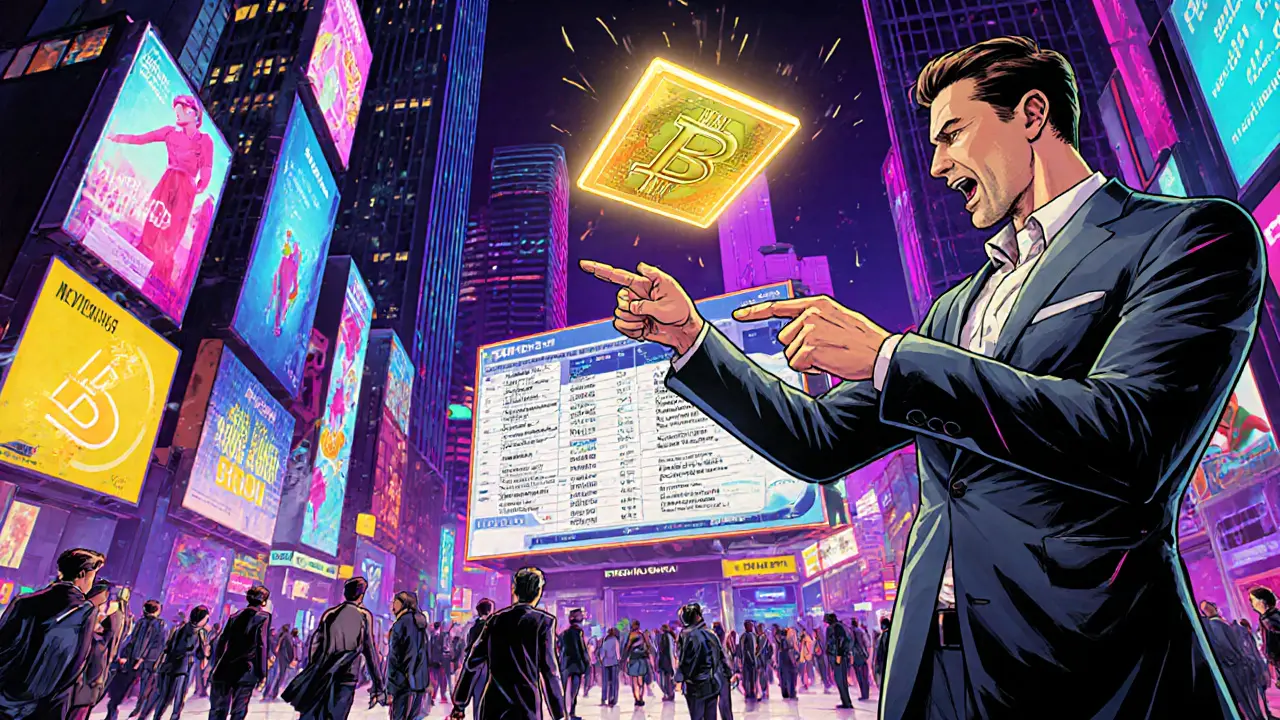
Metaverse Real Estate Investment: How to Buy and Profit from Virtual Land in 2025
Learn how to invest in metaverse real estate in 2025-where to buy, how to make money, which platforms to trust, and the real risks involved. No hype, just facts.
November 30 2025