
Bitcoin Economy: How It Works, Who Controls It, and Why It Matters
When you think of the Bitcoin economy, a decentralized financial system built on blockchain that operates without banks or central authorities. Also known as digital currency ecosystem, it crypto economy, it doesn't just move money—it moves power, laws, and trust. Unlike traditional finance, no government or bank runs it. But that doesn’t mean it’s lawless. In fact, the Bitcoin economy is being shaped every day by regulations, sanctions, and enforcement actions—from OFAC blocking wallets to China banning all crypto activity.
The crypto sanctions, government-imposed restrictions on digital asset transactions involving specific wallets or entities are now a daily reality. If you’re trading Bitcoin or any token linked to a sanctioned address, you could be breaking the law—even if you didn’t know. The same goes for offshore accounts. Blockchain tracing tools now make it nearly impossible to hide transactions, and governments are using AI to track them in real time. That’s why posts here warn about fake airdrops like PNDR or E2P: they’re not just scams, they’re traps that pull you into illegal or risky systems.
The digital asset classification, how the law treats crypto—as property, currency, or something else entirely changes everything. Is Bitcoin money? Is a token a security? The answer affects your taxes, your legal exposure, and even whether you can use it in your country. In Algeria, crypto went underground after a ban. In China, holding it is illegal. In the U.S., the IRS treats it like property. And in Europe, new rules force exchanges to screen every transaction. The Bitcoin economy doesn’t exist in a vacuum—it’s tied to where you live, what tools you use, and who you trust.
You’ll find posts here that cut through the noise. No fluff about moon missions or hype cycles. Just real talk: why some airdrops are scams, how exchanges like Hubi or YEX raise red flags, and what happens when a project like LICO dies with zero trading volume. You’ll learn how KYC rules are forcing users to hand over ID just to buy Bitcoin, how DeFi platforms like PancakeSwap on Linea offer cheaper trades but still carry risk, and why a token like GRAIL has a six-month lockup—not because it’s complicated, but because it’s designed for serious users.
This isn’t about getting rich quick. It’s about understanding the system you’re stepping into. The Bitcoin economy rewards those who know the rules—not the ones who chase the next fake airdrop. Below, you’ll find clear, no-BS guides on what’s real, what’s dangerous, and what you need to do to stay safe in a world where your wallet is under scrutiny.
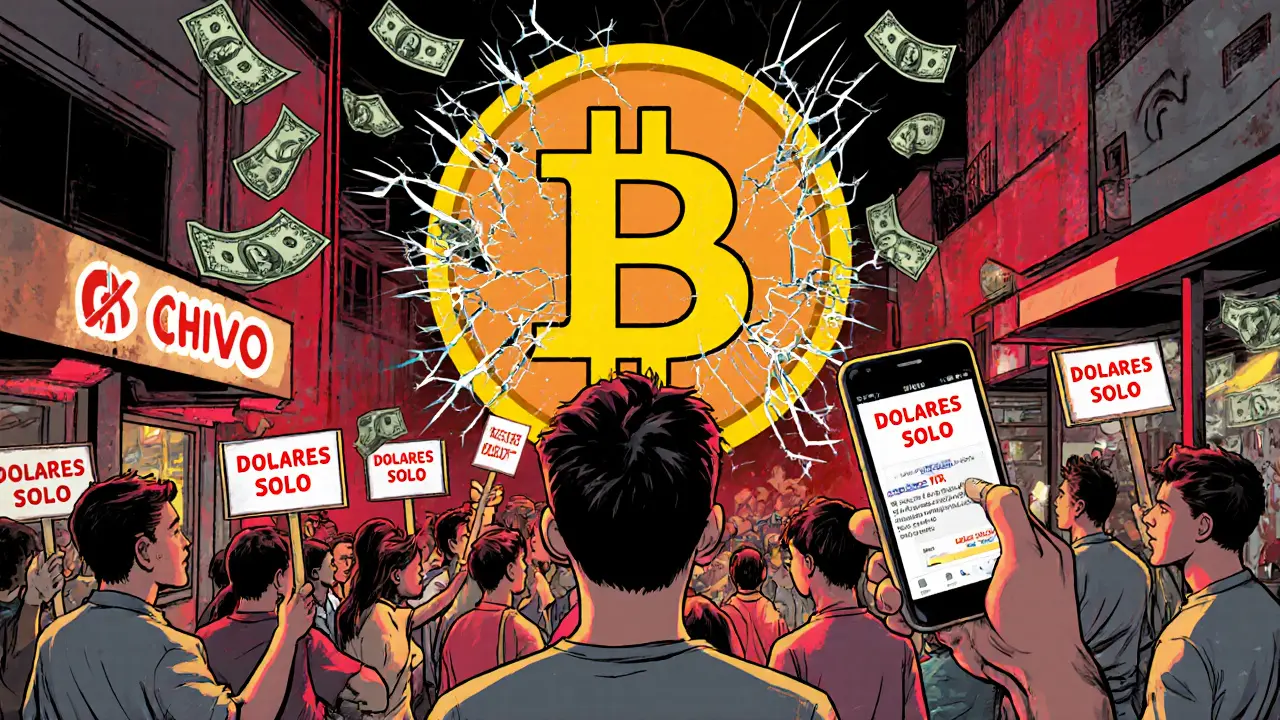
How El Salvador Uses Bitcoin for National Economy - And Why It’s Struggling
El Salvador made Bitcoin legal tender in 2021 to boost remittances and financial inclusion. Three years later, adoption is minimal, costs remain high, and the government has scaled back its efforts after losing billions and facing IMF pressure.
November 13 2025