Most people searching for a new crypto exchange want one thing: liquidity. They want to buy Bitcoin, swap Ethereum, or trade altcoins without worrying if the order will actually fill. That is where DuckyDeFi gets interesting-and confusing. Launched in 2022, this platform positions itself as a decentralized exchange (DEX) focused on its native token, DEGG. But does it offer enough value to justify moving your assets there? Or is it just another micro-platform struggling to find its footing in a market dominated by giants like Uniswap and PancakeSwap?
If you are holding DEGG tokens or curious about niche DeFi projects, this review breaks down what DuckyDeFi actually offers. We will look at its limited trading pairs, the technical realities of using it, and how it stacks up against the industry standards set by major players in 2026.
What Exactly Is DuckyDeFi?
DuckyDeFi is a decentralized cryptocurrency exchange established in 2022 that operates as both a trading platform and a token project with its native DEGG cryptocurrency. Unlike centralized exchanges like Coinbase or Binance, which hold your funds in their custody, DuckyDeFi relies on smart contracts to facilitate peer-to-peer trades directly from your wallet. You connect a digital wallet, approve the tokens you want to trade, and execute the swap. There is no middleman taking a cut of your principal balance, but you do pay gas fees to the blockchain network.
The core identity of this platform is tied closely to its native asset, the DEGG token. Think of it as the fuel that powers the ecosystem. While most major DEXs support hundreds of tokens across multiple blockchains, DuckyDeFi is highly specialized. It currently supports only four cryptocurrencies across five trading pairs. This narrow focus suggests the platform is designed primarily for DEGG holders who need a dedicated venue to trade their specific asset, rather than a general-purpose hub for all crypto traders.
Trading Pairs and Liquidity: The Big Limitation
Let’s be direct about the biggest hurdle: selection. If you log into Uniswap, you can trade thousands of tokens. On PancakeSwap, you have access to a wide variety of stablecoins and major alts. On DuckyDeFi, your options are extremely limited. With only five active trading pairs, you are essentially locked into a very small circle of assets. If you want to trade something outside those five pairs, you likely won’t find it here.
Liquidity is the other critical factor. In decentralized finance, liquidity refers to how easily you can buy or sell an asset without significantly moving the price. Major platforms like Uniswap boast Total Value Locked (TVL) figures in the billions-around $4.9 billion as of late 2025. PancakeSwap sits at roughly $2.5 billion. DuckyDeFi does not publish comparable TVL metrics, which is a red flag for serious traders. Without deep liquidity pools, larger trades can suffer from "slippage," meaning you get a worse price than expected because the pool doesn't have enough depth to absorb your order size. For small, casual trades, this might be manageable. For anyone moving significant capital, the risk is high.
| Feature | DuckyDeFi | Uniswap | PancakeSwap |
|---|---|---|---|
| Supported Cryptocurrencies | 4 | Thousands | Hundreds |
| Trading Pairs | 5 | Tens of Thousands | Thousands |
| Total Value Locked (TVL) | Not Publicly Verified | ~$4.9 Billion | ~$2.5 Billion |
| Multi-Chain Support | Limited/Niche | 39+ Chains | 9 Chains |
| Primary Use Case | DEGG Token Trading | General DEX Leader | Yield Farming & General Trading |
User Experience and Technical Requirements
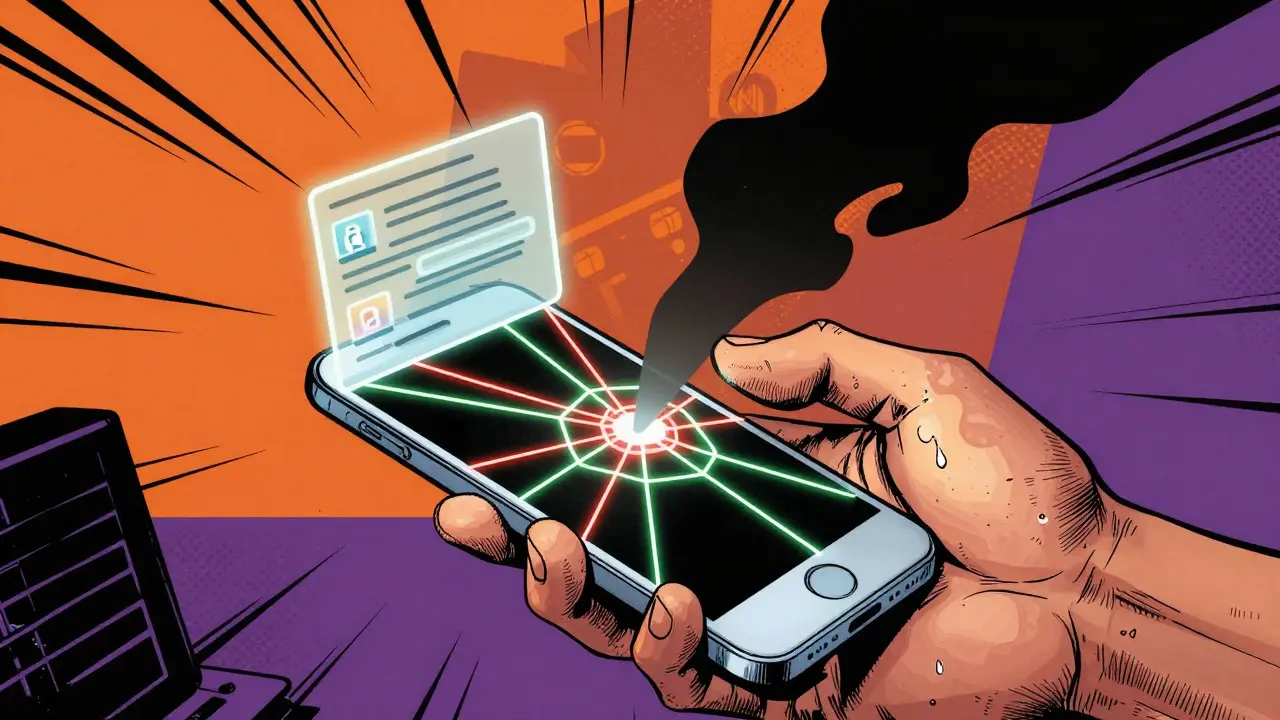
Using any DEX requires a certain level of technical comfort. You need a compatible wallet, such as MetaMask or Trust Wallet. You must understand how to manage gas fees, which are the costs paid to process transactions on the blockchain. More importantly, you need to know how to "approve" tokens. Before you can trade, you have to tell the smart contract that it has permission to move a specific amount of your crypto. If you make a mistake here, you could accidentally give a malicious contract unlimited access to your funds.
DuckyDeFi lacks the extensive tutorials and customer support teams found on centralized platforms. There is no live chat to ask questions if you get stuck. The documentation is minimal, which means you are largely on your own. For beginners, this steep learning curve can be discouraging. Industry estimates suggest it takes 20 to 40 hours of dedicated study to fully grasp the security mechanics of DeFi interactions. If you are new to crypto, jumping straight into a niche DEX without mastering these basics is risky.
Security and Trust Factors
Security is the top concern for any investor. In the world of DEXs, the main risks are smart contract bugs and scam tokens. Since DuckyDeFi is a smaller platform, its smart contracts may not have undergone the same rigorous, multi-layered audits as those used by Uniswap or Balancer. While no major hacks have been widely reported for DuckyDeFi in recent years, the lack of public audit reports makes it harder to verify safety independently.
Furthermore, the absence of DuckyDeFi in major industry reviews is telling. Platforms like Traders Union and Koinly regularly rate top exchanges based on reliability, regulation, and user trust. DuckyDeFi is notably absent from these lists. This isn't necessarily proof of danger, but it indicates that the platform hasn't achieved the scale or recognition required to warrant professional scrutiny. In a post-FTX market, investors are more cautious. They prefer platforms with transparent regulatory compliance and proven track records. DuckyDeFi currently struggles to demonstrate either at a significant scale.
Who Should Use DuckyDeFi?
So, who is this platform actually for? It is not for day traders looking for fast execution and diverse markets. It is not for beginners who need hand-holding. It is primarily for existing holders of the DEGG token who need a specific venue to swap their assets. If you already hold DEGG and want to trade it within its native ecosystem, DuckyDeFi provides that function. However, if you are looking for a primary exchange to store and trade your entire portfolio, you should look elsewhere. The limited pair count and unverified liquidity levels make it unsuitable as a main hub for serious trading activities.
Frequently Asked Questions
Is DuckyDeFi safe to use?
Safety depends on your risk tolerance. As a decentralized exchange, your funds remain in your wallet until you trade, which reduces custodial risk. However, because it is a smaller platform with limited public audit data, you should always double-check contract addresses before approving tokens. Start with small amounts to test the waters.
What is the DEGG token used for?
DEGG is the native utility token of the DuckyDeFi platform. It serves as the primary asset for trading pairs on the exchange. Holding DEGG may also grant access to specific platform features or governance rights, though detailed governance structures are not extensively documented publicly.
How many coins can I trade on DuckyDeFi?
As of the latest updates, DuckyDeFi supports only four cryptocurrencies across five trading pairs. This is significantly fewer than major competitors like Uniswap, which supports thousands of tokens. Check the live platform for current availability, as pairs can change.
Does DuckyDeFi charge high fees?
The exact fee structure is not prominently listed in major directories. Like most DEXs, you will pay standard blockchain gas fees plus a small transaction fee to the protocol. Because liquidity is lower, slippage costs can effectively increase your total trading cost compared to high-volume platforms.
Can beginners use DuckyDeFi easily?
It is challenging for beginners. You need to understand wallet connections, token approvals, and gas fee management. There is minimal customer support or comprehensive tutorial content available. It is recommended that users gain experience on more established DEXs first.