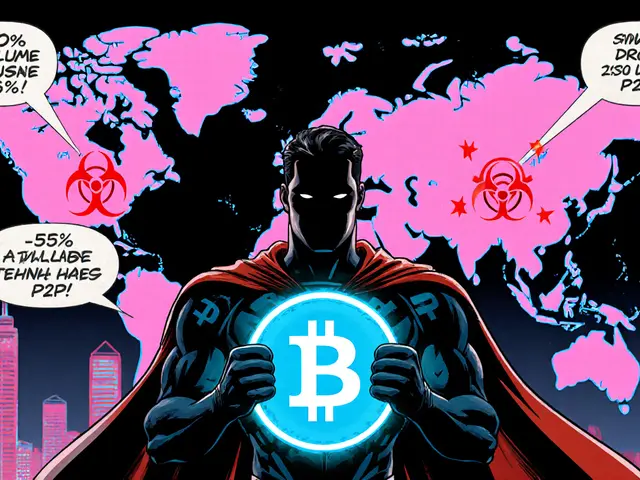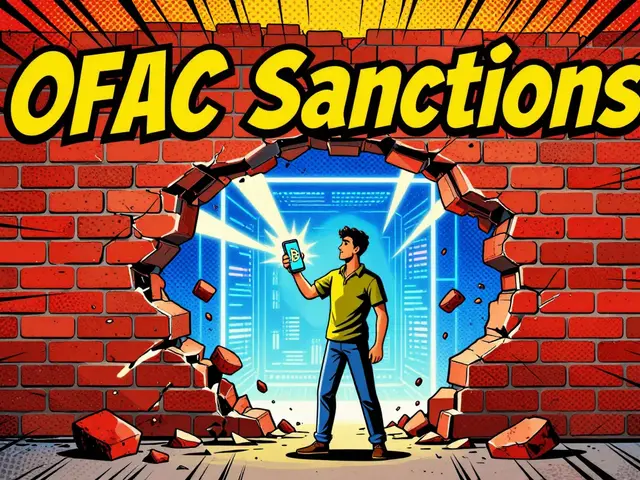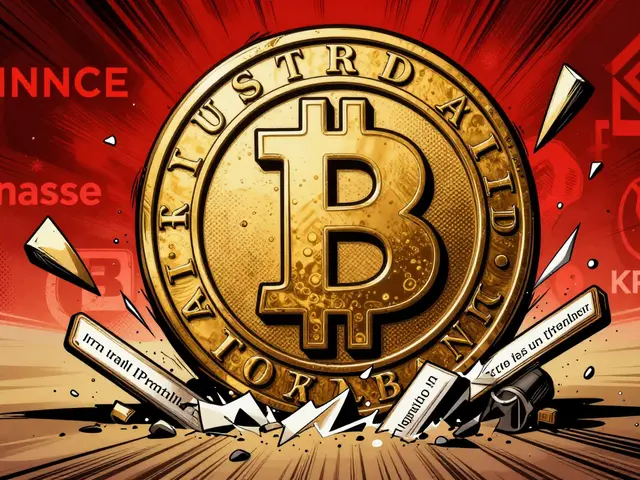
Iranian users can’t log into Binance, Coinbase, or Kraken-not because they forgot their password, but because OFAC sanctions block them outright. Since 2015, the U.S. Treasury’s Office of Foreign Assets Control has turned cryptocurrency addresses into targets, freezing wallets, shutting down exchanges, and forcing global platforms to cut off Iranian customers. It’s not about ideology-it’s about tracking money. And the money being moved? Billions tied to Iran’s military and shadow banking networks.
How OFAC Targets Crypto in Iran
OFAC doesn’t just name people. It names addresses. On November 28, 2018, they made history by publishing the first-ever Bitcoin wallet addresses linked to Iranian hackers running the SamSam ransomware. These weren’t random addresses-they were the exact digital accounts where ransom payments were collected in Bitcoin, then converted to Iranian rials and funneled into state banks. The move sent a message: blockchain is transparent, and you can’t hide behind anonymity forever. Since then, OFAC has added hundreds of crypto addresses to its Specially Designated Nationals (SDN) list. In September 2025, they went further. They targeted a $600 million Iranian shadow banking network that used cryptocurrency to launder over $100 million in oil profits for the IRGC-Qods Force. Five specific wallet addresses were named: two Ethereum addresses and three Tron addresses. These weren’t just random wallets-they held Tether, Ether, and Bitcoin, all used to move money across borders without banks. These aren’t theoretical threats. Exchanges that ignore these lists face fines. ShapeShift AG paid $750,000 in September 2025 after letting Iranian users trade over $12.5 million in crypto over two years. The message was clear: if you’re a global exchange, you must screen every transaction against OFAC’s list-or pay the price.Why Iranian Users Are Locked Out
Most major exchanges now use geo-blocking and wallet-screening tools to prevent Iranian users from signing up or trading. If your IP is from Iran, or your wallet has ever interacted with a sanctioned address, you’re blocked. It’s automatic. No human review. No appeal. This isn’t just about compliance. It’s about survival. Exchanges like Binance and Kraken operate in markets where U.S. law applies-even if they’re headquartered overseas. They can’t afford to risk being cut off from U.S. banking partners or fined under U.S. jurisdiction. So they err on the side of caution: block everyone from Iran. The result? Iranian crypto users have been pushed out of mainstream platforms. What was once a growing market for trading Bitcoin and Ethereum is now a fragmented ecosystem. Legitimate traders, investors, and even small business owners who use crypto for remittances or online purchases are collateral damage.The Rise of Sanctions-Busting Exchanges
But people still need to trade. So they find ways around it. In March 2025, after U.S. authorities shut down Garantex-a major Russian-based exchange used heavily by Iranian users-its operators didn’t disappear. They built Grinex. The new platform openly advertised itself as a replacement for Garantex. It even created a custom token, A7A5, backed by Russian rubles, to help users regain access to their frozen funds. Within months, Grinex processed billions in transactions. This isn’t an isolated case. When one exchange gets hit, another pops up in its place. Some operate out of Kyrgyzstan. Others use shell companies in Hong Kong, the UAE, or China. Blue Sky General Trading LLC in Dubai, for example, was flagged by OFAC in 2025 for helping funnel Iranian crypto proceeds while hiding behind a legitimate-looking import/export business. These platforms don’t care about KYC. They don’t ask for ID. They accept deposits from any wallet-even ones already on OFAC’s list. That’s why they’re dangerous. And that’s why they’re still active.
How Iranians Are Bypassing the Block
Most Iranian users don’t rely on centralized exchanges anymore. They’ve shifted to three main alternatives:- Peer-to-peer (P2P) platforms like LocalBitcoins and Paxful, where users trade directly with each other using cash, gift cards, or bank transfers.
- Decentralized exchanges (DEXs) like Uniswap or PancakeSwap, which don’t require accounts or identity verification.
- Privacy coins like Monero and Verge, which obscure transaction details and make tracking nearly impossible.
The Real Cost of Sanctions
The sanctions have worked-up to a point. They’ve blocked large-scale laundering operations. They’ve forced exchanges to clean up. They’ve disrupted Iran’s ability to move millions in crypto without detection. But they’ve also hurt ordinary people. Iranian families rely on crypto to receive money from relatives abroad. Small tech startups use it to pay for cloud services or software subscriptions. Farmers sell crops online and get paid in stablecoins because local banks won’t process foreign payments. And while OFAC targets the IRGC-QF, the tools they use-wallet blacklisting, IP blocking, transaction monitoring-are applied broadly. There’s no way to separate the terrorist from the teacher. So everyone gets blocked. The unintended consequence? A growing black market for crypto services inside Iran. Local exchanges now operate in secret, often using Telegram bots and encrypted apps. Some even accept cash deposits in person. These platforms aren’t regulated. They’re not secure. And if the government cracks down, users lose everything.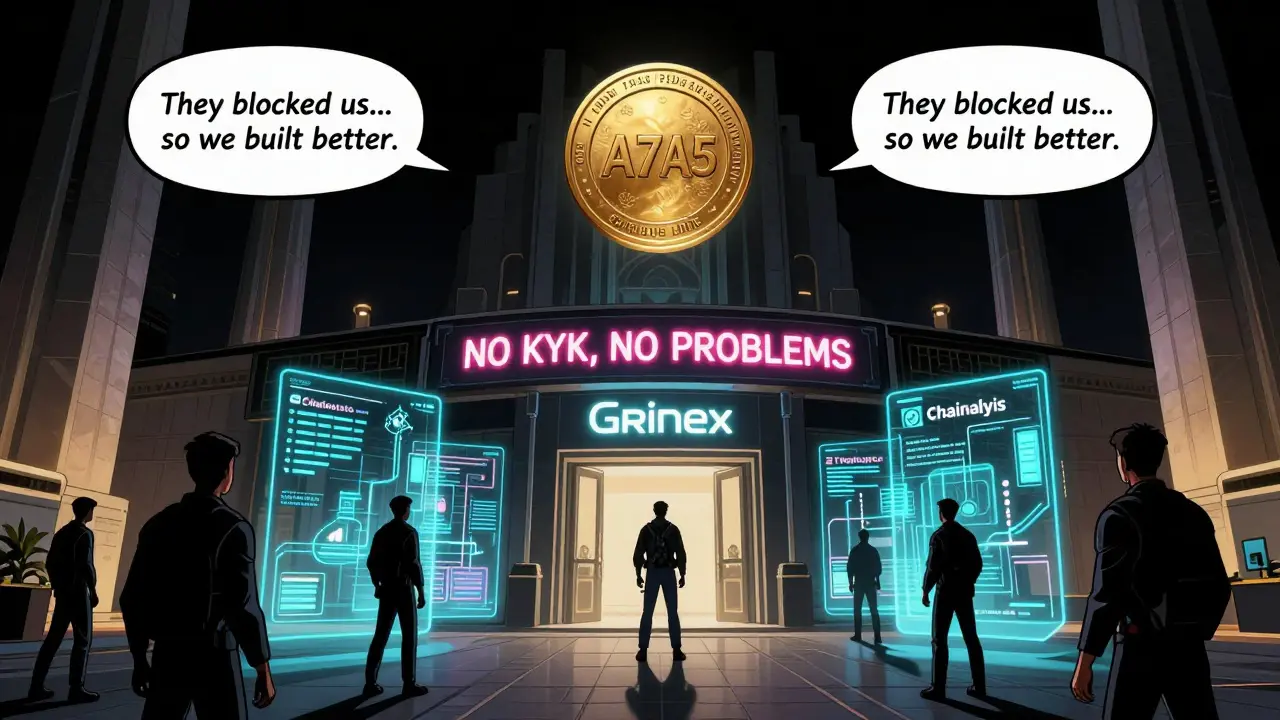
What’s Next for Crypto and Sanctions?
The arms race between enforcement and evasion is accelerating. OFAC is now working with blockchain analytics firms like Chainalysis and Elliptic to build real-time monitoring systems. AI models scan millions of transactions daily, flagging suspicious patterns: wallets that receive funds from known Iranian addresses, then send them to mixers, then to exchanges in non-cooperative jurisdictions. Meanwhile, Iranian actors are turning to new tools: decentralized finance (DeFi) protocols that don’t require intermediaries, cross-chain bridges that move assets between blockchains to hide origins, and even NFTs used as digital value carriers. Experts predict that by 2027, OFAC will start designating entire DeFi protocols if they’re found to be used primarily by sanctioned entities. Imagine a world where Uniswap gets blocked-not because it’s bad, but because too many Iranians use it. The bigger question isn’t whether sanctions work. It’s whether they’re sustainable. Every time OFAC blocks a wallet, it pushes more activity underground. Every time a new exchange rises, it becomes harder to track. And every time a regular Iranian citizen loses access to crypto, the system loses legitimacy.Can Anything Change?
There’s no easy fix. Sanctions are political tools, not technical ones. But some experts argue for smarter enforcement: targeted sanctions that focus only on verified military-linked wallets, not entire national IP ranges. Others suggest creating a legal pathway for humanitarian crypto use-like allowing Iranian citizens to receive remittances through approved, audited platforms. For now, the status quo holds. Iranian users are blocked. Exchanges comply. Sanctions evolve. And the blockchain? It keeps recording every move.Can Iranian users still trade cryptocurrency at all?
Yes-but not on major exchanges like Binance or Coinbase. Iranian users now rely on peer-to-peer platforms, decentralized exchanges (DEXs), and privacy coins like Monero. These methods are riskier, slower, and less liquid, but they bypass geo-blocks and wallet blacklists. Some also use local, unregulated Iranian exchanges that operate via Telegram or encrypted apps.
Why did OFAC start targeting cryptocurrency addresses?
Because blockchain transactions are public and permanent. Unlike traditional banking, where money moves behind closed doors, every crypto transaction is recorded on a ledger. OFAC realized it could track illicit funds by identifying wallet addresses linked to ransomware, smuggling, or military funding. The first major case was in 2018, when they published Bitcoin addresses used by Iranian hackers behind the SamSam ransomware.
Are all Iranian crypto users sanctioned?
No. OFAC sanctions specific individuals, entities, and wallet addresses-not entire countries. But in practice, exchanges block all Iranian users because they can’t reliably distinguish between a civilian trader and someone linked to the IRGC. The risk of fines is too high, so they block everyone.
What happens if you use a sanctioned crypto wallet?
If your wallet is on OFAC’s SDN list, any exchange that checks the list will freeze or block transactions. Funds sent to or from that address may be permanently locked. Even if you didn’t create the wallet, if it’s been used by a sanctioned party, you’re at risk. Some users try to mix funds or use new wallets, but blockchain analytics can often trace the history.
How do exchanges know which wallets are sanctioned?
OFAC publishes a public list of sanctioned cryptocurrency addresses. Exchanges integrate this list into their compliance software, which scans every deposit and withdrawal in real time. Tools from companies like Chainalysis and Elliptic help automate this process. If a transaction matches a flagged address, the exchange blocks it and may report it to authorities.
Is it possible to remove a wallet from OFAC’s list?
It’s extremely difficult. OFAC rarely removes addresses unless the original owner proves they no longer control the wallet or that the designation was a mistake. Even then, the record stays on the blockchain. Once a wallet is flagged, it’s permanently tainted in the eyes of compliance systems.
What’s the difference between Garantex and Grinex?
Garantex was a Russian-based cryptocurrency exchange shut down by U.S. authorities in March 2025 for serving Iranian and other sanctioned users. Its operators immediately created Grinex as a replacement, transferring customer deposits and offering a new token (A7A5) to restore access. Grinex openly advertised itself as a sanctions-evading platform and has since processed billions in transactions, making it a prime target for future OFAC action.