It is May 2026, and the crypto world is buzzing with new opportunities. You see a notification about the CryptoTycoon airdrop promising free CTT tokens. Your heart races. Free money? Or another trap designed to drain your wallet? In an era where sophisticated scams mimic legitimate projects, knowing the difference is the only thing standing between you and total loss.
I have spent years tracking blockchain trends from my desk in Bristol, and I can tell you this: if a project isn't listed on major aggregators like CoinGecko or CoinMarketCap, it should raise immediate red flags. The search for specific details on the "(CTT) CryptoTycoon airdrop" yields almost nothing credible. This silence is louder than any marketing hype. Let’s break down why this project looks suspicious, what real airdrops look like in 2026, and how you can protect yourself.
The Silence Around CryptoTycoon
When a legitimate cryptocurrency project launches an airdrop, it generates noise. Developers post on Twitter (now X), communities discuss eligibility on Discord, and data trackers update their lists. For CryptoTycoon, however, there is a deafening silence.
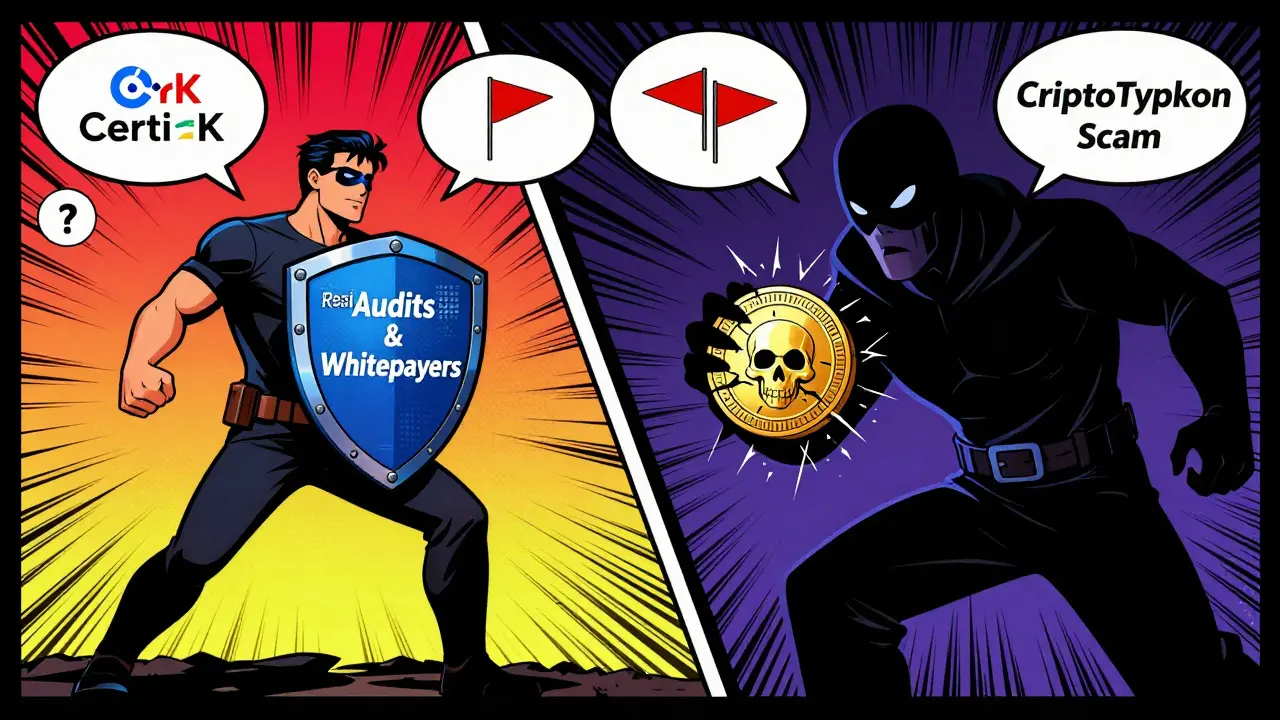
I searched through every major database available as of late May 2026. There is no record of a token ticker CTT associated with a project called CryptoTycoon. There are no smart contract audits published by firms like CertiK or Hacken. There is no whitepaper hosted on a decentralized storage network like IPFS. Instead, we find references to an older, unrelated project simply called "Tycoon" that distributed TYC tokens years ago. That project was a copy-trading platform, not a generic "tycoon" game, and its airdrop closed long before 2025.
This confusion is a classic tactic. Scammers take the name of a vaguely familiar concept-like "Tycoon" games or old trading platforms-and slap a new, shiny acronym like CTT onto it. They hope you won’t check the details closely enough to realize the original project has nothing to do with them.
| Feature | Legitimate Project (e.g., MetaMask, LayerZero) | Suspicious Project (e.g., CryptoTycoon/CTT) |
|---|---|---|
| Public Presence | Listed on CoinGecko, CoinMarketCap, DefiLlama | Absent from major trackers; only social media links |
| Smart Contract Audit | Published audit reports from reputable firms | No audit, or fake PDFs with no verifiable signature |
| Team Identity | Doxxed founders with LinkedIn profiles | Anonymous team or stolen photos of celebrities |
| Claim Mechanism | Official website domain registered for years | Newly registered domain (less than 6 months old) |
| Token Utility | Clear governance or staking utility explained in docs | Vague promises of "high returns" or "play-to-earn" without mechanics |
Why Do Scammers Use Names Like "CryptoTycoon"?
Psychology plays a huge role in crypto fraud. The word "Tycoon" implies wealth, success, and empire-building. Combine that with "Crypto," and you create a brand that sounds authoritative yet accessible. It appeals to beginners who want to get rich quick without understanding blockchain technology.
In 2025 and 2026, we saw a surge in "airdrop farming" fatigue. Users were tired of doing complex tasks for tiny rewards. Scammers exploited this by offering "easy" claims. They promise thousands of dollars worth of tokens for simply connecting a wallet. But here is the catch: the moment you connect your wallet to their unverified site, they may trigger a malicious transaction. This isn't just about stealing your ETH; it's about draining your NFTs, your stablecoins, and everything else in your portfolio.
Remember the case of the fake Uniswap airdrop sites? They looked identical to the real thing. Users connected their wallets, approved a "claim" function, and lost hundreds of thousands of dollars in minutes. The CryptoTycoon/CTT scenario follows this exact pattern. The lack of information is not an oversight; it is a feature. Anonymity protects the scammers while exposing you to risk.
How to Verify Any Airdrop in 2026
You don't need to be a developer to spot a fake. You just need a checklist. Before you ever think about clicking a link for a CTT token claim, run these five checks:
- Check Domain Age: Go to a WHOIS lookup tool. If the website claiming the airdrop was registered last week, close the tab immediately. Legitimate projects use domains registered years ago.
- Verify Social Proof: Look at their Twitter or Telegram. Are the followers real? Check the comments. If everyone is posting bot-like messages like "Great project!" or "GM," it’s fake. Real communities argue, ask technical questions, and share memes.
- Search CoinGecko/CoinMarketCap: If the token isn't listed here, it doesn't exist in the mainstream market. You might be holding worthless dust.
- Inspect the Smart Contract: If they provide a contract address, paste it into Etherscan (or the relevant chain explorer). Does it have verified source code? Who owns the admin keys? If the owner can mint infinite tokens, run away.
- Never Share Private Keys: No legitimate airdrop will ever ask for your private key or seed phrase. Period. If a site asks for it, it is a phishing attack.
The Real Airdrop Landscape: What’s Actually Happening?
While CryptoTycoon fades into obscurity as a likely scam, the real airdrop space in 2026 is robust but different. Projects are moving away from random giveaways toward merit-based distribution. This means you earn points by using the product, not just by signing up.
For example, the MetaMask token launch required users to have an active account with a minimum balance of 0.1 ETH. It wasn't free money; it was a reward for existing usage. Similarly, projects like LayerZero and zkSync rewarded users who bridged assets across chains during their testnet phases.
Even in gaming, the model has shifted. Titles like Off the Grid on Avalanche don't just give tokens away. They integrate "play-to-airdrop" mechanics where your in-game performance determines your reward. This ensures that the people receiving tokens are actually interested in the ecosystem, reducing sell pressure and increasing community loyalty.
If you want to participate in real airdrops, focus on these strategies:
- Use New Protocols Early: Identify emerging DeFi protocols or Layer 2 networks. Bridge small amounts of funds, swap tokens, and provide liquidity. These interactions are recorded on-chain and often qualify you for future drops.
- Join Official Discords: Engage in official channels. Complete quests on platforms like Galxe or QuestN, but only for projects you recognize and trust.
- Diversify Chains: Don't just stick to Ethereum. Activity on Solana, Base, and Arbitrum is also being tracked for potential rewards.
Red Flags Specific to the CTT Token Claim
Let’s get back to the specific claim about CTT. Here are the specific indicators that scream "scam":
1. The Name Mismatch: As noted, there is a historical project called Tycoon (TYC), but no CryptoTycoon (CTT). This slight alteration is designed to bypass simple searches while confusing users who remember the old name.
2. Lack of Whitepaper: Every serious crypto project has a whitepaper detailing its technology, tokenomics, and roadmap. CryptoTycoon has none. Without this document, there is no transparency about how the CTT token will be used or valued.
3. Urgency Tactics: Most scam sites use countdown timers. "Claim ends in 2 hours!" This creates panic, forcing you to act without thinking. Real airdrops have clear, extended timelines and public announcements.
4. Unrealistic Rewards: If they promise $5,000 worth of tokens for a simple click, it’s too good to be true. Even top-tier airdrops like those from Starknet or Immutable X rarely exceeded a few hundred dollars per user for most participants.
What To Do If You Already Connected Your Wallet
If you clicked a link related to CryptoTycoon or CTT and connected your wallet, don't panic, but act fast. Here is your emergency protocol:
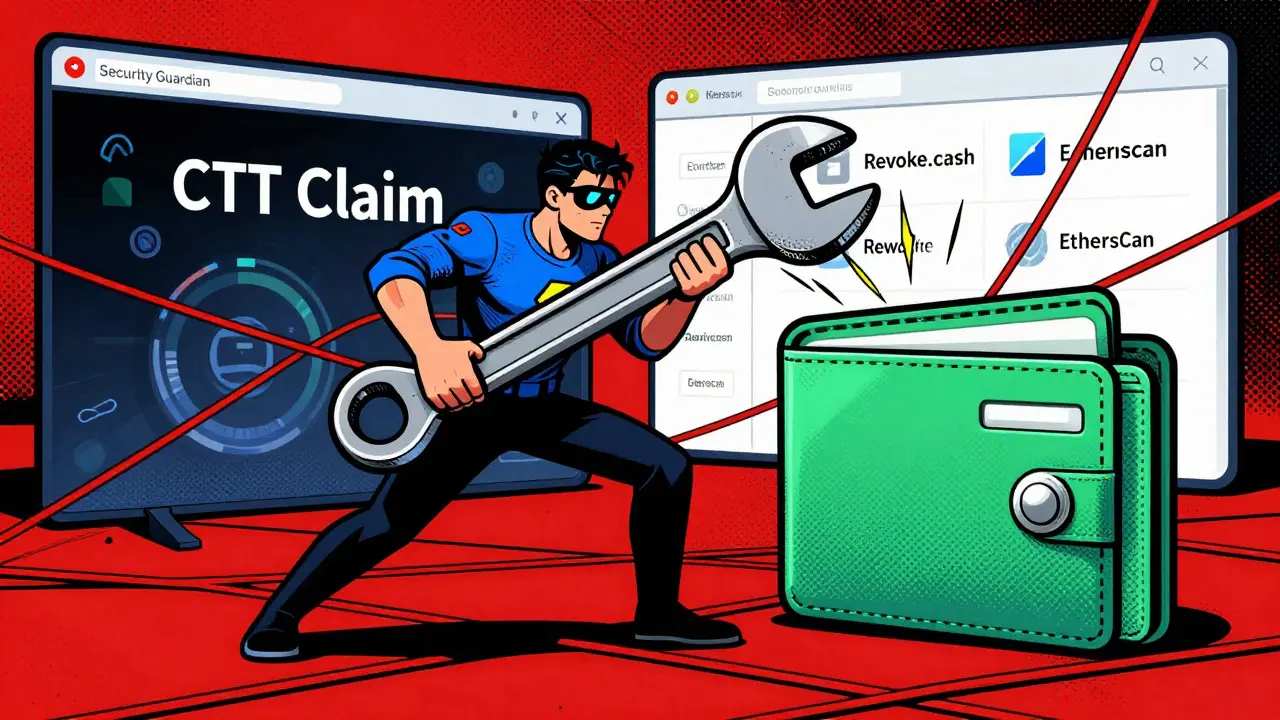
- Revoke Permissions: Go to Revoke.cash or WalletGuardian. Connect your wallet and look for any approvals granted to unknown contracts. Revoke them immediately. This stops the site from accessing your funds in the future.
- Move Funds: Transfer your remaining crypto to a new, clean wallet. Create a fresh seed phrase and never use the compromised wallet again.
- Check Transaction History: Look at your recent transactions on Etherscan. Did you approve a transfer? If so, monitor your other accounts closely for any unusual activity.
- Report the Site: Report the URL to Google Safe Browsing and share the warning on social media to help others avoid the trap.
Conclusion: Stay Skeptical, Stay Safe
The allure of free crypto is strong, but the cost of a mistake is high. The (CTT) CryptoTycoon airdrop lacks all the hallmarks of a legitimate project. It has no presence on major data aggregators, no audited smart contracts, and no verifiable team. It fits the profile of a phishing scam designed to exploit the excitement around airdrops.
In 2026, the best way to profit from airdrops is to be patient and diligent. Focus on established ecosystems, interact with real products, and always verify before you claim. Your security is more valuable than any hypothetical token drop. Keep your private keys private, and let the scammers starve for attention.
Is the CryptoTycoon (CTT) airdrop real?
No, there is no credible evidence that the CryptoTycoon (CTT) airdrop is real. The project is not listed on major cryptocurrency trackers like CoinGecko or CoinMarketCap, lacks a whitepaper, and shows no signs of a legitimate development team. It appears to be a scam mimicking older projects.
What is the difference between Tycoon (TYC) and CryptoTycoon (CTT)?
Tycoon (TYC) was a legitimate copy-trading platform that conducted an airdrop years ago. CryptoTycoon (CTT) is a separate, unverified entity using a similar name to confuse users. There is no official connection between the two, and CTT is widely considered a fraudulent scheme.
How can I verify if a crypto airdrop is safe?
To verify an airdrop, check if the project is listed on CoinGecko or CoinMarketCap. Look for a published smart contract audit from a reputable firm. Ensure the website domain is old and the team members are publicly identified (doxxed). Never share your private key or seed phrase.
What should I do if I connected my wallet to a suspicious airdrop site?
Immediately revoke all token approvals using tools like Revoke.cash. Move your remaining funds to a new, secure wallet with a fresh seed phrase. Monitor your transaction history for unauthorized transfers and report the malicious site to authorities and browser safety teams.
Are there any legitimate airdrops happening in 2026?
Yes, but they are typically merit-based. Projects like MetaMask, LayerZero, and various Layer 2 networks reward users who actively use their platforms. Gaming projects like Off the Grid also offer rewards based on gameplay. Always research the project's official channels before participating.