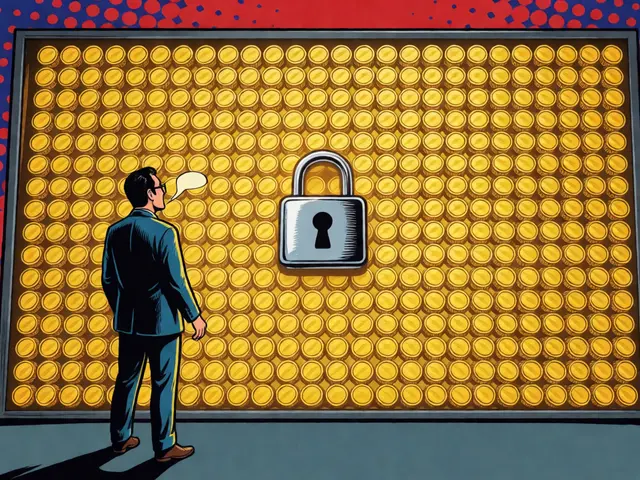
Imagine waking up to find your life savings locked behind a digital wall you didn't build. For millions of Iranians, this isn't a hypothetical nightmare; it's a recurring reality driven by the collision of international sanctions and domestic regulatory shifts. If you are an Iranian user trying to navigate the volatile world of digital assets, choosing the right platform is less about fees and more about survival. The wrong choice can lead to frozen funds, legal headaches, or total asset seizure.
The core issue here is cryptocurrency exchange accessibility, defined as the ability of users in sanctioned jurisdictions to deposit, trade, and withdraw digital assets without facing account freezes or regulatory penalties. As of late 2025, the landscape has shifted dramatically. U.S. Treasury enforcement actions have become more aggressive, targeting not just large entities but individual wallet addresses linked to Iranian infrastructure. This means that using a major global exchange is no longer a safe bet for everyone, and even local platforms carry significant hidden risks.
The Tether Freeze and Stablecoin Risks
Let's start with the biggest threat: stablecoins. Specifically, USDT (Tether). In July 2025, Tether executed its largest-ever freeze of Iranian-linked funds. They blocked 42 cryptocurrency addresses, many of which had substantial exposure to Iranian exchanges. Why does this matter to you? Because if your exchange relies heavily on USDT pairs, your assets are sitting on a ticking time bomb.
Tether acts as a centralized entity that complies strictly with U.S. sanctions. When they freeze an address, there is often little recourse for the end-user. More than half of the wallets frozen in that specific incident were connected to Nobitex, Iran's largest cryptocurrency exchange serving over 11 million users. If you hold USDT on a platform that hasn't diversified away from this token, you risk having your balance stuck indefinitely. Recent campaigns by domestic influencers have urged users to move toward alternatives like DAI via the Polygon network, highlighting how quickly established trading patterns can be disrupted by external enforcement actions.
Nobitex: The Double-Edged Sword
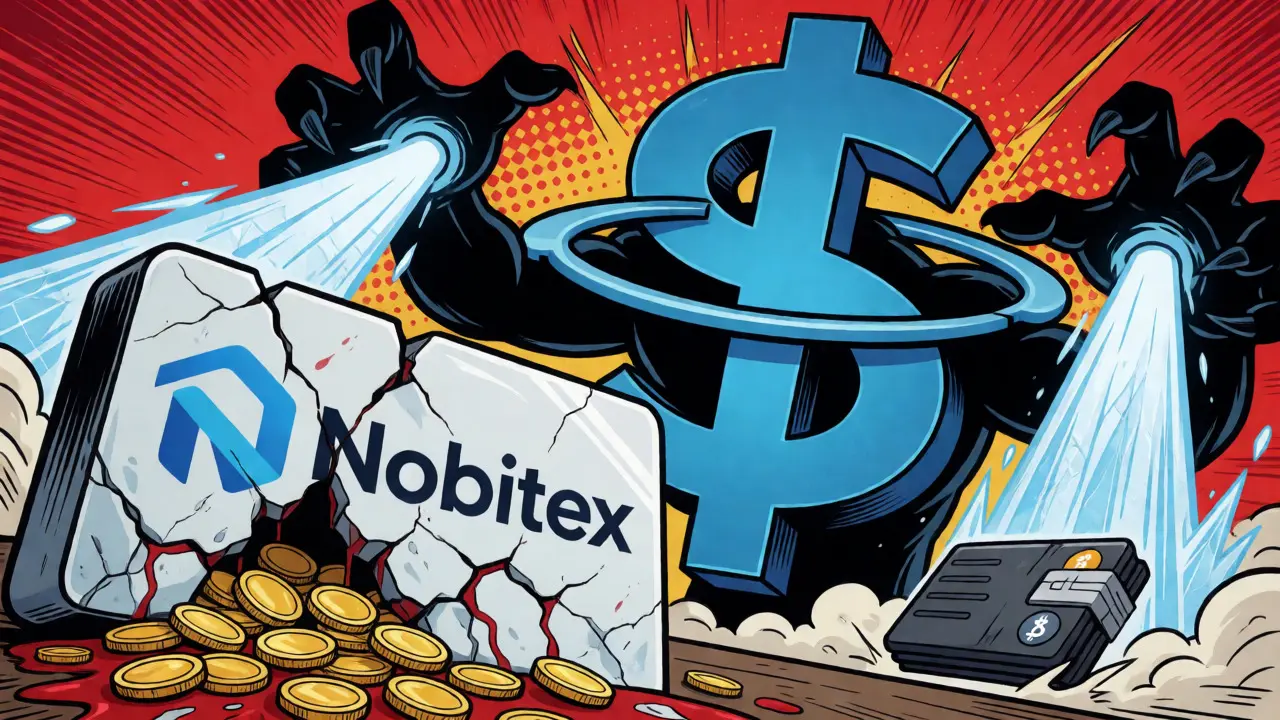
You might think sticking to the biggest local player is the safest route. After all, Nobitex dominates the Iranian market. But size doesn't equal safety when geopolitical tensions are involved. Nobitex was sanctioned by international authorities and suffered a devastating hack exceeding $90 million in June 2025. Elliptic, a blockchain analytics firm, linked Nobitex to a network of wallets consistent with IRGC-aligned financial activity.
This dual role makes it risky for ordinary users. On one hand, it is critical infrastructure for cross-border transactions within Iran. On the other, it is a primary target for international enforcement. If you use Nobitex, you are essentially banking on the assumption that the exchange can withstand both internal security failures and external political pressure. For many, this is too high a gamble.
Global Giants and Compliance Traps
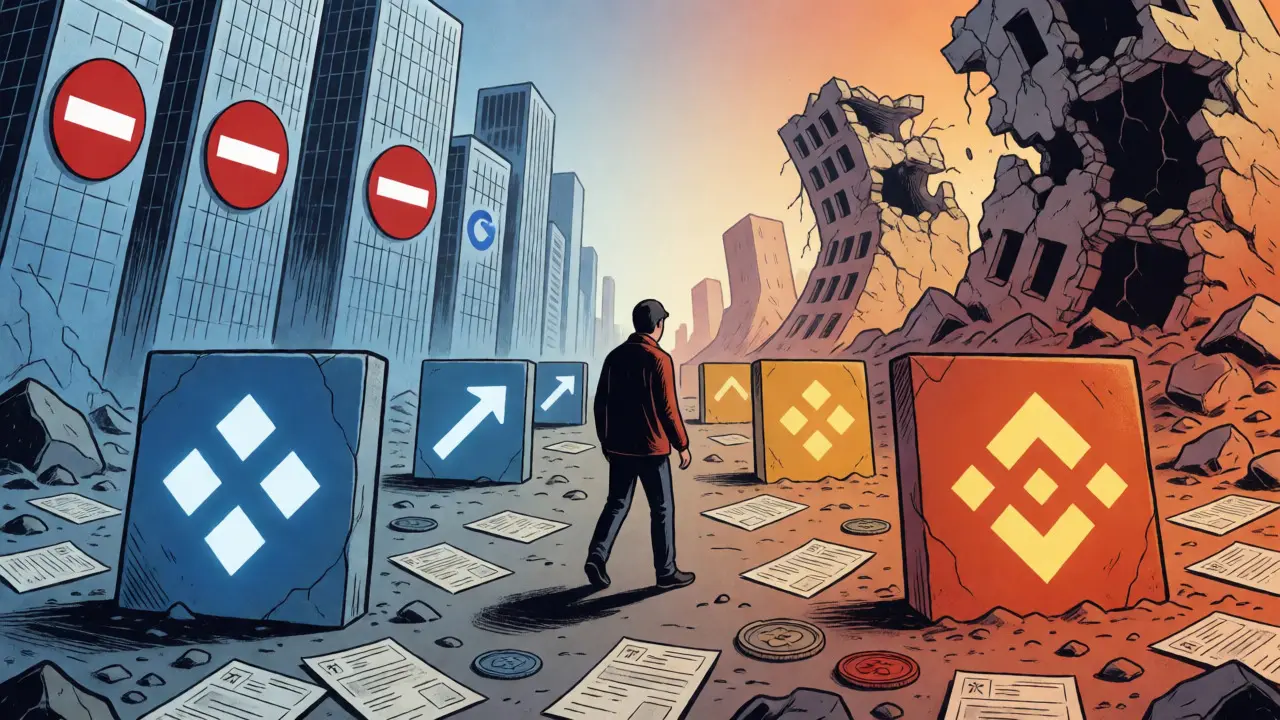
What about the big names? Coinbase, Binance, Kraken-these are the go-to choices for most of the world. For Iranians, they are often landmines. These tier-1 platforms implement comprehensive sanctions screening. If their algorithms detect an IP address from Iran, or worse, a bank transaction originating from an Iranian institution, they may freeze your account instantly.
Unlike local exchanges, global giants rarely offer customer support tailored to Iranian users. If your account is flagged, you might spend months in limbo trying to prove your identity and residency, only to be told you cannot legally hold assets there. It is better to avoid these platforms entirely unless you have verified, non-Iranian residency documents and a clear path to withdrawal that doesn't involve Iranian banks.
Domestic Regulatory Headaches
Even if you stick to local platforms, the ground is shifting beneath your feet. In early 2025, Iran's Central Bank shut down rial-based payment gateways for cryptocurrency exchanges. This move forced platforms to obtain licenses and submit comprehensive transaction data for government transparency. Suddenly, privacy became a luxury.
Furthermore, in February 2025, a nationwide ban on cryptocurrency advertising signaled increasing government hostility toward unregulated crypto activity. Licensed exchanges must now comply with multi-agency oversight through Anti-Money Laundering (AML) and Counter-Terrorist Financing (CTF) protocols. While this sounds professional, it creates privacy concerns. Your trading history is now visible to multiple government agencies, potentially exposing you under international sanctions lists.
| Exchange Type | Primary Risk | Regulatory Exposure | Asset Security |
|---|---|---|---|
| Global Tier-1 (Binance, Coinbase) | Account Freezes | High (U.S./UN Sanctions) | High (but inaccessible) |
| Major Local (Nobitex) | Hacks & Political Targeting | Medium (Domestic Licensing) | Low (Recent Breaches) |
| Unregulated P2P Platforms | Fraud & Exit Scams | Low (But Legal Ambiguity) | Very Low |
| Newly Licensed Small Exchanges | Liquidity Issues | High (Strict KYC) | Medium |
Stablecoin Restrictions and Taxation
Another layer of complexity comes from new domestic rules. As of September 2025, Iran implemented strict stablecoin restrictions. Individual and legal entities face maximum annual stablecoin purchases of $5,000 and holding limits of $10,000. If you hold more than $10,000 in stablecoins, you received a one-month compliance deadline. Failure to comply could result in unspecified penalties.
Additionally, the August 2025 enactment of the Law on Taxation of Speculation and Profiteering introduced capital gains taxes on cryptocurrency trading. Crypto is now treated alongside gold, real estate, and forex. Exchanges that cannot adequately report trading activities to Iranian tax authorities put you at risk of fines. This means you need an exchange that provides detailed, exportable transaction records that align with Iranian tax codes.
The Rise of Unregulated Platforms
Here is the paradox: strict regulations on licensed platforms may inadvertently favor informal or unregulated exchanges. Iranian fintech associations warn that restrictive rules could endanger the assets of approximately 15 million Iranian crypto users. Why? Because users flee to unregulated platforms to avoid KYC checks and privacy invasions.
These informal platforms often lack proper security infrastructure, customer support, or legal recourse mechanisms. They are vulnerable to exit scams, where operators simply disappear with user funds. If you choose an unregulated platform, you are trading regulatory safety for privacy, but you lose the protection against fraud. Always check if the platform has a verifiable track record and community trust before depositing significant amounts.
How to Navigate the Minefield
So, what should you actually do? First, diversify your holdings across different types of assets and platforms. Do not keep all your eggs in the USDT basket. Consider moving some funds to decentralized finance (DeFi) protocols where you control your own keys, though this requires technical know-how.
Second, stay informed about sanction updates. The list of sanctioned entities changes frequently. Follow official announcements from the U.S. Treasury and Iranian Central Bank. Third, prioritize exchanges that offer transparent reporting tools for tax purposes. Finally, consider using hardware wallets for long-term storage rather than keeping funds on any exchange, whether local or global.
Why did Tether freeze Iranian crypto addresses?
Tether froze these addresses to comply with U.S. sanctions. They identified wallets linked to Iranian exchanges and IRGC-affiliated entities, blocking them to prevent funds from being used in ways that violate international financial restrictions.
Is Nobitex safe for Iranian users?
Nobitex carries high risk due to its status as a sanctioned entity and its history of security breaches, including a $90 million hack. While it is the largest local exchange, it is a prime target for both hackers and international regulators.
Can I use Binance or Coinbase from Iran?
Technically yes, but practically no. These exchanges enforce strict sanctions compliance. If they detect Iranian IP addresses or bank connections, they may freeze your account and restrict withdrawals, leaving your funds inaccessible.
What are the current stablecoin limits in Iran?
As of late 2025, individuals are limited to purchasing $5,000 worth of stablecoins annually and holding a maximum of $10,000. Exceeding these limits can result in penalties and forced liquidation.
Are unregulated P2P platforms safer?
They offer more privacy but less security. Without regulatory oversight, you face higher risks of fraud, exit scams, and lack of customer support. They are suitable for small trades but risky for large holdings.