Remember the rush of claiming free tokens? For many crypto enthusiasts, the ByteNext airdrop campaign was a beacon of hope in the crowded NFT space. But what actually happened with those $BNU tokens? If you’re digging into the history of this project or wondering if it’s worth your attention today, you’ve come to the right place. We are breaking down exactly how the distribution worked, who got paid, and where the token stands now.
What Was the ByteNext Airdrop?
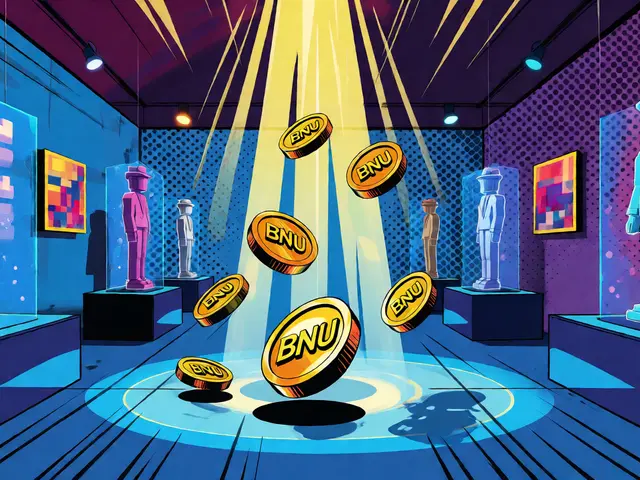
The ByteNext project launched its AvatarArt NFT Marketplace on the Binance Smart Chain, aiming to let artists trade and exhibit digital art freely. To kickstart community engagement, they ran a specific promotional event via CoinMarketCap. This wasn’t just a random giveaway; it was a structured effort to build an initial user base for their decentralized platform.
The campaign distributed a total of 25,000 BNU tokens. While that sounds like a lot, it represented only 0.0125% of the total supply. The goal was clear: get people involved, check out the platform, and hold onto the token. It was a classic "farming" strategy before farming became the complex yield-optimization game we know today.
Campaign Timeline and Rules
Timing is everything in crypto. This airdrop didn’t last forever. Here is the exact schedule participants had to follow:
- Start Date: July 3 at 2 PM UTC
- End Date: July 8 at 2 PM UTC
- Winner Announcement: July 15
- Reward Distribution: July 30
You had five days to complete the tasks. Miss the window, and you missed out. The short duration created urgency, forcing users to act quickly rather than procrastinate until the last minute.
How to Participate: Step-by-Step
To qualify for the random selection process, users couldn’t just click a button. They had to jump through several hoops designed to boost social visibility and wallet readiness. Here’s what you needed to do:
- Watchlist Action: Add BNU to your personal watchlist on the official CoinMarketCap token page.
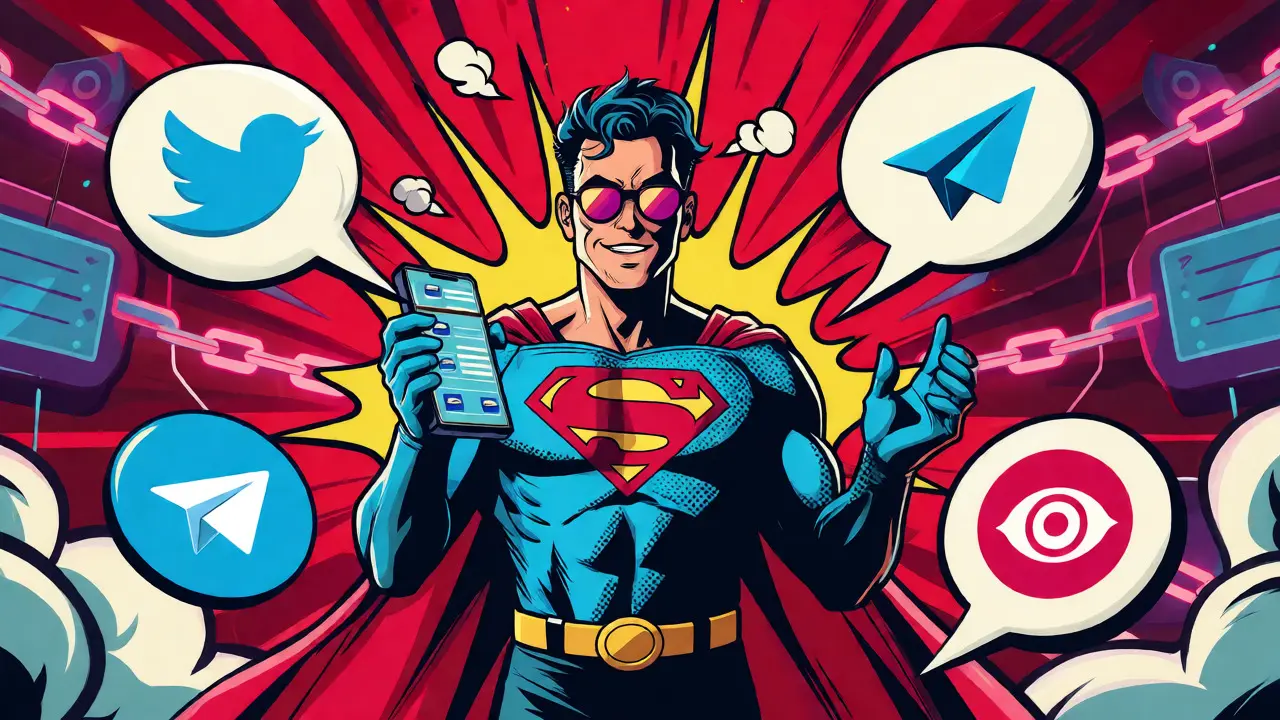
- Social Follows: Follow both ByteNext Twitter accounts (@Bytenextio and @zeusc_ventures).
- Telegram Membership: Join the official Telegram group (t.me/ByteNextOfficial) and the announcement channel (t.me/ByteNextAnnouncement).
- Retweet & Tag: Retweet the specific campaign post and tag at least five followers to spread the word.
- Wallet Prep: Ensure you had a valid Binance Smart Chain (BSC) wallet address ready for receiving the rewards.
These steps ensured that recipients were active community members, not just bots harvesting free coins. The requirement for a BSC wallet aligned perfectly with the project’s infrastructure, as BNU operates exclusively on the Binance Smart Chain network.
| Requirement Type | Action Required | Platform |
|---|---|---|
| Tracking | Add to Watchlist | CoinMarketCap |
| Social | Follow Accounts | |
| Community | Join Groups | Telegram |
| Viral | Retweet & Tag 5 Users | |
| Technical | BSC Wallet Address | Binance Smart Chain |
Who Won and How Much Did They Get?
The math here is straightforward. The project selected 1,000 winners from all qualified participants. Each winner received exactly 25 BNU tokens.
At the time of distribution, the value of these tokens was modest. However, for early adopters, holding even a small amount of a new token can feel rewarding. The selection process was random among those who completed all tasks, meaning diligence was rewarded over luck alone.
Utility of the BNU Token
Why did people want BNU in the first place? The token wasn’t just a speculative asset; it had functional roles within the AvatarArt NFT Marketplace. Here is what holders could use it for:
- Transaction Fees: Paying for trades and listings on the platform.
- Advertising: Buying placement slots in 3D virtual reality exhibitions.
- Royalties: Authorizing payments to artists upon transaction completion.
- Staking & Farming: Providing liquidity in NFT pools to earn more tokens.
- Governance: Voting on platform changes and evaluating NFT works.
This utility model aimed to create demand beyond speculation. By tying the token to actual services like VR exhibition ads, ByteNext tried to anchor its value in real-world usage.
Current Market Status: The Reality Check
Fast forward to September 2026. The hype has long since faded, and the market tells a sobering story. According to recent data from CoinGecko and Coinbase, trading activity for BNU has nearly stopped.
Here are the key metrics you need to know:
- Current Price: Approximately $0.000603 per BNU.
- Trading Volume: Dropped to under $7 in the last 24 hours across major exchanges.
- Market Cap: Around $120,584 based on a circulating supply of 200 million tokens.
- All-Time High Performance: Trading roughly 99.90% below its peak.
On Binance, the 24-hour trading volume shows zero, indicating complete inactivity on that specific platform. This lack of liquidity suggests that while the token exists, it isn’t being actively traded or held by a large, engaged community anymore.
Is ByteNext Still Active?
The project maintains an online presence with its website at bytenext.io and social media channels. However, the silence in the markets speaks volumes. There is no evidence of ongoing airdrops or new development updates driving significant price action.
The initial airdrop served its purpose as a launch mechanism, but sustaining interest requires continuous innovation and marketing. Without fresh catalysts, tokens like BNU often drift into low-volume obscurity. If you are holding BNU from that era, you might find yourself in a position where selling is difficult due to thin order books.
Lessons for Future Airdrop Hunters
What does the ByteNext case teach us about participating in similar campaigns?
- Check Liquidity First: Before spending time on tasks, see if the token has any real trading volume. Low volume means hard-to-sell rewards.
- Verify Utility: Does the token have a job? BNU had one, but adoption matters more than promises.
- Time Your Entry: Short campaigns require quick action. Set reminders if you plan to participate.
- Manage Expectations: Most airdrop rewards are small. Don’t expect life-changing money from 25 tokens unless the project explodes in popularity.
Airdrops are great for building awareness, but they don’t guarantee long-term success. The difference between a thriving ecosystem and a ghost town often comes down to post-launch execution.
How many BNU tokens did each winner receive?
Each of the 1,000 selected winners received exactly 25 BNU tokens.
Which blockchain network hosts the BNU token?
The BNU token operates exclusively on the Binance Smart Chain (BSC) network.
What was the total supply distributed in the airdrop?
A total of 25,000 BNU tokens were distributed during the campaign.
Is there still active trading for BNU?
Trading volume is extremely low, with some exchanges reporting near-zero activity in recent periods.
What platform managed the airdrop entries?
CoinMarketCap was the primary platform used to organize and manage participant entries.