Have you ever wondered what it takes to get free tokens in the crypto world? It is rarely as simple as clicking a button. With XMS, the governance token of Mars Ecosystem, the story involves specific steps, educational requirements, and strict deadlines. If you are looking for the latest XMS airdrop details, you need to know that the major campaigns have already wrapped up. But understanding how they worked helps you spot the next opportunity.
Mars Ecosystem isn't just another meme coin project. They aim to build a "New Decentralized Paradigm" for stablecoins. Think of them as trying to be the central bank for decentralized finance (DeFi). Their main product, the USDM stablecoin, tries to fix issues found in older protocols like MakerDAO. To get people involved, they launched several airdrops. Let's break down exactly what happened, who got paid, and where things stand now.
The Two Major XMS Airdrop Campaigns
There were two primary ways users could earn XMS tokens without buying them. The first was a smaller, exclusive event. The second was a massive partnership with a major data platform. Both required action on your part. You couldn't just hold funds and wait.
The initial Mars Ecosystem Airdrop targeted a small group. They distributed 50 XMS tokens to 1,000 lucky participants. This wasn't open to everyone. It felt more like a reward for early community members or those who engaged with their social channels deeply. Once this closed, many hoped for an immediate follow-up. Instead, they waited for the bigger wave.
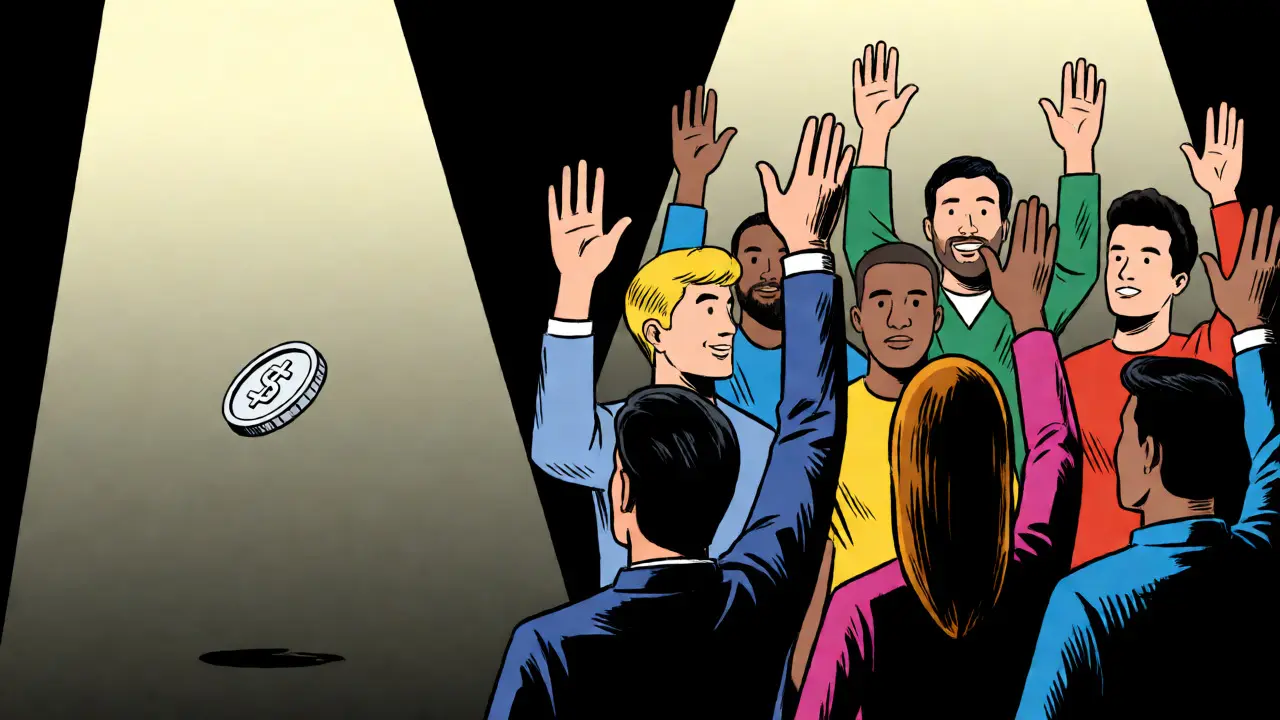
The second campaign changed the game. Mars Ecosystem partnered with CoinMarketCap for their "Learn & Earn" program. This one had a $200,000 prize pool. That sounds huge until you do the math. They planned to distribute these tokens among 40,000 winners. Each winner received approximately $5 worth of XMS. It was accessible, but it required effort. You had to watch videos and pass a quiz. No shortcuts here.
How to Qualify: Step-by-Step Requirements
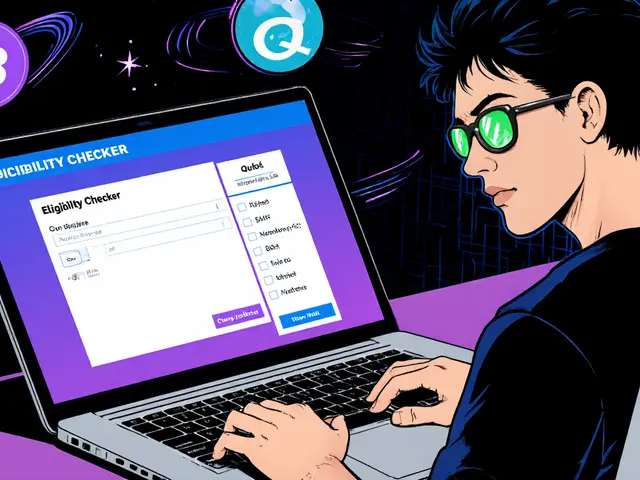
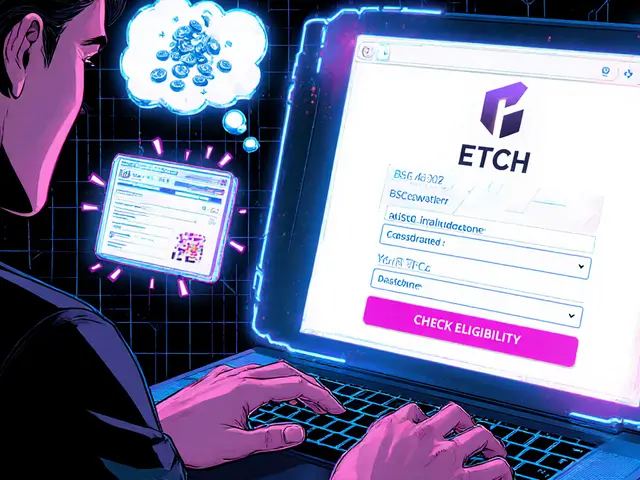
If you missed the CoinMarketCap Learn & Earn event, you might wonder what you did wrong. Or perhaps you are preparing for a future drop. Here is the checklist that defined eligibility for the largest distribution:
- Account Verification: You needed both a CoinMarketCap account and a Binance account. These accounts had to be verified.
- Educational Content: Participants had to watch specific educational videos about the Mars Ecosystem. Skipping these meant failing the quiz later.
- The Quiz: After watching, you took a test. You had to answer every question correctly. One mistake disqualified you from the reward.
- Wallet Submission: Finally, you submitted a BEP-20 wallet address. Since XMS runs on the Binance Smart Chain, Ethereum addresses wouldn't work.
This structure filtered out bots and casual clickers. It ensured that recipients actually understood what they were receiving. For a project focused on governance, having informed voters matters more than raw numbers.
Technical Backbone: Why BSC Matters
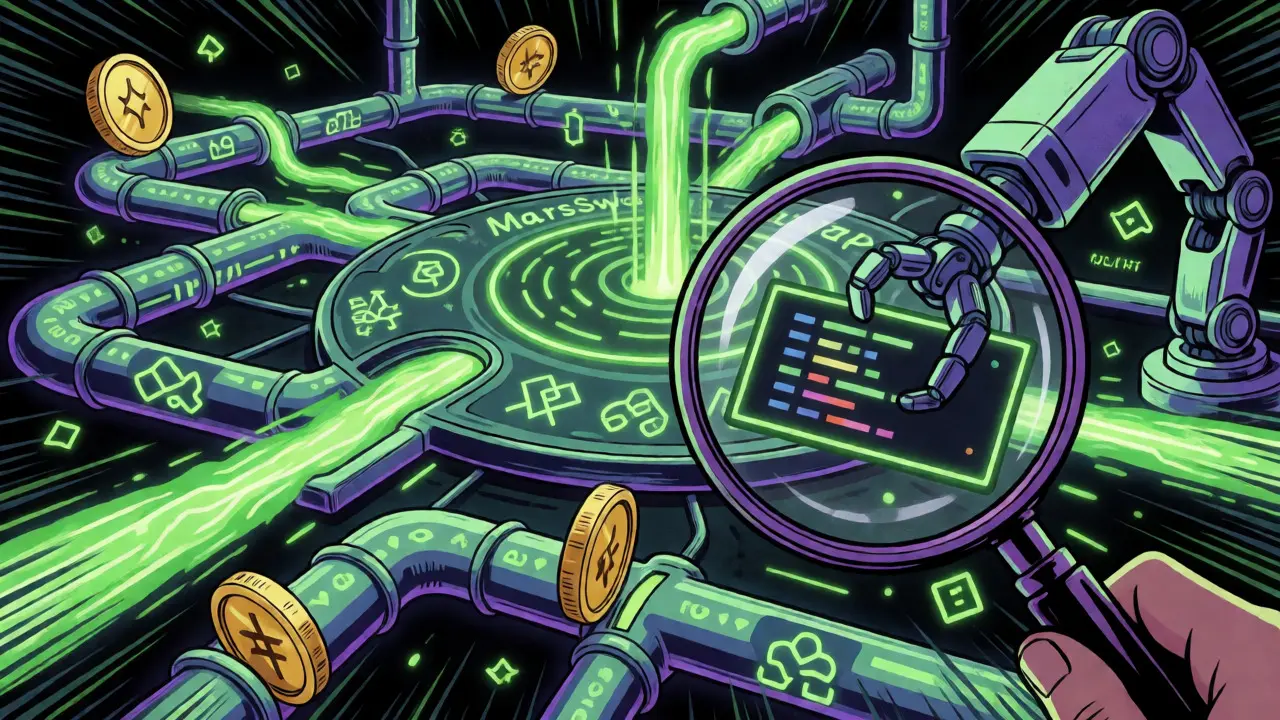
You might ask why the wallet requirement specified BEP-20. This points to the technical foundation of the project. Mars Ecosystem operates primarily on the Binance Smart Chain. This choice affects everything from transaction fees to speed.
The ecosystem includes MarsSwap, a decentralized exchange, and various other DeFi protocols. They claim to solve the "positive externality" problem in stablecoins. In simple terms, most stablecoin protocols pay high costs to maintain stability, but external traders benefit from the liquidity. Mars aims to keep that value within its own system through higher capital utilization efficiency.
Security is also a priority. They run a bug bounty program via Immunefi. Developers can earn up to $10,000 for finding vulnerabilities. The scope includes risks like malicious wallet interactions and contract address substitutions. This level of scrutiny suggests they take code integrity seriously, even if their market presence is still growing.
Current Market Reality: Price and Liquidity
Let's look at the cold hard numbers. As of September 2026, XMS trades at very low prices. Data varies slightly depending on where you look, which itself is a red flag for low liquidity.
| Metric | Binance Data | CoinMarketCap Data |
|---|---|---|
| Current Price (USD) | $0.000297 | $0.0004989 |
| 24h Change | +1.24% | N/A (Volume focus) |
| 24h Volume | Low Activity | $2,303.09 |
| Market Rank | N/A | #5575 |
Notice the discrepancy between $0.000297 and $0.0004989. This gap exists because trading volume is tiny. Only about $2,300 worth of XMS changes hands daily across tracked platforms. A single large sell order could crash the price significantly. If you bought during an airdrop, remember that selling $5 worth of tokens might move the needle, but selling $500 would be difficult without slippage.
Historical gains show some volatility. Over 30 days, the token saw a 15.68% gain. Over 90 days, it rose by 16.73%. While positive, these moves happen on a base so small that percentage swings feel exaggerated. The market cap sits around $314,755 according to CoinGecko. This places XMS deep in the long tail of cryptocurrencies, far behind giants like Bitcoin or Ethereum.
Ecosystem Utility: Beyond the Hype
Why should anyone care about XMS beyond speculation? The token grants governance rights in MarsDAO. Holders vote on protocol upgrades and treasury management. But utility extends to real-world payments too.
Mars Ecosystem partnered with MugglePay, a cryptocurrency payment service provider. This deal allows merchants to accept digital currencies more easily. By integrating USDM into MugglePay’s system, Mars pushes adoption beyond crypto traders. They want regular businesses to use their stablecoin. This strategy differentiates them from projects that only cater to yield farmers.
However, adoption remains slow. Compared to established players like Curve Finance or MakerDAO, Mars has limited brand recognition. Social media chatter is quiet. Community engagement metrics suggest fewer active discussions than top-tier DeFi projects. Without a strong community, governance participation drops, potentially leading to centralized decision-making despite the DAO label.
What Happens Next?
Both major airdrops are closed. There are no announced dates for new distributions right now. This silence could mean two things. Either the team is focusing on development and partnerships, or marketing budgets have tightened. Given the low trading volume, the latter seems plausible.
If you hold XMS, you likely received it for free or bought it cheaply. Your best move might be holding for potential ecosystem growth. If you missed the airdrop, don't chase the price. The token's current valuation reflects low demand. Wait for concrete news about new partnerships or feature launches before entering.
Keep an eye on the official website and Twitter feeds. Projects often announce surprise rewards for active users. Since the previous airdrops required education, expect similar mechanisms in the future. Stay ready with a verified Binance account and a BEP-20 wallet. That way, if another Learn & Earn opportunity arises, you won't miss out again.
Is the XMS airdrop still active?
No, the primary XMS airdrop campaigns, including the CoinMarketCap Learn & Earn program, have concluded. Tokens were distributed within three days after each event ended. Currently, there are no open public airdrops listed for new users.
What network does XMS use?
XMS is a BEP-20 token, meaning it operates on the Binance Smart Chain (BSC). When claiming airdrops or trading, you must use a compatible wallet address starting with '0x' and ensure your wallet supports BSC assets.
Why is the XMS price inconsistent across exchanges?
The price discrepancies stem from extremely low trading volume, often under $3,000 per day. With such thin liquidity, small buy or sell orders can cause significant price variations between platforms like Binance and CoinMarketCap.
Can I still earn XMS through staking?
Yes, Mars Ecosystem offers staking opportunities through MarsSwap and other protocol integrations. Staking USDM or providing liquidity can generate XMS rewards, though yields vary based on total value locked and market conditions.
What is the purpose of MarsDAO?
MarsDAO is the governance body for the Mars Ecosystem. XMS holders use their tokens to vote on proposals regarding protocol upgrades, fee structures, and treasury allocations, ensuring decentralized control over the project's direction.