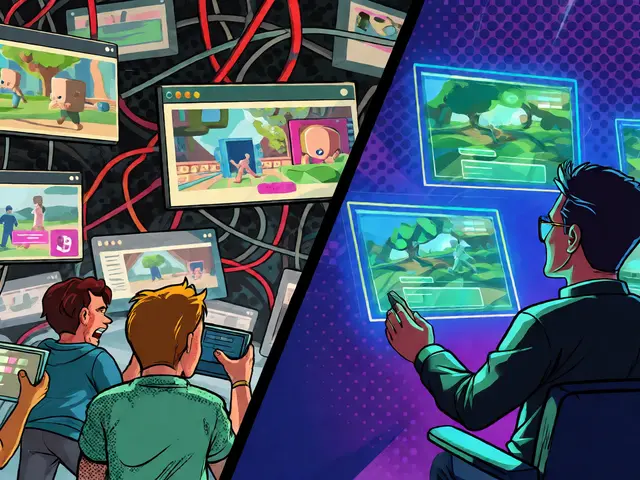
Imagine playing three different video games in a single afternoon. In the traditional world, you’d need separate accounts, different wallets, and likely pay micro-transactions fees for every item you buy. Now imagine doing all that with one wallet, zero gas fees, and instant transactions across all three games. That’s the promise of B3, a new Layer 3 blockchain ecosystem designed specifically for Web3 gaming. If you’ve seen the ticker $B3 popping up on your feed or heard chatter about "Base" gaming infrastructure, you’re probably wondering: what is it, does it have value, and is it just another hype train?
This isn’t just another token looking for a use case. B3 is built by former Coinbase insiders who saw a massive gap in how blockchain games actually work. They realized that while Ethereum is secure, it’s too slow and expensive for casual gamers. So, they built something on top of Coinbase’s Base network to fix that. Let’s break down exactly what B3 is, how its tech works, and whether it stands a chance against giants like Immutable X.
The Problem B3 Solves in Web3 Gaming
If you’ve ever tried to play a blockchain game, you know the friction. You download a wallet, bridge funds from one chain to another, wait ten seconds for a transaction to confirm, and then realize you spent more on gas than the sword you just bought. This friction kills mainstream adoption. Most people don’t care about decentralization; they care about fun and speed.
NPC Labs, the team behind B3, identified this as the primary barrier to entry. Founded by Max Weisel, former Head of Product at Coinbase Base, and Alex Taub, co-founder of The Trust Machine, the team understood that gamers wouldn’t tolerate complex crypto mechanics. Their solution was a horizontally scaled architecture that settles transactions on Base, inheriting Ethereum's security while dramatically reducing costs.
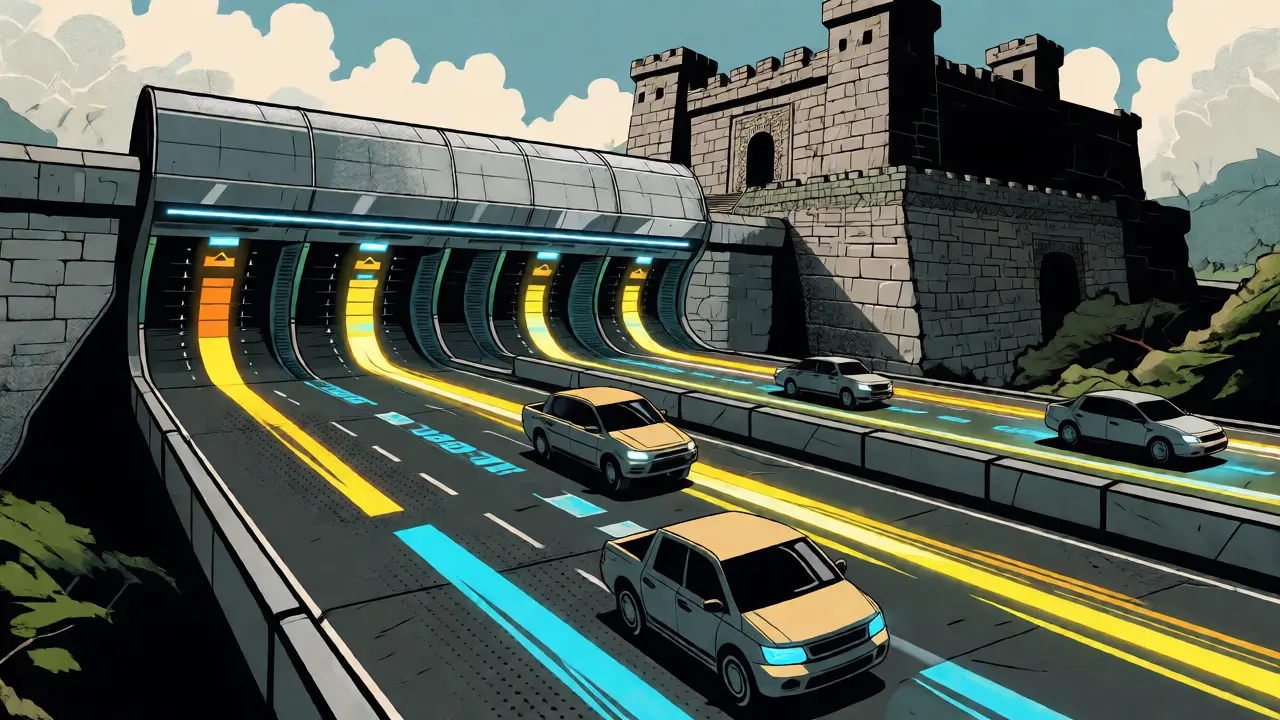
Think of it this way: Ethereum is the main highway. It’s safe but congested. Base is an express lane next to it. B3 is a series of dedicated off-ramps and local roads connected to that express lane, specifically paved for gaming traffic. By settling on Base, B3 gets Ethereum’s security without Ethereum’s price tag. According to technical assessments from RootData, this setup allows for approximately 4,000 transactions per second with finality times under two seconds. That’s fast enough for real-time gameplay, which is where most other blockchains fail.
How the Technology Actually Works
You don’t need to be a developer to understand why this matters, but knowing the stack helps you see if it’s legit. B3 isn’t a standalone Layer 1 blockchain like Bitcoin or Solana. It’s a Layer 3 rollup built on Base, which itself is a Layer 2 on Ethereum.
Here’s the flow:
- Game Action: You click "buy potion" in a game running on B3.
- L3 Processing: The B3 network processes the transaction instantly using Optimism’s OP Stack technology, modified for gaming needs.
- Settlement: The batch of transactions is sent to Base for settlement.
- Security: Base ensures the data is valid and posts it back to Ethereum.
The magic ingredient here is chain abstraction. In plain English, this means you don’t need to manage multiple wallets or bridges. Your assets live in one place, accessible across any game built on the B3 network. This solves the interoperability problem that has plagued Web3 gaming for years. Instead of having your NFT sword stuck in one game’s ecosystem, it can potentially move to another, provided the developers integrate with B3’s standards.
The ecosystem also includes "GameChains," which are customizable Layer 3 chains for individual developers. If a studio wants their own dedicated space with specific rules, they can spin up a GameChain that still talks to the rest of the B3 network. Plus, there’s Basement.fun, a discovery platform that aggregates these games so you aren’t hunting around random Twitter threads to find what’s playable.
Tokenomics: Supply, Unlocks, and Utility
Let’s talk numbers, because this is where many investors get burned. As of late 2025, the total supply of B3 is fixed at 100 billion tokens. At launch in February 2025, only about 19% of the supply was unlocked. By December 2025, circulation sat at roughly 31.37%, according to Dropstab.
Why does this matter? Because supply shocks happen when large amounts of tokens unlock. If early investors and the team start selling into a thin market, the price drops. B3 faces monthly unlocks, including significant releases scheduled through late 2025 and into 2026. For example, September 2025 saw an unlock worth over $1.5 million at prevailing prices. If demand doesn’t keep pace with these unlocks, price pressure builds.
| Metric | B3 (Base) | Immutable X (IMX) | Gala Games (GALA) |
|---|---|---|---|
| Network Type | Layer 3 Rollup on Base | Layer 2 on Ethereum | Layer 1 / Sidechain |
| Avg Transaction Cost | $0.0003 | $0.005 | Variable |
| Primary Focus | Interconnected Gaming Economy | NFT Marketplace & Minting | Player-Owned Nodes |
| Market Cap Rank (Approx.) | #873 | #73 | #228 |
The token serves four main purposes: governance, in-game transactions, developer tool access, and staking rewards. However, critics like Diar Research noted in March 2025 that only 12% of current token utility was actively used in live games. This is a red flag. A token needs real demand from players spending it, not just speculators holding it.
Comparison: B3 vs. The Rest of the Field
You might ask, "Why B3 instead of Polygon or Immutable?" It comes down to the user experience. Polygon is great for general DeFi and NFTs, but it’s not optimized for the high-frequency, low-value transactions typical in gaming. Immutable is excellent for minting NFTs but feels heavy for actual gameplay loops.
B3 adopts a "publisher-style" model similar to Tencent or EA. NPC Labs invests in promising game projects and shares in their success. This contrasts with Immutable’s marketplace approach. If you’re a developer, B3 offers lower barriers to entry. The SDK documentation rates highly among developers (4.1/5 on GitHub), and the learning curve for experienced Web2 devs is estimated at just 2-3 weeks.
However, B3 lags in liquidity and exchange support. As of December 2025, it’s primarily traded on Coinbase, Bybit Futures, and Aerodrome. You won’t find it everywhere yet. This limits accessibility for retail investors outside major hubs. Additionally, while B3 excels at interconnected experiences, it struggles with standalone games that don’t need cross-game asset portability. For those, simpler solutions often suffice.
Risks and Realities: What Could Go Wrong?
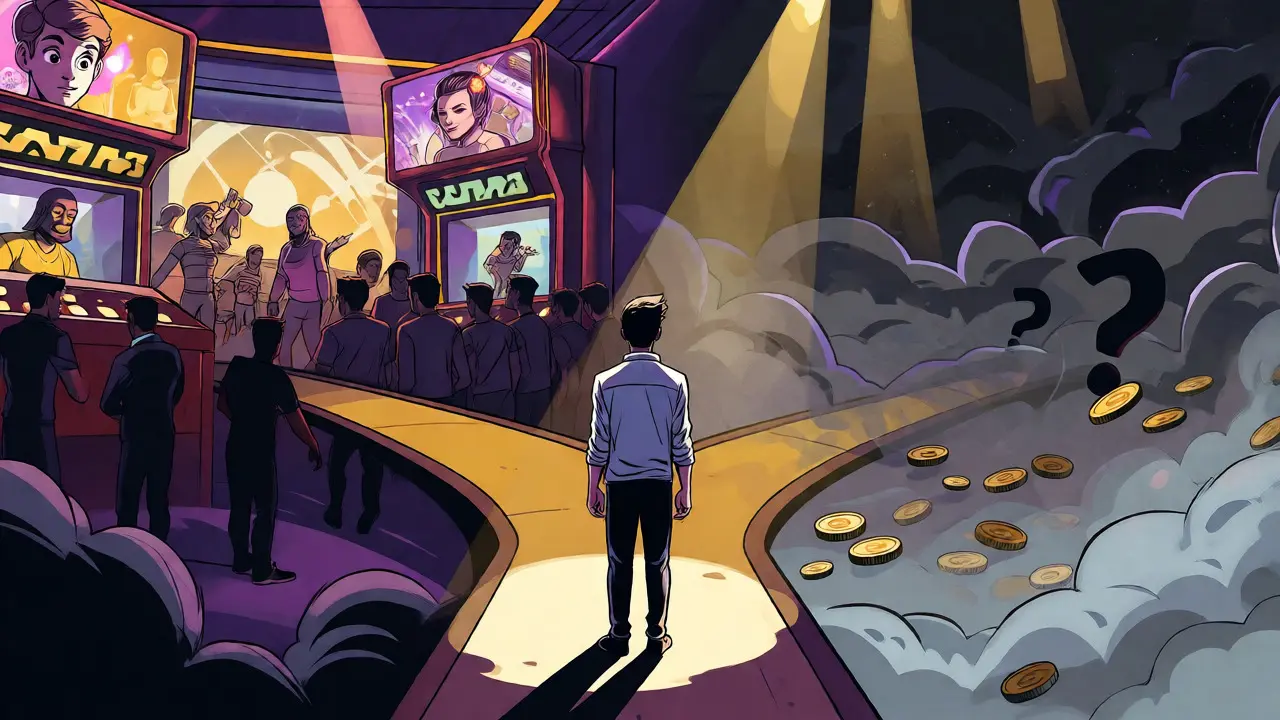
No crypto project is risk-free, and B3 has specific vulnerabilities. First, it depends entirely on the health of the Base network. If Base gets congested or suffers an outage, B3 games halt. Second, regulatory scrutiny is increasing. The SEC issued guidance on play-to-earn models in November 2025, creating uncertainty for tokens tied directly to gameplay rewards.
Then there’s the content gap. User feedback on Reddit and Twitter highlights a common complaint: "Where are the AAA games?" As of late 2025, B3 hosts about 17 integrated games with 87,400 monthly active users. While growing, this is a tiny fraction of the broader gaming market. Major studios like Ubisoft are watching from the sidelines. Until a blockbuster title launches on B3, adoption will remain niche.
Messari rated B3’s tokenomics as "high risk" due to concentrated unlocks. Their projection suggests that unless daily active users hit 500,000 by Q2 2026, the token price faces downward pressure. Currently, it’s nowhere near that number. Delphi Digital echoes this, noting that long-term viability depends on retaining players beyond initial token incentives. If the games aren’t fun without the crypto layer, the economy collapses.
Final Verdict: Who Should Care About B3?
B3 is a sophisticated piece of infrastructure solving a real problem: making blockchain invisible to gamers. If you believe Web3 gaming will eventually go mainstream, B3 is one of the strongest contenders for the underlying plumbing. Its connection to Coinbase via Base gives it credibility and potential distribution channels that smaller competitors lack.
But is it a good investment right now? That depends on your timeline. Short-term traders should watch the unlock schedule closely-volatility is guaranteed. Long-term believers need to monitor game adoption metrics, not just token price. Look for increases in Monthly Active Users (MAU) and the launch of high-quality titles on Basement.fun. If those numbers climb, the token has a foundation. If they stagnate, it’s just another speculative asset waiting for a catalyst.
Is B3 the same as Coinbase Base?
No. Base is a Layer 2 scaling solution for Ethereum created by Coinbase. B3 is a Layer 3 application-specific chain built on top of Base, focused exclusively on gaming. Think of Base as the highway and B3 as a dedicated gaming toll road on that highway.
Can I play B3 games without a crypto wallet?
Currently, you generally need a compatible EVM wallet, but B3 uses chain abstraction to make this seamless. You don't need to manually bridge funds or switch networks constantly. The goal is to make the wallet feel like a standard login method, though full fiat on-ramps are still rolling out.
Who founded NPC Labs?
NPC Labs was founded by Max Weisel, the former Head of Product at Coinbase Base, and Alex Taub, co-founder of The Trust Machine. Their background in both Coinbase infrastructure and decentralized finance heavily influenced B3's design philosophy.
What is Basement.fun?
Basement.fun is the official discovery platform for the B3 ecosystem. It aggregates all games built on the B3 network, allowing users to browse, filter, and launch games directly from their browser without needing specialized software.
Is B3 a good long-term hold?
It carries higher risk than established Layer 1s. Success depends on whether B3 can attract AAA game studios and achieve significant daily active user growth. Analysts suggest it needs 250k-500k DAUs by mid-2026 to justify current valuations. Monitor adoption metrics before investing heavily.