Remember the wild west of early 2022? The market was hot, gas fees were screaming, and every other day brought a new Lunar Crystal NFT airdrop promising passive income and magical experiences. If you were hunting for free assets on Binance Smart Chain, you likely stumbled upon Lunar. They promised to revolutionize how we interact with crypto through their LNR token. But today, in August 2026, where is it all? This isn't just a nostalgia trip; it's a case study in how quickly hype evaporates when documentation vanishes.
The Promise: Passive Earnings and Magical Experiences
Lunar positioned itself as a DeFi ecosystem designed to bring the "next billion humans" into crypto. Their pitch was simple: hold the LNR token, earn passive rewards, and enjoy a seamless interface. The Lunar Crystal NFT campaign, launched around March 1, 2022, was the hook. Participants were told they’d get at least one NFT for engaging with the project. It sounded easy. You connect your wallet, follow some social media accounts, maybe link a CoinMarketCap account, and boom-free digital art that supposedly had utility within the Lunar ecosystem.
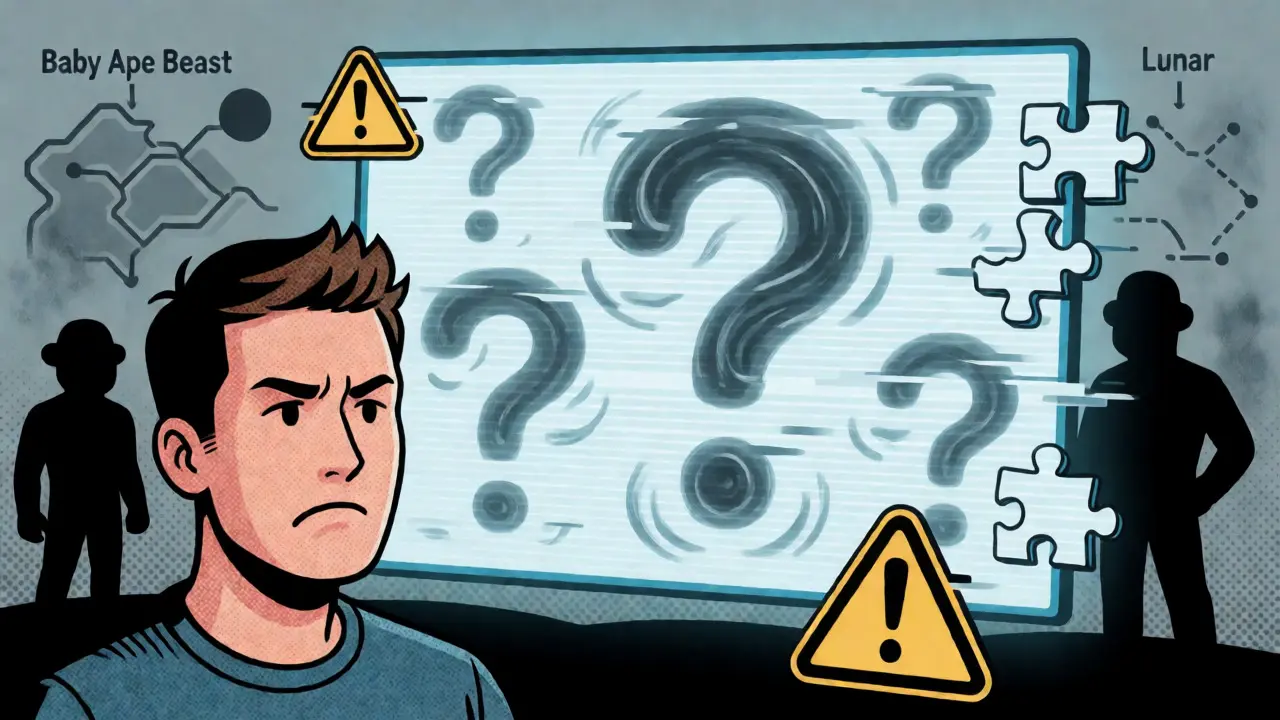
But here’s the catch that became obvious in hindsight: the technical details were murky. While competitors like Baby Ape Beast offered clear roadmaps and specific trait counts, Lunar remained vague. Was there a smart contract address? What was the metadata standard? How many crystals existed? The answers weren’t readily available in whitepapers or GitHub repositories. For experienced crypto users, this silence was a red flag. For newcomers, it was an invitation to gamble on a brand name without understanding the mechanics.
Participation Mechanics: The CoinMarketCap Connection
The primary channel for claiming these rewards was often cited as integration with CoinMarketCap. In 2022, leveraging CMC’s MISO platform or similar partnerships gave projects instant credibility. Users assumed that if a project was listed on CMC, it was vetted. The process typically involved connecting a BSC-compatible wallet like MetaMask or Trust Wallet, completing social verification tasks, and waiting for the drop.
Unlike well-documented campaigns such as the Luna dating platform’s LSTR airdrop, which provided step-by-step Telegram bot instructions, Lunar’s workflow lacked procedural clarity. Did you need to stake LNR first? Were there gas fee caps? These questions went unanswered. The lack of detailed tutorials meant that while participation might have been technically possible, the user experience was fragmented. Many potential participants likely dropped off because they couldn’t verify the legitimacy of the claim process in real-time.
| Feature | Lunar Crystal (LNR) | Baby Ape Beast (BAB) | Typical BSC Airdrop |
|---|---|---|---|
| Blockchain | Binance Smart Chain | Binance Smart Chain | Varies (ETH/BSC/Solana) |
| Accessibility | Broad (CMC integration) | VIP Tiered + Public Mint | Social Tasks Required |
| Transparency | Low (No public docs) | High (Roadmap published) | Moderate |
| Utility Claim | Passive Earnings | 3D Assets + Access | Speculative Value |
| Current Status (2026) | Inactive/Pivoted | Active Community | Most Abandoned |
The Technical Vacuum: Where Are the Docs?
A quick search for Lunar’s technical architecture reveals a stark absence of data. There is no verifiable consensus mechanism documentation, no tokenomics breakdown for the LNR supply, and no security audits from firms like CertiK or OpenZeppelin. Compare this to modern standards where even small projects publish audit reports before launch. In 2022, the bar was lower, but Lunar’s opacity stood out even then.
The NFT collection itself remains a mystery. What did the crystals look like? How rare were they? Without a verified marketplace listing or a comprehensive explorer page, assessing their current value is nearly impossible. Most BSC-based NFTs from that era suffered from low liquidity, but Lunar’s situation is extreme due to the lack of initial transparency. If you held onto a Lunar Crystal NFT hoping for a moonshot, you’ve likely been holding a ghost asset for four years.
Why Did It Fade Away?
The disappearance of Lunar from the radar wasn’t sudden; it was gradual neglect. By late 2023, the official website shifted focus entirely away from NFTs and LNR tokens. The messaging changed to generic Web3 "joy" and "everyday experiences," dropping specific references to the crystal campaign. This pivot suggests two possibilities: either the project rebranded completely, abandoning the old token model, or it simply ran out of marketing budget and community interest.
Industry analysts noted that Q1 2022 saw over 127 documented NFT airdrops. Only a fraction survived the bear market. Projects that didn’t deliver consistent updates or tangible utility were left behind. Lunar failed to establish a secondary market or a dedicated Discord community that could sustain momentum. Without active engagement, the token price collapsed, taking the perceived value of the NFTs down with it.
Lessons for Today’s Airdrop Hunters
If you’re looking back at Lunar to inform your strategy for 2026 airdrops, take note. Hype doesn’t equal sustainability. Here’s what separates winners from ghosts:
- Documentation is King: If a project can’t show you a GitHub repo or a live dashboard, walk away. Lunar’s lack of public code was a fatal flaw.
- Community > Marketing: Lunar relied on CMC listings. Successful projects build organic communities on Discord and Twitter who stick around after the freebie is claimed.
- Utility Must Be Proven: "Passive earnings" is a buzzword unless backed by a working yield farm or staking pool. Check if the APY is sustainable before believing it.
Don’t let the promise of "free money" blind you to structural weaknesses. The Lunar Crystal NFT story is a reminder that in crypto, if you can’t find the information, the project probably isn’t worth your time.
Frequently Asked Questions
Is the Lunar Crystal NFT still valuable in 2026?
Likely negligible. Due to the project's abandonment and lack of secondary market activity, most Lunar Crystal NFTs trade near zero floor price, if they trade at all. There is no active community driving demand.
Can I still claim the Lunar airdrop?
No. The campaign ended in 2022. The links are dead, and the distribution contracts are inactive. Current claims of "new" Lunar airdrops are likely scams using the old name.
What happened to the LNR token?
The LNR token lost its utility and liquidity post-2022. It is no longer actively traded on major exchanges, and the team pivoted away from the original DeFi model described in their early announcements.
Was Lunar a scam?
Not necessarily a malicious scam, but a "soft rug." The team likely stopped development rather than stealing funds directly. However, the lack of transparency and abandoned promises fit the pattern of many short-lived hype cycles.
How do I spot a similar project now?
Check for an active GitHub, recent developer commits, and transparent tokenomics. If a project relies solely on social media hype without technical proof, treat it with skepticism.