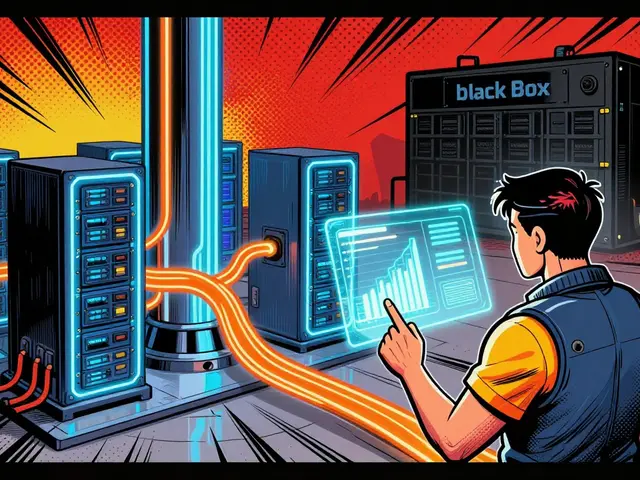
Missing out on the DMEX Global airdrop is a mistake many miners are making right now. While everyone chases the latest meme coin or AI narrative, Decentralized Mining Exchange is quietly building one of the most robust infrastructure layers for cloud mining. The DMC token airdrop isn't just free money; it’s an early entry point into a protocol that aims to solve liquidity and transparency issues in the global mining sector.
If you have ever rented hash power, managed a mining rig, or simply watched your electricity bill spike during winter, this project speaks directly to your pain points. But here is the catch: airdrops like DMEX’s are not random giveaways. They require specific on-chain actions, consistent participation, and strict adherence to snapshot dates. This guide breaks down exactly what you need to do to qualify for the DMC token distribution, how to verify your eligibility, and the technical steps to secure your claim before the window closes.
What Is DMEX and Why Does It Matter?
To understand the value of the DMEX airdrop, you first need to understand the problem it solves. Traditional cloud mining has long been plagued by opacity. Users buy contracts from centralized companies with no way to verify if the hash rate actually exists or if the payouts are accurate. DMEX (Decentralized Mining Exchange) changes this by creating a peer-to-peer marketplace where miners can rent out idle hash power directly to investors.
The platform uses smart contracts to automate payments and ensure that every terahash per second (TH/s) is accounted for. The native utility token, DMC, acts as the medium of exchange within this ecosystem. It is used to pay for mining contracts, stake for governance rights, and cover transaction fees. By participating in the early stages, users help bootstrap liquidity and network security, which is why the team rewards them with an airdrop.
| Feature | Traditional Cloud Mining | DMEX (Decentralized Mining Exchange) |
|---|---|---|
| Transparency | Low (Black box operations) | High (On-chain verification) |
| Payouts | Monthly via fiat or crypto | Real-time via smart contracts |
| Governance | Centralized company decisions | DAO-based voting with DMC tokens |
| Risk Profile | High (Platform insolvency risk) | Medium (Smart contract risk) |
Eligibility Criteria: Who Qualifies for the DMC Airdrop?
Not every wallet gets a share. The DMEX Global airdrop targets active participants who demonstrate genuine interest in the mining ecosystem. Based on the project’s whitepaper and community announcements, there are three primary tiers of eligibility. You don’t need to hit all of them, but the more criteria you meet, the larger your potential allocation.
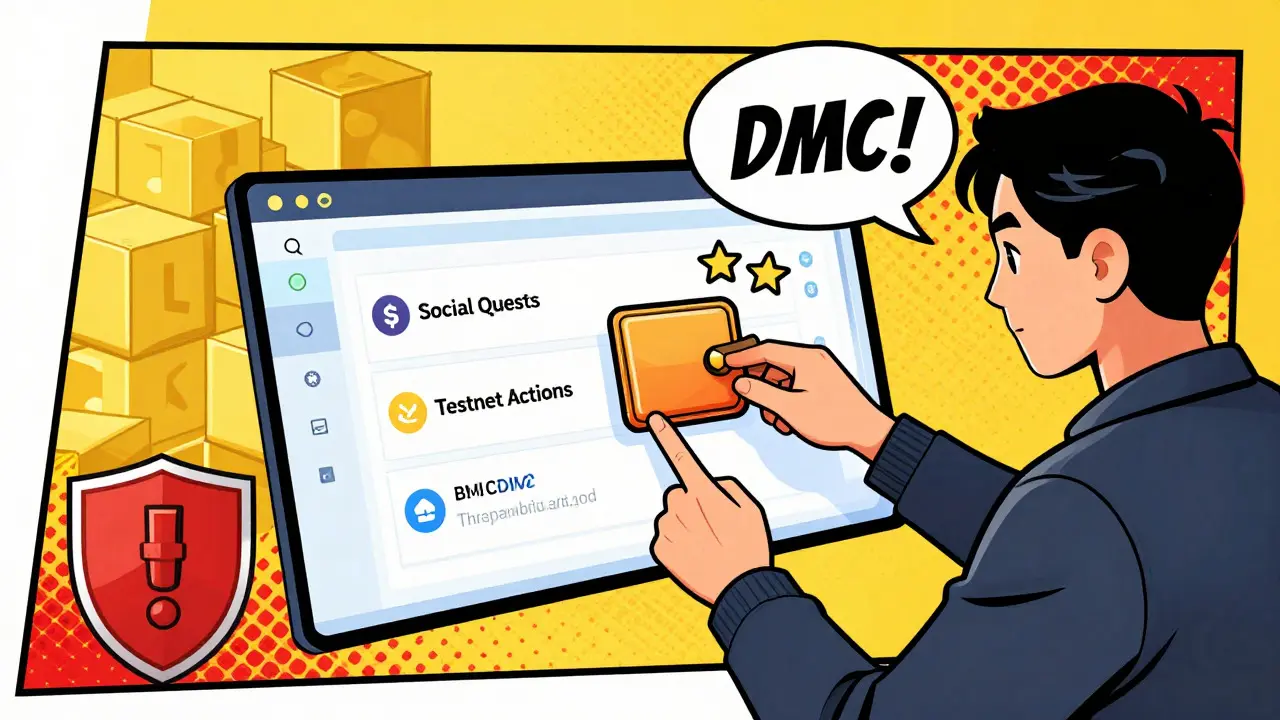
- Early Social Followers: Joining the official Discord and Telegram channels before the designated snapshot date. Simply joining isn’t enough; you often need to hold a specific role or badge, which usually requires completing basic tasks like introducing yourself or sharing content.
- Testnet Participants: Interacting with the DMEX testnet dApp. This involves connecting your wallet, renting fake hash power, and staking test tokens. These actions prove you understand the user interface and are likely to use the mainnet.
- Mainnet Beta Users: If you’ve already deployed small amounts of capital on the live beta version of the exchange, your historical data is being tracked. Consistent usage over a period of time (e.g., 30+ days) weighs heavily in the scoring algorithm.
A common pitfall is using multiple wallets to game the system. DMEX employs sybil resistance mechanisms that link wallets through IP addresses, device fingerprints, and transaction patterns. One clean, active wallet is far more valuable than ten dormant ones.
Step-by-Step Guide to Maximizing Your Airdrop Allocation
Time is ticking. If you haven’t started yet, follow these steps immediately to boost your score. Remember, the snapshot date is critical-any action taken after the block height is recorded will not count.
- Connect Your Wallet: Use a non-custodial wallet like MetaMask or Rabby. Ensure you are on the correct network (likely Ethereum Mainnet or a Layer 2 like Arbitrum/Optimism depending on current deployment). Never connect a wallet holding your life savings to a new dApp.
- Verify Social Presence: Link your Twitter and Discord accounts within the DMEX dashboard. Look for a "Quest" or "Mission" tab where you can complete social tasks. Screenshot your completion for personal records.
- Interact with the Protocol: If the testnet is live, perform at least three distinct actions: deposit funds, rent hash power, and withdraw earnings. If only the mainnet beta is available, make small transactions to establish a history. Volume matters less than consistency.
- Stake Early: If the staking module is open, lock up some assets. Stakers often receive a multiplier on their airdrop points because they provide immediate liquidity to the platform.
- Check Your Points Dashboard: Most modern airdrops have a public leaderboard or private points tracker. Log in regularly to see if your actions are being registered correctly. If you’re stuck at zero points, check the FAQ or support channels immediately.
Understanding the Token Distribution Model
How much DMC will you actually get? While exact multipliers are rarely disclosed until post-snapshot analysis, we can look at standard industry practices for projects like DMEX. Typically, 10-15% of the total token supply is reserved for community incentives and airdrops.
The distribution is usually weighted. For example:
- Social-only participants might receive a base amount (e.g., 100-500 DMC).
- Testnet users could see a 2x-5x multiplier based on activity depth.
- Beta traders/miners might receive allocations proportional to their volume and tenure, potentially ranging from thousands to tens of thousands of tokens.
Cliff vesting is another factor. Unlike instant unlocks, many airdrops release tokens gradually over 6-12 months. This prevents immediate sell-offs and encourages long-term holding. Check the tokenomics section on the DMEX website to see if DMC has a linear vesting schedule or a cliff period.
Common Mistakes to Avoid
I’ve seen too many people lose out due to simple errors. Here is what to watch out for:
- Ignoring Gas Fees: On networks like Ethereum, interaction costs can be high. Use Layer 2 solutions if supported to keep costs low while maintaining eligibility.
- Falling for Scams: There are dozens of fake DMEX websites and Discord bots. Always double-check URLs. The official site should be linked from their verified Twitter account. Never share your seed phrase.
- Waiting Too Long: Airdrop windows are short. Some phases last only 48 hours. Set calendar reminders for key dates announced in the official newsletter.
- Neglecting Tax Implications: In many jurisdictions, including the UK and US, airdropped tokens are considered taxable income at fair market value upon receipt. Keep records of the price of DMC on the day you claim it.
How to Claim Your DMC Tokens
Once the snapshot is taken and the smart contract is deployed, the claiming process is straightforward but time-sensitive. You will typically need to visit the official DMEX claims portal and connect your eligible wallet.
The system will display your calculated allocation. Review it carefully. If the number looks wrong, there is usually a dispute window where you can submit proof of additional activities. Once confirmed, click "Claim." This triggers a transaction on the blockchain. Wait for confirmation, then add the DMC token address to your wallet to view your balance.
After claiming, decide your strategy. Will you hold for governance? Stake for yield? Or sell a portion to recoup gas costs? Diversifying your approach mitigates risk in the volatile crypto market.
Future Roadmap and Long-Term Value
The airdrop is just the beginning. DMEX plans to integrate with major mining pools and expand its geographic reach in late 2026. Future updates may include cross-chain compatibility, allowing miners from Bitcoin, Litecoin, and other Proof-of-Work chains to participate seamlessly. Keeping an eye on the development blog will give you insights into when new features launch, which often correlates with price movements.
Is the DMEX airdrop free?
Yes, the airdrop itself is free. However, you may need to pay small gas fees to interact with the testnet or mainnet beta to qualify. These costs are usually minimal, especially if using Layer 2 networks.
When is the DMEX snapshot date?
The exact snapshot date varies by phase. Check the official DMEX Discord announcements channel for the most up-to-date block height information. Historically, snapshots occur weekly or bi-weekly during the campaign period.
Can I use multiple wallets to increase my airdrop?
Technically yes, but DMEX uses sybil detection algorithms. If your wallets are linked via IP or behavior, they may be merged or disqualified. It is safer to focus on deep engagement with one primary wallet.
What happens if I miss the claim window?
Unclaimed tokens are typically returned to the treasury or burned. Make sure to set alerts for the claiming period, which usually lasts 30-90 days after the snapshot.
Is DMC a good investment long-term?
That depends on the success of the DMEX platform. As a utility token, its value is tied to the volume of mining contracts traded and staked on the exchange. Research the team’s track record and adoption metrics before making any financial decisions.