Living with inflation that can erode savings overnight changes how you view money. For many Iranians, Cryptocurrency is not just a speculative asset; it is a survival tool. But navigating the legal landscape in Iran feels like walking through a minefield where the rules shift every few months. The situation in 2026 is complex: trading and mining are technically legal, but only if you follow strict government protocols. Miss a step, and you risk fines, seized hardware, or worse.
The core tension here is simple. The government wants to control the flow of capital to prevent sanctions evasion and protect the power grid, while citizens need digital assets to hedge against currency devaluation. This article breaks down exactly what is allowed, who regulates it, and the specific traps you must avoid to stay on the right side of the law.
Key Takeaways
- Trading is legal but restricted: You must use exchanges licensed by the Central Bank of Iran (CBI).
- Mining requires a license: Unlicensed mining is illegal, and the government actively seizes unauthorized equipment.
- Taxes are now enforced: Capital gains tax on crypto profits began phased implementation in late 2025.
- Stablecoin shifts matter: Recent restrictions on USDT have pushed users toward DAI on the Polygon network.
- Power consumption limits apply: Legal miners pay export-level electricity rates, not subsidized domestic prices.
The Regulatory Authority: Who Is in Charge?
Before you buy your first coin or set up a mining rig, you need to know who holds the power. In early 2025, President Masoud Pezeshkian issued a directive establishing the Central Bank of Iran (CBI) as the sole authority for regulating the "ramzpol" (digital currency) market. This means there is no independent regulatory body; the CBI has direct, unrestricted access to all data, statistics, and records related to crypto activities.
This centralization was formalized under Executive Order 2025-01. The CBI doesn't just watch the market; it controls entry. All market participants-whether you are an individual trader, a business, or a miner-must secure licenses from the CBI. If you are holding or exchanging digital assets outside these approved channels, you are operating in a gray zone that the government is increasingly willing to close off. The goal is transparency. The CBI wants to see every rial-to-crypto transaction to ensure it isn't being used to smuggle value out of the country or bypass international sanctions.
Is Mining Legal? The Hardware Trap
Cryptocurrency mining was legalized in 2019, but that doesn't mean you can plug in an ASIC miner and start digging. The distinction between legal and illegal mining in Iran comes down to two things: licensing and energy costs.
To operate legally, you must obtain a license from the Ministry of Industry, Mine and Trade. By mid-2025, the government had issued over 1,000 such licenses. However, experts estimate that around 95% of mining activity remains unlicensed. Why? Because the financial burden is high. Legal miners must pay electricity tariffs pegged to export prices rather than the heavily subsidized domestic rates. This makes legal mining significantly more expensive than its illegal counterpart.
Furthermore, legal miners are required to sell their mined cryptocurrencies directly to the CBI through the National Iranian Money Changer Association (NIMA) system. Your earnings go into state revenue. If you try to sell your coins on a private exchange without going through this channel, you risk enforcement action. In August 2025, the Ministry of Energy launched a program encouraging citizens to report illegal mining farms. So far, authorities have dismantled approximately 100 unauthorized farms and seized more than 250,000 devices. The message is clear: if you want to mine, play by the official rules or expect your hardware to be confiscated.
Trading Rules and Exchange Restrictions
For the average user, trading is the most common interaction with the crypto market. Here, the Nobitex exchange dominates the landscape, handling roughly 87% of the volume in recent years. Using a CBI-approved exchange like Nobitex is your safest bet. These platforms conduct rial transactions transparently through designated accounts approved by the central bank.
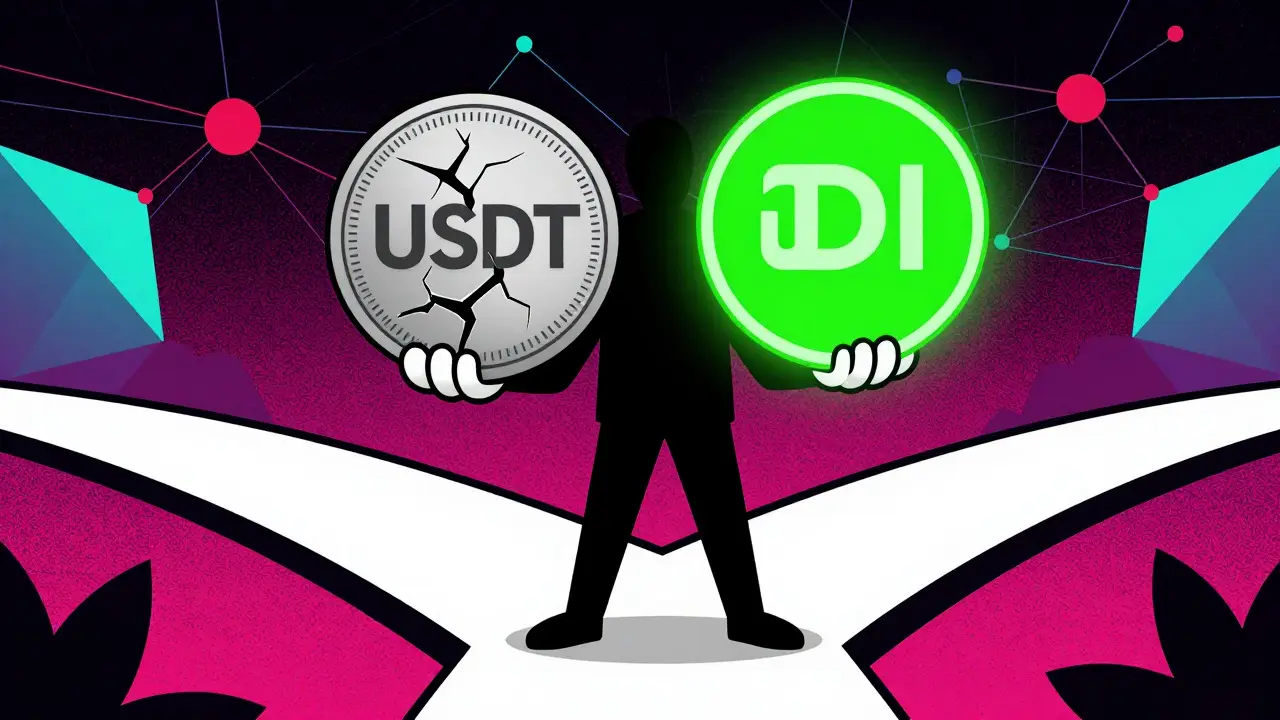
However, not all tokens are treated equally. In July 2025, Tether froze addresses with Iranian exposure, causing panic among USDT holders. The response was swift: domestic exchanges and influencers urged users to swap USDT for DAI via the Polygon network. This migration preserved liquidity despite heightened sanctions pressure. It highlights a critical rule: always check if your preferred stablecoin is currently accessible on Iranian exchanges. One day it might be standard; the next, it could be frozen due to external geopolitical pressures.
| Activity | Legal Requirements | Risks of Non-Compliance |
|---|---|---|
| Mining | License from Ministry of Industry; Pay export-rate electricity; Sell output to CBI via NIMA. | Seizure of hardware; Fines; Blacklisting from future licensing. |
| Trading | Use CBI-licensed exchanges; KYC/AML compliance; Transparent rial accounts. | Account freezes; Penalties for unreported income; Potential criminal charges. |
| Holding Assets | Register holdings with CBI-approved platforms; Adhere to reporting thresholds. | Difficulty converting to fiat; Loss of access during regulatory crackdowns. |
Taxation: The New Cost of Profit
For years, crypto profits in Iran existed in a tax vacuum. That changed in August 2025 with the enactment of the Law on Taxation of Speculation and Profiteering. This marked the first time Iran imposed a capital gains tax specifically on cryptocurrency trading. Digital assets were positioned alongside other speculative investments like gold, real estate, and forex.
The implementation is phased, beginning in Q3 2025. If you are making significant returns on your trades, you now have a compliance obligation. The government is using this tax not just to raise revenue, but to force visibility into the market. Economic Affairs Minister Hemmati praised the move, arguing that organizing the market benefits everyone, even if it adds friction. The takeaway for traders? Keep detailed records. The era of anonymous, untaxed crypto profits is ending.
Navigating Sanctions and Geopolitical Pressure
You cannot discuss Iran's crypto status without addressing international sanctions. While illicit transactions at Iranian exchanges account for just 0.9% of total activity according to TRM Labs, the perception of sanctions evasion drives much of the regulatory tightening. The government uses crypto strategically for international trade settlements to reduce the impact of dollar-based sanctions. There are even reports of collaboration with Russia on a gold-backed stablecoin for cross-border payments.
For ordinary citizens, this geopolitical backdrop creates volatility. When Tether restricts Iranian addresses, or when new sanctions packages are announced, liquidity can dry up quickly. The shift from USDT to DAI in 2025 was a direct result of this pressure. To protect yourself, diversify your stablecoin holdings and maintain access to multiple networks, particularly those less susceptible to Western jurisdiction, like Polygon or Solana, if supported by your local exchange.
Practical Steps for Staying Compliant
If you are planning to engage with the Iranian crypto market in 2026, follow these steps to minimize risk:
- Verify Exchange Licenses: Only trade on platforms explicitly listed as approved by the CBI. Check the latest list before depositing funds.
- Document Everything: With capital gains tax in effect, keep records of every buy, sell, and transfer. Use the exchange's built-in history tools if available.
- Avoid Off-Chain Deals: Peer-to-peer (P2P) trades are high-risk. The CBI wants transactions to flow through regulated channels to ensure transparency.
- Monitor Stablecoin Availability: Don't assume USDT will always work. Have a plan to swap to alternative stablecoins like DAI or USDC if restrictions tighten.
- Check Mining Regulations: If you are considering mining, calculate the cost of export-rate electricity versus potential profits. Factor in the requirement to sell output to the CBI.
The landscape is evolving rapidly. What is legal today may be restricted tomorrow. Stay informed, stick to the official channels, and treat your crypto portfolio as a serious financial instrument requiring active management, not just passive holding.
Is it illegal to hold cryptocurrency in Iran?
No, holding cryptocurrency is not illegal, provided you acquired it through legal means. However, you must ensure your source of funds is traceable and compliant with Anti-Money Laundering (AML) laws. The Central Bank of Iran monitors large holdings to prevent sanctions evasion.
Can I mine Bitcoin in Iran without a license?
Technically, yes, but it is risky. Approximately 95% of mining is unlicensed. However, the government actively enforces against unauthorized operations, seizing hardware and imposing fines. Legal mining requires a license from the Ministry of Industry and payment of higher electricity rates.
Which stablecoins are safe to use in Iran in 2026?
While USDT has faced restrictions, DAI on the Polygon network has become a popular alternative. Always verify which stablecoins are currently supported by your CBI-licensed exchange, as availability can change quickly due to external sanctions.
Do I need to pay taxes on my crypto profits?
Yes. Since August 2025, Iran has implemented a capital gains tax on cryptocurrency trading. The tax is phased in and applies to profits from speculative activities. Keeping accurate records is essential for compliance.
What happens if I use an unlicensed exchange?
You risk having your assets frozen, facing penalties for unreported income, and potentially losing access to convert your crypto back to rials. The Central Bank of Iran maintains tight control over crypto-to-rial transactions to enhance transparency, so staying within licensed channels is crucial.