
Finding a free token distribution can feel like winning the lottery, but in the world of DeFi, not all gold glitters. The Jswap airdrop is a distribution program for the JF token, the native governance asset of the Jswap.Finance decentralized exchange. While the promise of free assets is tempting, the reality of the JF token's current market state is a cautionary tale for anyone looking to dive into this ecosystem.
Quick Summary: The JF Token Outlook
- Central Goal: Distributing JF tokens to bootstrap liquidity and governance for Jswap.Finance.
- Maximum Supply: 100 million JF tokens.
- Primary Methods: Exchange-led events (MEXC, Bitget) and platform-specific challenges.
- Current Status: High risk; major trackers show near-zero liquidity and pricing.
What is Jswap.Finance and the JF Token?
To understand the airdrop, you first need to know what you're actually receiving. Jswap.Finance is a decentralized exchange (DEX) and financial management protocol that originally launched on the OKExchain. It was designed to be a "one-stop-shop" for DeFi users, offering a suite of tools from swap mining to cross-chain bridges.
The heart of this system is the JF token. This is a governance token, meaning holders are supposed to have a say in how the platform evolves. The project implemented a deflationary model, where profits from the platform are used to buy back and destroy JF tokens, theoretically increasing the value for remaining holders by reducing the circulating supply.
How the JF Airdrop Works
Unlike some airdrops that simply drop tokens into your wallet based on a snapshot, Jswap has primarily used "active" distribution methods. This means you usually have to perform a task or use a partner platform to qualify.
One of the most significant distribution events happened through the MEXC exchange. During their Kickstarter program in late 2021, users voted for the JF listing by contributing MX tokens. In exchange for this "vote," participants received free JF tokens. This method allows exchanges to gauge community interest while giving the project an initial burst of holders.
Another pathway is through the Bitget platform. Bitget has historically listed Jswap.Finance airdrop opportunities where users join specific promotional challenges. A unique feature here is that various crypto rewards earned through these challenges can often be converted directly into JF tokens, making the entry point more flexible for the average user.
The Technical Side: DeFi Features
Jswap wasn't just about the token; it built a complex set of financial tools to attract users. If you are interacting with the airdrop, you'll likely encounter these terms on their dashboard:
- Swap Mining: Users earn rewards by swapping assets on the platform.
- Liquidity Mining: Providing pairs of tokens to the pool to facilitate trades in exchange for JF rewards.
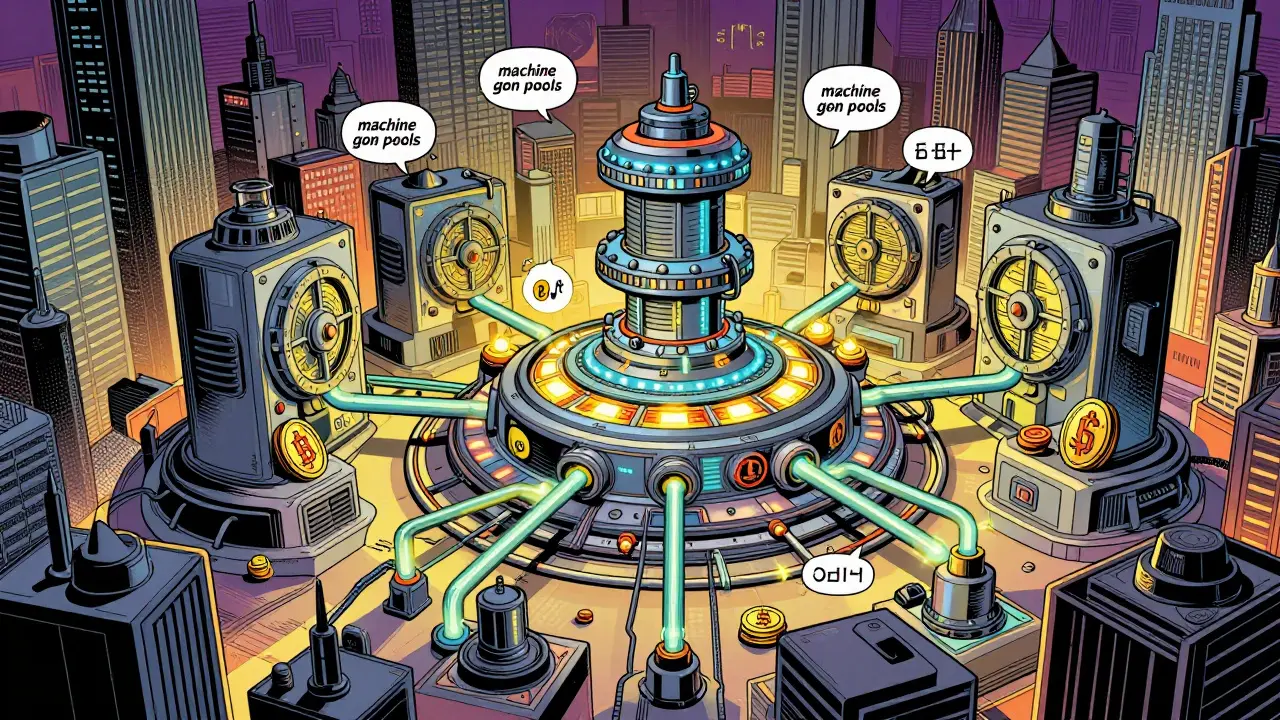
- Single Token Vaults: Often called "machine gun pools," these allow users to deposit a single asset and earn high yields without needing to provide a second matching token.
- DAO Dividends: A system where governance participants receive a share of the platform's earnings.
| Feature | Jswap (JF) | Standard DeFi Token |
|---|---|---|
| Max Supply | 100 Million | Varies (Often Billions) |
| Price Model | Deflationary (Buy-back/Burn) | Often Inflationary (Minting) |
| Primary Distribution | Exchange Kickstarters/Challenges | Staking/Liquidity Provision |
| Core Ecosystem | OKExchain Base | Ethereum/BSC/Solana |
The Red Flags: Current Market Reality
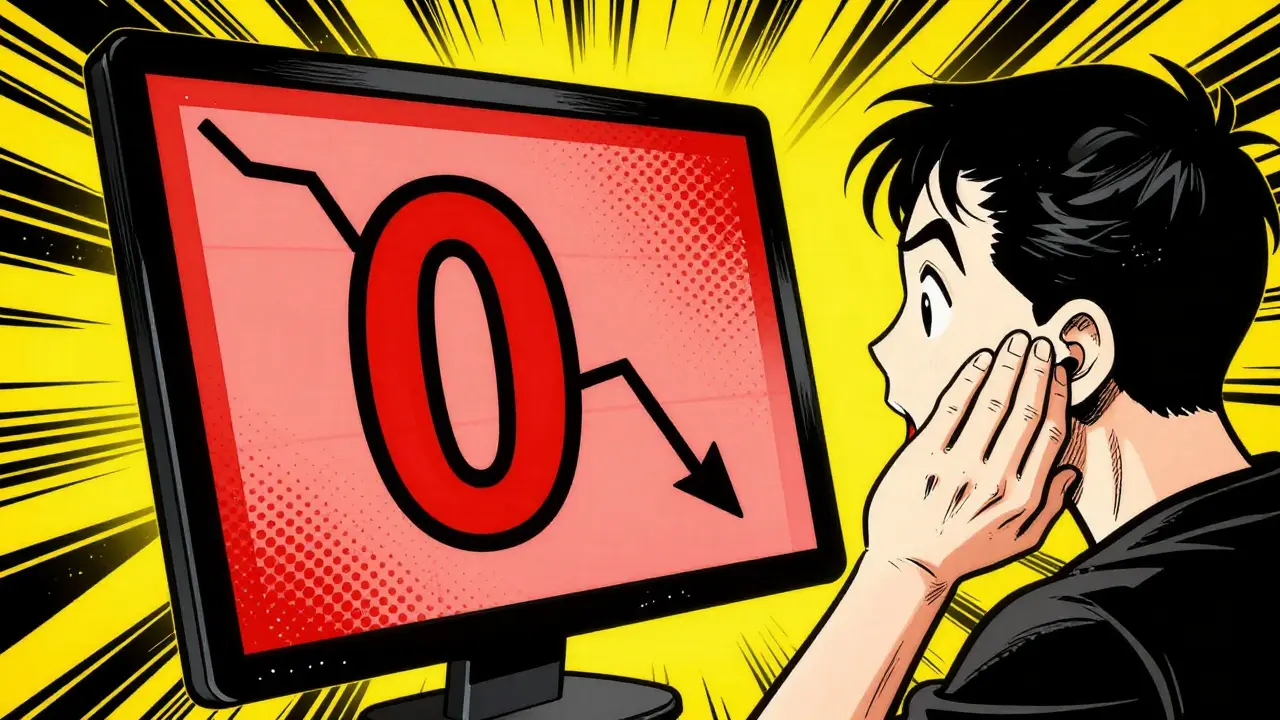
Here is where we need to be honest: the data coming from major tracking platforms is concerning. If you are hunting for a Jswap airdrop today, you must look at the current numbers. On platforms like CoinMarketCap and Binance, JF is frequently listed with a price of $0 USD.
A token price of zero usually indicates one of two things: either the price feed is broken, or there is absolutely no liquidity left in the market. For Jswap, the signs point toward the latter. Reports show 24-hour trading volumes as low as $40, which is virtually non-existent for a global exchange. When trading volume hits zero, it means you might receive tokens from an airdrop but find it impossible to sell them for actual money.
Furthermore, the "All Time High" (ATH) data for JF on some trackers is listed as "NaN" (Not a Number). This is a technical way of saying the data is too corrupted or insufficient to track. For a project that once boasted $60 million in Total Value Locked (TVL) and yields over 1,400%, this collapse in activity is a massive warning sign.
Is it Still Worth Participating?
Whether you should chase this airdrop depends on your risk tolerance. For some, it's a gamble-if the project manages a technical pivot or a new partnership, those "zero-value" tokens could potentially spike. However, for the average person, the risks heavily outweigh the rewards.
Most official exchange warnings place projects like this in the "Innovation Zone." This is code for "this could go to zero tomorrow." If you are asked to pay a "gas fee" or a "verification fee" to claim a JF airdrop from a random website, stop immediately. Real airdrops via Bitget or MEXC happen within their secure platforms; they will never ask you to send money to a private wallet to "unlock" your tokens.
How do I qualify for the Jswap airdrop?
Most JF airdrops are managed through partner exchanges. You typically need to use the Kickstarter voting system on MEXC or participate in specific promotional challenges on Bitget. Always check the official exchange announcement pages rather than third-party links.
What is the maximum supply of JF tokens?
The JF token has a fixed maximum supply of 100 million tokens, designed to create scarcity as the platform grows.
Why does the JF token show a price of $0 on some sites?
A $0 price usually indicates a total lack of trading liquidity or a failure in the price oracle (the data feed). In Jswap's case, extremely low 24-hour trading volumes suggest the token is currently illiquid.
What are "machine gun pools" in Jswap?
Machine gun pools are single-token vaults. Unlike standard liquidity pools where you need two different tokens (e.g., JF and USDT), these vaults allow you to deposit just one asset and still earn rewards.
Is Jswap.Finance safe to use?
Given the current market data showing zero liquidity and price collapses, the platform is considered extremely high-risk. Use only small amounts of capital that you are prepared to lose entirely.
Next Steps for Users
If you already hold JF tokens, your best bet is to monitor the official social channels of the exchanges where you hold them to see if there are any liquidity migration events. If you are looking for new airdrops, consider diversifying into projects with higher 24-hour trading volumes and verified smart contracts on explorers like BscScan or Etherscan.
For those who enjoy the "hunt" for tokens, remember the golden rule: if you have to pay to receive a "free" airdrop, it's not an airdrop-it's a scam. Stick to reputable exchange platforms and always verify the contract address before interacting with any new DeFi vault.

Michelle Stanish
April 20, 2026 AT 02:09It's just another dead project.
Shantal Sanjur
April 22, 2026 AT 01:52Oh sure, because a "deflationary model" always works perfectly when the devs are probably sipping cocktails on a beach with your liquidity. It's so obvious this is just a coordinated rug pull dressed up as a DEX. The zero liquidity isn't a "technical glitch," it's the endgame. Wake up people, these airdrops are just lures to get you to connect your wallets to some sketchy bridge so they can drain everything you own in one go. Classic shadow play by the big players to farm retail suckers.
Joshua Salwen
April 22, 2026 AT 20:49OMG why is nobody talking about the machine gun pools?? I tried to use one and the whole thing was a total mess!! literally the worst ux I have ever seen in my entire life!!! it's a total disaster area and we are all just pretending it's a real project lol
Yuhan Mo
April 24, 2026 AT 13:56The slippage on these pairs is absolutely astronomical. Given the current TVL depletion, any attempt to execute a swap would likely result in an MEV bot sandwiching the trade instantly. It's a textbook example of liquidity evaporation in a low-cap governance token ecosystem.
Evan Iacoboni
April 26, 2026 AT 12:23The airdrop mechanics here are basically just a marketing ploy for the exchanges to inflate their user numbers. If the token has no value, the airdrop is just spamming useless data into a wallet.
Adedamola Oyebo
April 27, 2026 AT 15:17Check the contract address on the explorer first!! Always verify the mint functions!! Be careful!!
Sandeep Bhoir
April 28, 2026 AT 12:50Wow, a token with zero value. Truly a revolutionary financial instrument. I'm sure the holders are just waiting for the magic pivot to happen any second now.
Michael Harms
April 29, 2026 AT 17:53Hey everyone, just remember to stay safe out there! If you're new to DeFi, this is a great lesson in why we always check the trading volume before jumping in. Let's keep learning together!
Jeff Barlett
April 29, 2026 AT 18:21I actually think the zero price is a signal that we're about to see a massive pump. Everyone says it's dead, and that's exactly when you buy in. It's the only way to actually make money in this market anyway.
Robert Preston
May 1, 2026 AT 05:04I've seen a lot of people lose funds to fake airdrop sites. Please, if a site asks for your seed phrase to "verify" your JF tokens, close the tab immediately. Your security is more important than a few free tokens.
Keri Pommerenk
May 2, 2026 AT 18:32thanks for the heads up on the red flags it helps a lot for the beginners
Prachi Bhadarge
May 3, 2026 AT 00:01Imagine actually thinking a "machine gun pool" is a legitimate financial strategy and not just a fancy name for "we're going to lose your money faster." Absolute comedy.
Abhinav Chaubey
May 4, 2026 AT 13:09The technical architecture of the OKExchain was always inferior to what we have in India's growing tech hubs. This project is just a failure of vision and poor execution. Simple as that.
Luke George
May 4, 2026 AT 19:41The connection between these exchange kickstarters and the centralized control of the supply is too tight. It's just a way for the exchanges to dump tokens on us while they hold the real keys. They've been doing this since 2017.
siddharth narula
May 5, 2026 AT 22:53One must contemplate the inherent void of value in such speculative assets. It is a reflection of our collective greed, masked as innovation. 🧘♂️
Tracy Sperandio
May 6, 2026 AT 00:47Let's turn this caution into a catalyst for better research! Dig deep into the whitepapers and let's find some projects that actually bring sparkling utility to the table! Stay hungry and stay sharp!
Anna Grealis
May 7, 2026 AT 06:59probably just a glitch in the oracle... or maybe the devs just vanished with the money like always... who even knows anymore lol
Sean Mitchell
May 8, 2026 AT 04:59The sheer audacity of listing this as a guide when the token is basically a digital paperweight is honestly impressive. I can't even bring myself to care about the airdrop process.
Trudy Morse
May 10, 2026 AT 00:35Value is subjective anyway. Maybe the JF token is a social experiment on patience.
Thomas Jewett
May 11, 2026 AT 06:19This is why we need real American standards for these crypto scams!! we let these foreign protocols just set up shop and steal from hardworking people because the regulations are a joke!! its a disgrace to our financial system!!
John and Lauren Busch
May 11, 2026 AT 14:07Pretty chill to just ignore the hype and wait for the dust to settle.
Gillian Kent
May 12, 2026 AT 06:00i tried to find more info on their twitter but the links are all broken... typical
Shannon Kelly Smith
May 13, 2026 AT 09:28Keep your heads up! Just use this as a learning experience to spot red flags earlier next time! 🚀🔥
Ankit Sindhu
May 15, 2026 AT 05:03If anyone is struggling to understand how to check liquidity on the explorer, feel free to ask. I'm happy to walk you through the steps so you don't get caught in another trap.
nathan jones
May 16, 2026 AT 15:04been seeing this pop up in a few groups. definitely looks sketchy.
Kevin Lư
May 17, 2026 AT 17:38honestly i just don't get why people still fall for this stuff. just give the money away at this point, right? lol
Saurav Bhattarai
May 19, 2026 AT 16:20Only a complete amateur would think a token on OKExchain had long-term viability. The arrogance of these airdrop hunters is truly breathtaking. Please, continue believing in your zero-dollar bags while the rest of us trade real assets.
Karen Mogollon Gutierrez
May 21, 2026 AT 13:27The level of negligence displayed by the project founders is simply abhorrent. To allow the liquidity to plummet to such an extent without a single cohesive communication strategy is a travesty of the highest order. I am absolutely appalled by the state of affairs surrounding the JF token!
Kaitlyn Wu
May 21, 2026 AT 18:46I appreciate everyone sharing their experiences here. Let's keep the discussion focused on how to avoid these pitfalls without attacking each other. We are all here to learn.
Yuhan Mo
May 23, 2026 AT 11:31Exactly. The fundamental lack of a viable market maker for JF makes any short-term price action purely speculative and likely driven by low-volume wash trading.