Buying cryptocurrency shouldn't feel like walking through a minefield. Yet, for many new traders, the industry is rife with hidden fees, opaque policies, and security nightmares. If you are looking for a straightforward way to buy Bitcoin or other digital assets in Europe, Coinroom is a Poland-based centralized cryptocurrency exchange known for its transparent fee structures and user-friendly interface. But does it live up to the hype, especially now that we are well into 2026?
I’ve spent hours digging into Coinroom’s features, security protocols, and user feedback to see if it’s worth your trust. The short answer? It’s a solid choice for beginners and mid-level traders who value clarity over complex trading tools. However, it has limitations you need to know about before depositing funds.
What Exactly Is Coinroom?
Coinroom operates as a Centralized Exchange (CEX). This means it acts as an intermediary between buyers and sellers, similar to how traditional stock exchanges work but for digital assets. Unlike decentralized exchanges (DEXs) where you hold your own private keys, Coinroom holds your funds on your behalf while you trade.
Founded with a focus on the European market, specifically Poland, Coinroom aims to simplify the often confusing process of entering the crypto world. It supports major cryptocurrencies like Bitcoin and Ethereum, allowing users to buy, sell, and store these assets securely. The platform integrates with standard web browsers and mobile applications, making it accessible from anywhere.
The key differentiator here is transparency. In an industry notorious for burying costs in fine print, Coinroom prides itself on clearly explaining fees, processes, and policies. This approach has earned it positive reviews from users who appreciate knowing exactly what they are paying for.
Security Features: How Safe Are Your Funds?
Security is non-negotiable in crypto. You wouldn’t leave your house keys under the doormat, so why would you leave your digital assets unprotected? Coinroom implements several robust security measures to keep your account safe.
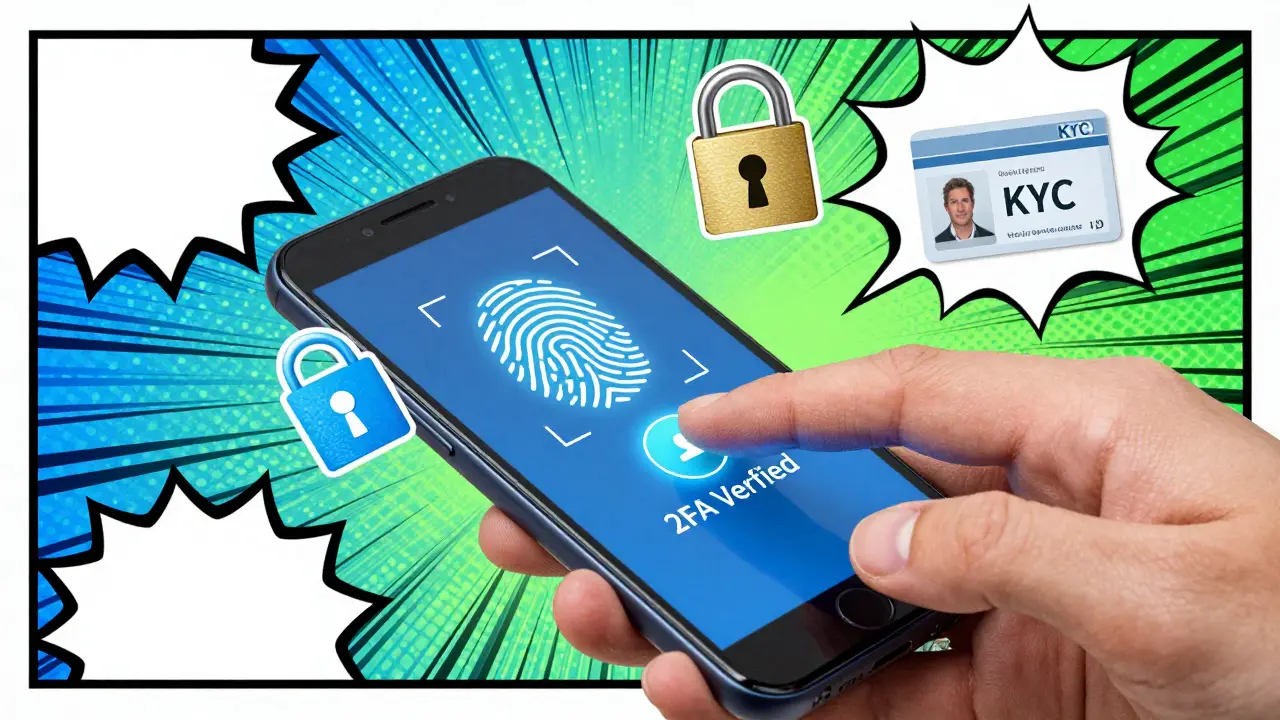
- Mandatory Two-Factor Authentication (2FA): Every transaction requires 2FA verification. This adds a critical layer of protection beyond just a password, ensuring that even if someone guesses your login details, they can’t move your funds without access to your second device.
- Industry-Standard Encryption: User data is protected using advanced encryption protocols. While specific technical details aren’t always publicized, this aligns with standard practices for reputable financial platforms.
- KYC Compliance: Coinroom requires full Know Your Customer (KYC) verification. This involves submitting identity documents to prove who you are. While some privacy advocates dislike this, it significantly reduces fraud and ensures the platform complies with European regulations.
However, remember that because Coinroom is a centralized exchange, it holds your funds. This introduces custodial risk. If the exchange were ever hacked or went bankrupt, your assets could be at risk. Always consider using a personal hardware wallet for long-term storage of large amounts.
Fees and Transaction Costs
Let’s talk money. Fees can eat into your profits faster than you think. Coinroom positions itself as having relatively low fees compared to industry averages. Users frequently praise the platform for its lack of hidden charges.
| Fee Type | Description | Estimated Cost |
|---|---|---|
| Trading Fee | Cost per buy/sell transaction | Competitive/Low |
| Deposit Fee | Bank transfer or card deposits | Varies by method |
| Withdrawal Fee | Network fees for sending crypto out | Standard network rates |
| ATM Withdrawal | Cash withdrawal via partner ATMs | Additional service fee |
While exact percentages fluctuate based on market conditions and volume tiers, the general consensus is that Coinroom offers fair pricing. There are no surprise “spread” fees that inflate the cost of buying Bitcoin. This transparency makes it easier to calculate your actual investment returns.
User Experience and Interface
If you’re new to crypto, complex charts and order books can be overwhelming. Coinroom addresses this by offering a clean, intuitive interface designed for ease of use.
The platform supports multiple transaction methods, including:
- Standard Deposits and Withdrawals: Easy bank transfers and crypto movements.
- Internal Transfers: Move funds between accounts quickly.
- Direct ATM Withdrawals: A standout feature! You can withdraw cash directly from supported ATMs. This is rare among European exchanges and provides immediate liquidity if you need physical cash.
The mobile app mirrors the web experience, ensuring you can manage your portfolio on the go. Setup is straightforward, though the mandatory KYC process adds a step that might delay immediate trading for impatient users.
Coinroom vs. Competitors
How does Coinroom stack up against giants like Binance or Coinbase?
Binance and Coinbase offer a vast array of cryptocurrencies and advanced trading tools like margin trading and futures. They cater to both retail and institutional investors. Coinroom, however, focuses on simplicity and regional compliance.
Here’s the trade-off:
- Pros of Coinroom: Higher transparency, lower learning curve, unique ATM withdrawal option, strong focus on European regulatory compliance (MiCA).
- Cons of Coinroom: Limited cryptocurrency selection compared to global giants, fewer advanced trading features, primarily focused on the Polish/European market.
If you are a day trader needing leverage and hundreds of altcoins, Coinroom isn’t for you. But if you want to buy Bitcoin safely, understand every fee, and occasionally cash out at an ATM, Coinroom shines.
Regulatory Compliance in 2026
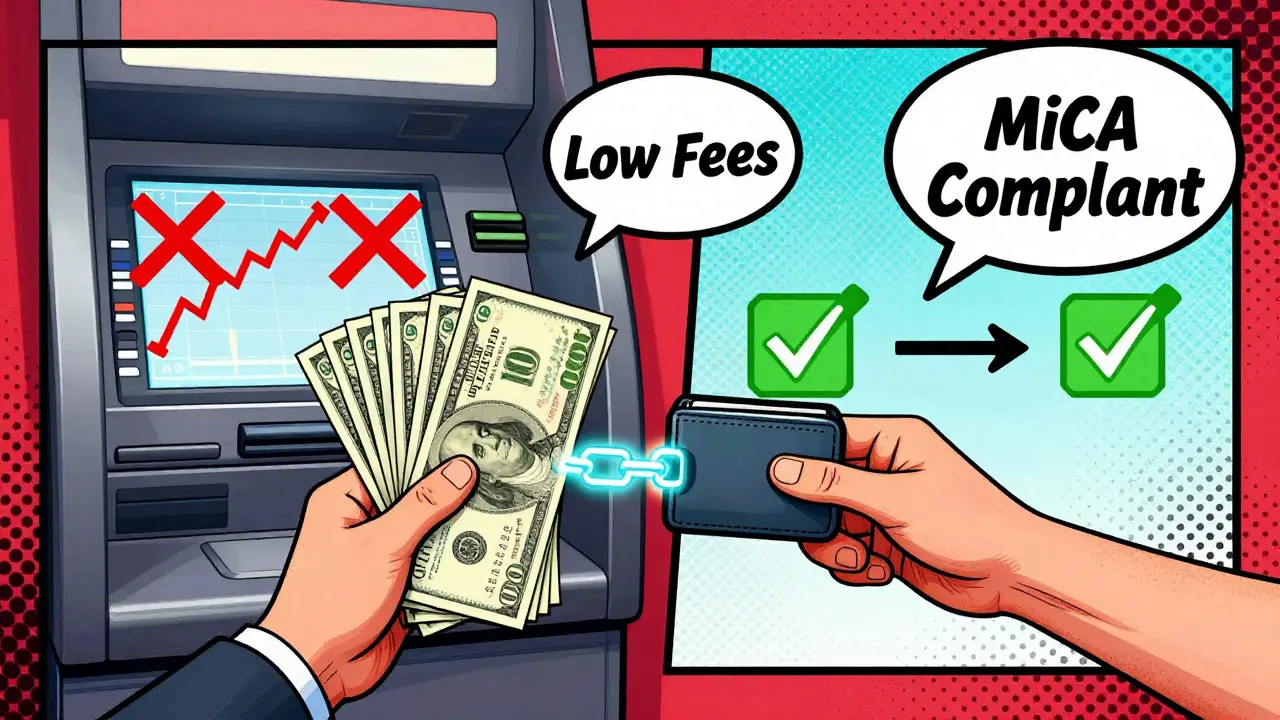
By 2026, the European Union’s Markets in Crypto-Assets (MiCA) regulation is fully in effect. This legislation imposes strict rules on crypto exchanges regarding consumer protection, anti-money laundering (AML), and operational resilience.
Coinroom’s early adoption of strict KYC procedures and transparent reporting puts it in a strong position. Unlike unregulated offshore exchanges, Coinroom operates within a legal framework that protects users. This compliance reduces the risk of sudden shutdowns or frozen assets due to regulatory crackdowns.
Who Should Use Coinroom?
Coinroom is ideal for:
- Beginners: Those new to crypto who want a simple, guided experience.
- European Residents: Particularly users in Poland and surrounding EU countries seeking local support and compliance.
- Transparency Seekers: Investors tired of hidden fees and unclear terms.
- Cash Users: People who value the ability to withdraw crypto as physical cash via ATM.
It may not suit professional traders requiring high-frequency trading tools or access to niche altcoins.
Is Coinroom safe for storing large amounts of Bitcoin?
While Coinroom has strong security features like 2FA and encryption, it is a centralized exchange. For large holdings, it is safer to transfer your Bitcoin to a personal hardware wallet or cold storage solution. Use Coinroom for active trading and smaller balances.
Can I use Coinroom outside of Poland?
Yes, Coinroom serves broader European markets. However, availability may vary depending on your country’s specific regulations. Check their official website for supported regions.
Yes, Coinroom serves broader European markets. However, availability may vary depending on your country’s specific regulations. Check their official website for supported regions.
How does the ATM withdrawal feature work?
Coinroom partners with specific ATM networks. You can initiate a withdrawal from your Coinroom account and receive cash at designated ATMs. Note that additional service fees apply for this convenience.
Are there hidden fees on Coinroom?
User reviews consistently highlight Coinroom’s transparency. There are no reported hidden fees. All costs, including trading and withdrawal fees, are clearly displayed before you confirm transactions.
Does Coinroom comply with MiCA regulations?
Yes. As a European-focused exchange operating in 2026, Coinroom adheres to the EU’s Markets in Crypto-Assets (MiCA) framework, ensuring strict compliance with AML and consumer protection laws.