You’ve heard of BTCEX, the crypto exchange promising low fees and easy trading. But before you deposit a single dollar, you need to know the truth. This isn’t just another standard review; it’s a deep dive into why major financial watchdogs are warning investors to stay away. If you’re looking for a place to park your Bitcoin or Ethereum, BTCEX might be the most dangerous option on your list.
The cryptocurrency market is full of legitimate platforms like Coinbase and Kraken, but it’s also littered with traps. BTCEX falls squarely into the latter category. Launched in 2021, this platform claims to offer spot and derivatives trading for over 120 cryptocurrencies. On paper, it sounds decent. In reality, the evidence points to a high-risk operation that has left thousands of users unable to access their funds. Let’s break down exactly what is going wrong and how you can protect yourself.
The Red Flags You Can’t Ignore
When evaluating any crypto exchange, regulation is the first thing you should check. A regulated exchange plays by rules set by government bodies, ensuring your money is protected if things go south. BTCEX claims to have licenses in Canada, Lithuania, and Estonia. However, independent legal experts from BrokerChooser verified in September 2023 that these claims are false. None of these licenses appear in official registries. This means BTCEX operates without top-tier regulatory oversight, leaving you with zero legal recourse if they steal your money.
Another massive red flag is the platform’s history of domain switching. Legitimate businesses don’t suddenly ask you to move your account to a new website to keep using it. OpenPR’s investigation documented multiple instances where BTCEX forced users to migrate to new domains to regain access to their funds. This is a classic tactic used by fraudulent operators to evade law enforcement and reset their reputation. If an exchange feels like a game of whack-a-mole with its own website, run the other way.
- No Verifiable Regulation: Claims of European and Canadian licenses are unsubstantiated.
- Domain Instability: Frequent changes to the platform’s URL suggest evasive behavior.
- Opaque Ownership: The team behind BTCEX remains anonymous, unlike reputable firms that publish leadership bios.
- Restricted Access: Services are blocked for US and Japanese clients, often a sign of avoiding strict local laws.
User Experiences: Withdrawal Nightmares
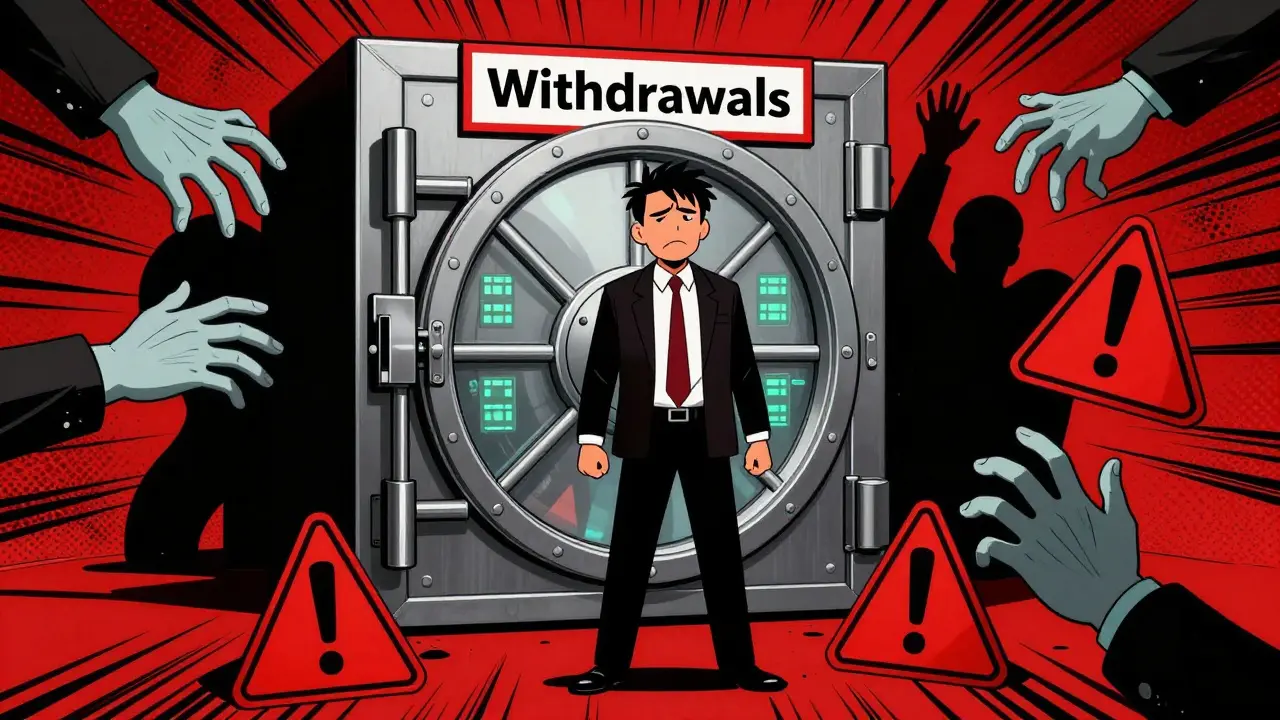
The true test of any exchange is whether you can get your money out. For BTCEX, this is where the nightmare begins. Trustpilot reviews tell a grim story. With a rating of just 2.3 out of 5 stars based on dozens of verified reviews, the consensus is clear: withdrawals are nearly impossible. Users report being locked out of their accounts after attempting to withdraw large sums. Some describe losing everything between $5,000 and $50,000 overnight.
Reddit threads from the r/CryptoCurrency community echo these complaints. One user described how support tickets went unanswered for weeks. Another shared how they were asked to pay "taxes" or "fees" to release their funds-a common advance-fee scam tactic. Once the money was paid, the account remained frozen. According to analysis of Trustpilot data, approximately 87% of active reviewers cited withdrawal issues as their primary problem. When customer support takes more than 14 days to reply, if they reply at all, you aren’t dealing with a professional service provider.
| Feature | BTCEX | Coinbase | Kraken |
|---|---|---|---|
| Regulatory Status | Unverified / High Risk | SEC & FINRA Registered | Multiple Global Licenses |
| Withdrawal Reliability | Poor (Frequent Lockouts) | High | High |
| Ownership Transparency | Anonymous | Public Company | Known Leadership |
| Fiat Support | Limited / No Fiat Withdrawals | Full USD/EUR Support | Full Multi-Currency Support |
| Trustpilot Rating | 2.3/5 | 4.0+ /5 | 4.0+ /5 |
Who Are the Safer Alternatives?
If you’re looking for a secure place to trade, there are plenty of better options. Coinbase serves nearly 100 million verified users and is publicly traded on the NYSE. This level of transparency ensures they cannot simply vanish with user funds. Kraken offers over 350 cryptocurrencies with robust security measures and clear regulatory compliance in Europe and North America. Even Binance US provides a regulated environment for American traders, despite the global complexities of its parent company.
These platforms charge slightly higher fees than BTCEX’s advertised 0.1%, but you’re paying for insurance against fraud. Think of it this way: would you trust a bank that doesn’t have FDIC insurance? Probably not. The same logic applies to crypto. The cost of using a regulated exchange is the price of peace of mind. BTCEX’s low fees are a bait-and-switch tactic designed to attract inexperienced investors who prioritize cost over security.
Understanding the Scam Pattern
BTCEX fits a specific profile seen in many failed crypto ventures. It starts with aggressive marketing, promising high returns and low barriers to entry. Then, as users deposit more money, subtle restrictions appear. Withdrawals become slow, then impossible. Accounts are locked under vague terms of service violations. Finally, the platform may shut down or switch domains, leaving users stranded. This pattern mirrors the downfall of WEX (formerly BTC-e), which disappeared in 2017 after years of similar complaints.
The California Department of Financial Protection and Innovation (DFPI) tracks these scams closely. Their data shows a 37% year-over-year increase in complaints about unregulated exchanges. Many of these platforms claim European licenses to look legitimate, just like BTCEX does. However, when investigators dig deeper, those licenses are either fake or revoked. By the time authorities issue a warning, millions of dollars have already been lost. InvestorWarnings.com reported 147 cases involving BTCEX alone, totaling $2.3 million in losses, with zero successful recoveries.
How to Protect Your Crypto Investments
Avoiding scams requires vigilance. First, always check if an exchange is listed on CoinMarketCap or CoinGecko, but don’t stop there. Look for independent reviews on Trustpilot and Reddit. If everyone is complaining about withdrawals, believe them. Second, verify regulatory status directly through government websites, not just the exchange’s "About Us" page. Third, never leave large amounts of crypto on any exchange. Use a hardware wallet like Ledger or Trezor for long-term storage. This ensures that even if the exchange goes bankrupt or turns out to be a scam, your assets remain safe in your private custody.
Finally, be skeptical of anything that seems too good to be true. Low fees, high leverage, and exotic tokens are often hooks for inexperienced traders. Stick to established platforms with a proven track record. Your financial security is worth more than saving a fraction of a percent on trading fees.
Is BTCEX a scam?
While no court has officially declared BTCEX a criminal enterprise yet, it exhibits all the hallmarks of a fraudulent operation. These include unverified regulatory claims, widespread reports of withheld withdrawals, anonymous ownership, and frequent domain changes. Major financial safety organizations advise against using it due to extreme risk.
Can I withdraw my money from BTCEX?
Most users report significant difficulties withdrawing funds. Many accounts are locked indefinitely, especially after larger withdrawal attempts. If you currently hold funds on BTCEX, try to withdraw small amounts immediately, but be prepared for potential delays or denials.
What are safer alternatives to BTCEX?
Reputable alternatives include Coinbase, Kraken, and Binance US. These platforms are regulated, transparent about their leadership, and have strong track records for processing withdrawals reliably. They may have slightly higher fees, but they provide essential consumer protections.
Why does BTCEX block US and Japanese users?
BTCEX blocks users from countries with strict financial regulations, such as the United States and Japan. This allows them to operate in a legal gray area where they face less scrutiny from authorities like the SEC or FCA. Legitimate exchanges comply with these laws rather than avoiding them.
How can I check if a crypto exchange is legitimate?
Check for verifiable regulatory licenses on official government websites. Read recent user reviews on independent platforms like Trustpilot and Reddit. Ensure the exchange has a known leadership team and physical office locations. Avoid platforms that promise unrealistic returns or hide their fee structures.