Imagine paying nearly 2% just to buy Bitcoin because you forgot to check the fine print. That’s the reality for many new users on VirgoCX, a Toronto-based platform that has shifted gears significantly since its launch in 2018. If you’re looking for a straightforward way to convert Canadian dollars into crypto, VirgoCX offers a regulated, user-friendly interface. But is it still competitive against cheaper rivals? This review breaks down the fees, the major security changes, and who should actually use this exchange in 2026.
Key Takeaways
- Non-Custodial Shift: Since April 2025, VirgoCX no longer holds your coins. You must connect a self-managed wallet to trade.
- Fee Structure: Trading costs are hidden in spreads (0.5%-2.5%) rather than explicit maker/taker fees. Card deposits cost up to 3.99%.
- Security: Historically strong with Coinbase Custody integration; now relies on user responsibility for private keys.
- Asset Coverage: Supports ~45-67 assets, but notably excludes major stablecoins like USDT and BNB.
- Verdict: Great for beginners prioritizing ease of use and CAD funding, but expensive for active traders compared to competitors.
The Big Change: From Custodial to Non-Custodial
If you used VirgoCX before 2025, forget what you knew about how it works. The platform announced a major pivot in April 2025: it stopped acting as a custodian. What does that mean for you? Previously, when you bought Bitcoin, VirgoCX held it in their vaults. Now, they function more like a bridge. When you buy crypto, it goes straight to your external wallet. When you sell, you send crypto from your wallet to them, and they send CAD back to your bank.
This shift aligns with stricter Canadian regulations but puts the burden of security squarely on you. You can’t just leave funds on the exchange anymore. You need a compatible self-custodial wallet, like MetaMask or Ledger, ready to go. For tech-savvy users, this is a win-you control your keys. For total beginners, it adds a steep learning curve. You have to manage seed phrases and network selections correctly, or you risk losing funds during transfers.
Fees and Spreads: Where Does the Money Go?
Most people hate surprise fees. VirgoCX tries to avoid them by using a spread model instead of traditional trading commissions. A spread is the difference between the buy price and the sell price. You pay this invisible fee every time you trade.
Here is where it gets tricky. Your fee depends on two things: which coin you’re trading and your VIP status. New users start at the highest spread tier. Let’s look at the numbers.
| Coin Tier | Examples | New User Spread | Top VIP Spread |
|---|---|---|---|
| Tier 1 | BTC, ETH | ~1.75% | ~0.175% |
| Tier 2 | SOL, ADA, XRP | ~1.95% | ~0.195% |
| Tier 3 | Altcoins, Meme Coins | ~2.5% | ~0.25% |
To get those lower rates, you need massive volume. The top VIP level requires over $6 million USD in trading volume within 30 days. Unless you’re an institutional trader, you’re likely stuck paying near the top of these ranges. Compare this to platforms offering 0.1% maker/taker fees, and you see why some critics call VirgoCX "expensive" for active traders.
Deposits add another layer of cost. Interac e-Transfers, wire transfers, and bill payments are free. However, if you want speed and use a credit card, expect a 3.99% fee. Debit cards cost 2.99%. While convenient, these fees eat into your initial investment immediately.
Security and Regulation: The Strong Suit
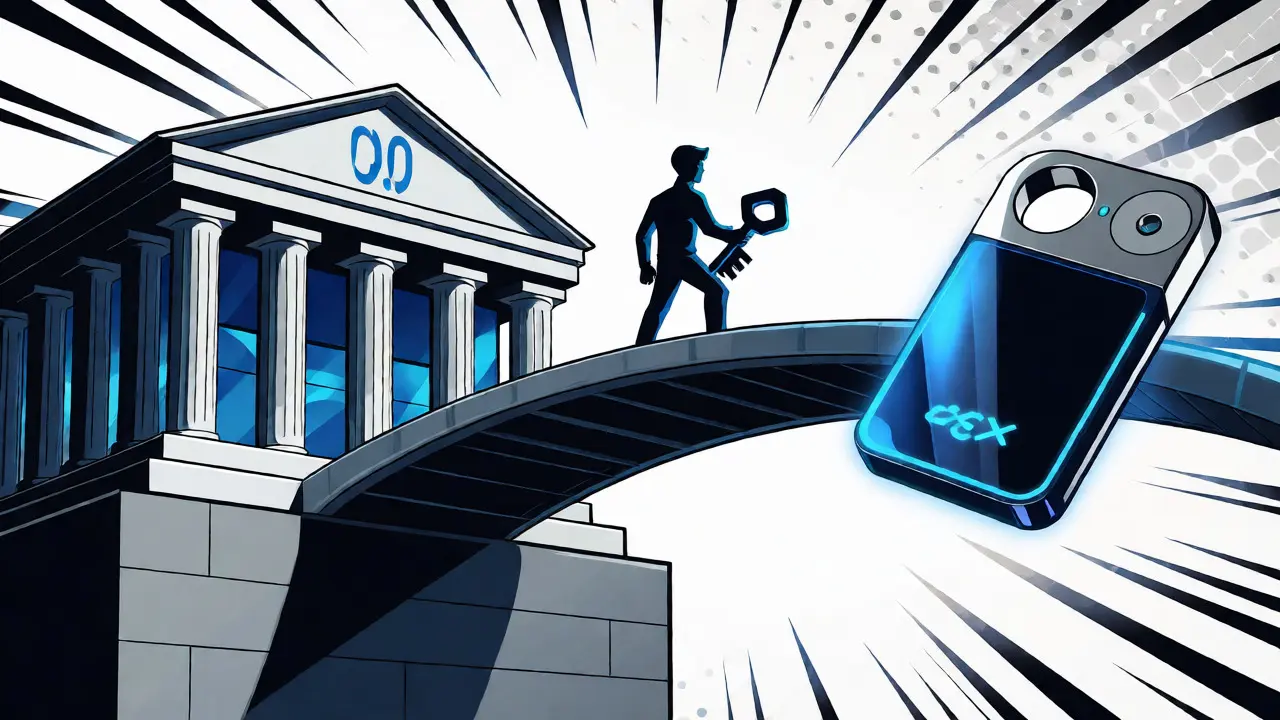
Before the non-custodial change, VirgoCX was praised for its robust security architecture. They stored the vast majority of client assets in offline cold storage via Coinbase Custody, one of the most reputable custody solutions globally. Only a small fraction remained in hot wallets for daily operations. To date, there have been no reported hacks or breaches on the platform.
Regulatory compliance is also tight. VirgoCX is registered with FINTRAC (Financial Transactions and Reports Analysis Centre of Canada) and operates under Ontario Securities Commission guidelines. This means they adhere to strict Anti-Money Laundering (AML) and Know Your Customer (KYC) laws. For Canadians worried about offshore exchanges disappearing overnight, this local regulation provides peace of mind.
Now that it’s non-custodial, the risk profile shifts. The exchange itself is less likely to lose your money through insolvency or hack because they don’t hold it. However, you face the risk of user error-losing your password or sending coins to the wrong address. The security is now a partnership between their secure infrastructure and your wallet management skills.
Supported Assets and Missing Pieces
How many coins can you actually buy? Sources vary, but currently, VirgoCX supports between 45 and 67 cryptocurrencies. This includes the big players like Bitcoin (BTC), Ethereum (ETH), Solana (SOL), and Cardano (ADA). They also list various Layer-2 tokens and meme coins.
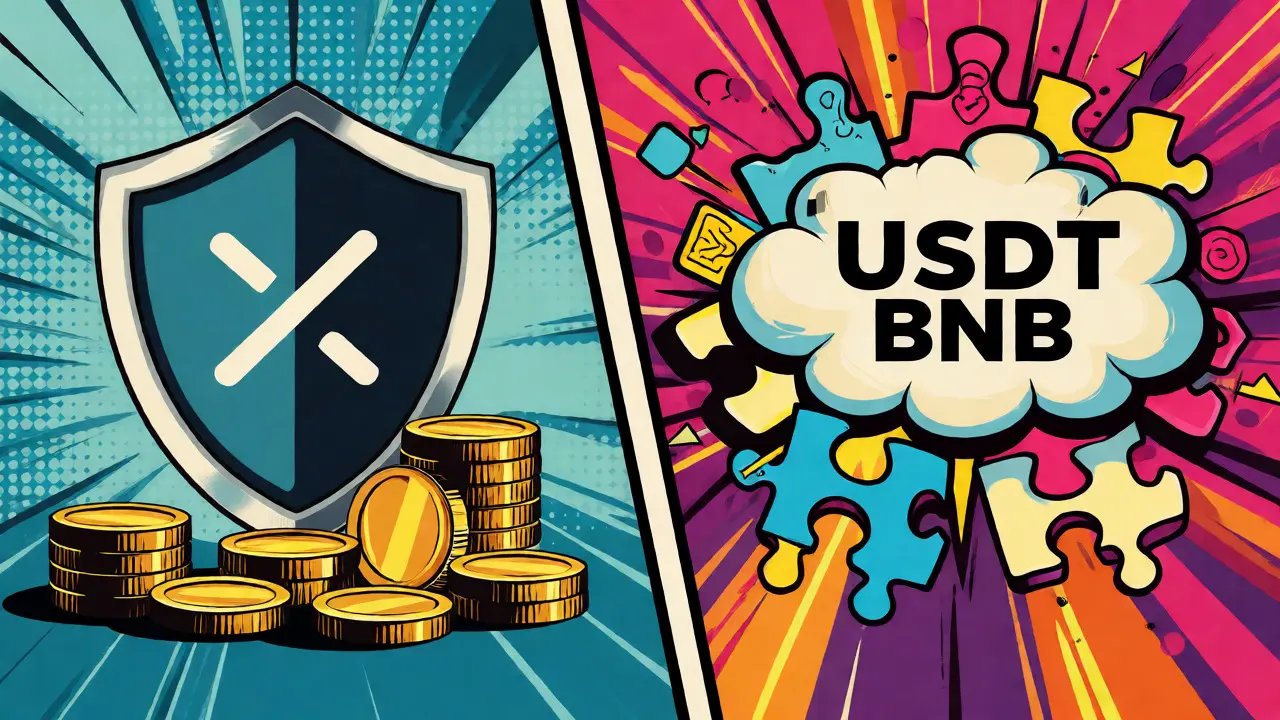
However, there are glaring omissions. Notably absent are several top-20 global assets, including Tether (USDT), Binance Coin (BNB), and TRON (TRX). If you rely on USDT for moving funds between exchanges or participating in DeFi protocols, you’ll need another platform. VirgoCX focuses on a curated selection rather than listing every token under the sun. This keeps the interface clean but limits flexibility for power users.
User Experience: App and Web Interface
Is it easy to use? Generally, yes. Both the mobile app (iOS and Android) and the web platform receive positive marks for simplicity. The sign-up process involves standard ID verification, which is typical for regulated Canadian entities. Once verified, funding via Interac e-Transfer is nearly instant, allowing you to jump into trades quickly.
The trading interface is stripped-down. You won’t find complex order books or advanced charting tools here. It’s designed for buying and selling, not day-trading with leverage. For beginners, this reduces decision fatigue. For experienced traders, it might feel too basic. The ability to switch seamlessly between phone and browser is a nice touch, letting you monitor positions on the go while executing trades from a desktop.
Pros and Cons Summary
- Pros:
- Regulated and compliant with Canadian laws.
- No history of hacks or security breaches.
- Free CAD deposits via Interac and wire transfer.
- Clean, beginner-friendly interface.
- Non-custodial model gives users true ownership.
- Cons:
- High spreads for retail users (up to 2.5%).
- Expensive card deposit fees (up to 3.99%).
- Missing major assets like USDT and BNB.
- Requires self-custody setup (steep learning curve).
- VIP discounts require unrealistic trading volumes for most.
Who Should Use VirgoCX?
VirgoCX isn’t for everyone. It’s ideal for Canadian residents who prioritize regulatory safety and ease of access over rock-bottom fees. If you’re a long-term holder (“HODLer”) who buys occasionally and plans to move assets to a hardware wallet anyway, the non-custodial requirement is a feature, not a bug. The free Interac funding makes topping up your account painless.
Conversely, if you trade frequently, use stablecoins like USDT, or hunt for low fees, look elsewhere. Competitors like Kraken or Newton often offer tighter spreads and broader asset lists. VirgoCX serves a specific niche: the cautious Canadian investor who wants a legitimate, local gateway into crypto without worrying about offshore risks.
Is VirgoCX safe to use?
Yes, VirgoCX is considered highly safe due to its regulatory compliance with FINTRAC and its history of zero hacks. Following its 2025 shift to a non-custodial model, users retain control of their private keys, further reducing the risk of exchange-level losses.
What are the fees on VirgoCX?
VirgoCX uses a spread-based fee model ranging from 0.5% to 2.5% depending on the asset tier and your VIP level. Deposit fees are free for Interac e-Transfer, wire transfers, and bill payments, but credit card deposits incur a 3.99% fee and debit cards 2.99%.
Can I withdraw my crypto to any wallet?
Since becoming non-custodial, you must connect a self-managed wallet to trade. You cannot leave funds on the exchange. Ensure your wallet supports the specific networks used by VirgoCX for each asset to avoid loss of funds during transfers.
Does VirgoCX support USDT or BNB?
No, VirgoCX currently does not list Tether (USDT), Binance Coin (BNB), or TRON (TRX). Its asset list is curated to include major cryptocurrencies like BTC and ETH, along with select altcoins, totaling approximately 45-67 assets.
How long do withdrawals take?
CAD withdrawals via Interac e-Transfer are typically instant or take minutes. Wire transfers may take 1-2 business days. Crypto withdrawals depend on blockchain network congestion, though VirgoCX previously covered minor gas fees, policies may vary post-transition.