
If you are looking for a functional place to trade, the short answer is: keep looking. UPEX crypto exchange review data from across the industry shows a platform that has effectively ghosted its users. While it started with big promises for the MENA region, it has become a cautionary tale of how a promising start can lead to a complete operational collapse.
| Feature | Status / Value | Verdict |
|---|---|---|
| Operational Status | Defunct / Non-functional | ❌ Critical |
| Trading Volume | Untracked / Zero | ❌ Critical |
| Regulatory Status | Ambiguous (Sandbox) | ⚠️ Risky |
| User Activity | No active reviews | ❌ Critical |
What exactly was UPEX?
Launched back in 2018, UPEX is a centralized cryptocurrency exchange that aimed to dominate the Middle East and North Africa (MENA) market. It was developed by OneMena, a company that wanted to bridge the gap between traditional finance and digital assets in the Arab world.
The platform had a very specific strategy. Instead of trying to beat giants like Binance at their own game, UPEX focused on localization. They provided full Arabic language support and integrated trading pairs for the AED (United Arab Emirates Dirham), which was a huge draw for local investors who didn't want to jump through hoops with USD conversions. At its peak, the company claimed to have around 300,000 users, though looking back, those numbers were never independently verified.
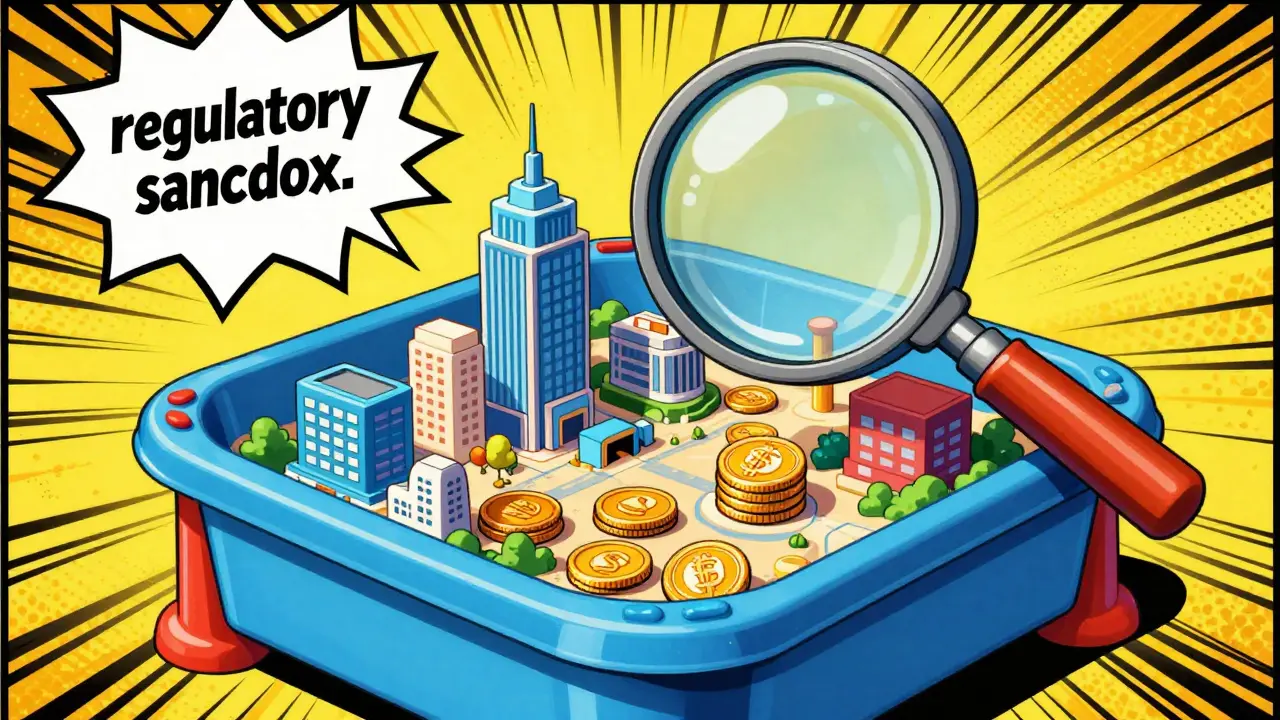
The Regulatory Mystery: The Bahrain Sandbox
One of the biggest selling points for UPEX was its claim of being "approved" by the Central Bank of Bahrain. Specifically, they mentioned being part of a financial sandbox. For those who aren't familiar, a regulatory sandbox is basically a "test zone" where the government lets fintech companies try out new tech under supervision without needing a full, permanent license right away.
Here is the problem: being in a sandbox isn't the same as being fully regulated. It's a trial period. While OneMena used this to imply legitimacy, they never transitioned into a fully licensed Virtual Asset Service Provider (VASP) in the way that other regional competitors did. This ambiguity created a gap in trust that eventually became a canyon as the platform's operations began to slip.
The Slow Fade into Inactivity
Around 2021, something shifted. The platform didn't crash overnight with a dramatic announcement; instead, it just stopped working. Industry trackers like CoinMarketCap eventually marked the exchange as an "Untracked Listing." When a major aggregator stops tracking your volume, it's usually because there isn't any volume left to track.
By 2025, the evidence was overwhelming. Reports from ICORankings described the platform as having "ceased functioning," citing a total lack of transparency and operational opacity. If you try to visit their trading portal today, you'll likely find a site that doesn't respond or offers no way to actually execute a trade. It's essentially a digital graveyard.
Comparing UPEX to Living MENA Alternatives
To understand where UPEX went wrong, it helps to look at the platforms that actually survived. The MENA market is still booming, but the winners are those who prioritized legal clarity over marketing fluff.
- Rain: Unlike UPEX, Rain secured a full VASP license from the ADGM (Abu Dhabi Global Market). They scaled to over a million users by proving they could follow the rules.
- BitOasis: Another UAE-based powerhouse that stayed active by maintaining deep liquidity and transparent fee structures.
- Binance MENA: The global giant entered the region by leveraging its massive existing infrastructure while adapting to local regulations.
UPEX had the right idea-localize the experience and target the MENA region-but they failed at the most basic requirement of a financial business: staying open and being transparent about where the money is.
Red Flags and Lessons Learned
What can we learn from the UPEX disaster? First, be wary of "Sandbox" claims. If a company says they are in a regulatory sandbox, it means they are still experimenting. It is not a guarantee of safety or long-term stability. Second, always check the 24-hour trading volume on a third-party site. If an exchange claims to be a leader but shows zero or "untracked" volume, your funds are at extreme risk.
The total absence of user reviews on platforms like Trustpilot or Reddit for a company claiming 300,000 users is another massive warning sign. Real users complain, cheer, or ask for help. Total silence usually means the platform is dead.
Is UPEX still a safe place to trade crypto?
No. All current evidence suggests that UPEX has ceased operations. It is listed as a closed exchange on multiple industry trackers, and there is no verifiable trading volume. You should not attempt to deposit funds into this platform.
What happened to the funds of UPEX users?
There is no public record of a structured recovery process or a wind-down plan. Because the platform suffered from "opacity" and a lack of transparency, users have found it extremely difficult to retrieve assets once the platform stopped functioning post-2021.
Was UPEX actually regulated in Bahrain?
They claimed to be approved for the financial sandbox by the Central Bank of Bahrain. However, this is a testing environment, not a full license to operate as a financial institution. They never achieved the level of regulation seen by competitors like Rain.
Does UPEX have a mobile app?
While they previously claimed to offer mobile support, there is currently no functional or supported app available on major app stores that allows for active trading.
Are there any alternatives for trading AED pairs?
Yes. For users in the UAE and MENA region, platforms like Rain and BitOasis provide regulated, active environments for trading cryptocurrencies with local currencies including the AED.
Next Steps for Traders
If you are currently using a platform and you start noticing that volume is dropping or customer support is becoming unresponsive, don't wait. Move your assets to a cold wallet or a Tier-1 exchange immediately. The story of UPEX proves that even "regional leaders" can vanish if they lack a solid regulatory foundation and operational transparency.
For those in the Middle East, stick to exchanges that hold a full VASP license. Check the official registry of the regulator in your specific jurisdiction (like ADGM in Abu Dhabi or VARA in Dubai) to ensure the platform is actually authorized to handle your money.
Jan Conrad
April 29, 2026 AT 03:48The distinction between a regulatory sandbox and a full VASP license is a crucial point here. Many retail investors mistake a sandbox entry for a seal of approval, but it's really just a controlled environment for testing. In the MENA region, the jump from a sandbox to a full license is quite rigorous, and failing to make that transition is almost always a sign of operational instability or a lack of capital to meet the stricter compliance standards.
Abhishek Verma
April 30, 2026 AT 15:20Imagine actually believing a 'sandbox' meant your money was safe. Truly a special kind of optimism lol.
Rushell Perry
May 1, 2026 AT 20:29its always the ones who think they found a shortcut that get hit hardest just use a cold wallet and stay safe everyone
its me
May 2, 2026 AT 00:33The true tragedy here isn't the loss of funds, but the loss of the illusion of stability. We crave a shepherd to guide us through the digital wilderness, yet we forget that the shepherd often intends to shear the sheep. It is a moral failure on the part of the developers to use a sandbox as a marketing tool, masking their incompetence with a thin veil of government association.
Noel Mandotah
May 2, 2026 AT 21:43Shocking. An unregulated exchange vanished. Truly a miracle.
Ipsita Seal
May 3, 2026 AT 04:01Too long. Basically it's a scam.
Barbara Jones
May 3, 2026 AT 19:25thanks for the warnnig!! i almost tried to look them up last week so im glad i saw this first
Amanda Macy
May 5, 2026 AT 02:39The pattern of 'localization' being used as a distraction from lack of liquidity is common. By focusing on a specific language or currency, platforms create a psychological sense of belonging and trust that bypasses the user's usual risk assessment protocols.
Chloe Fletcher
May 5, 2026 AT 04:05Omg this is so scary!! 😱 Always do your research people! 🔍 Stay safe and keep your coins in your own wallets! 🔐✨
Mitali Rajvanshi
May 5, 2026 AT 15:35I agree with the points about checking third party volume trackers.
Lex Harley
May 7, 2026 AT 09:26Wait, if the order books were completely illiquid before the ghosting, was it just a slow-rug pull or actual technical insolvency? The slippage on those AED pairs must have been insane toward the end.
Tony Phan
May 8, 2026 AT 21:44I remember hearing about this place! Total disaster! My buddy tried to use a similar mid-tier exchange and the API just stopped responding one day! Absolute nightmare fuel!
Bevon Findley
May 10, 2026 AT 13:55Amateur hour. 🙄
Veronica Bago
May 11, 2026 AT 03:54Good heads up for anyone still searching for old accounts!
Brendan Thraxton
May 11, 2026 AT 10:49just stick with the big guys or a hardware wallet folks its not worth the risk of trying out these niche platforms when the basics like regulation are missing
Ryan Nakielny
May 12, 2026 AT 04:19Oh look, another 'innovative' platform that forgot how to actually exist. How refreshing.
AP Fisher
May 13, 2026 AT 06:32What happened to the money exactly?
Wayne Gillis
May 13, 2026 AT 10:57Who even uses these things now? 😂 Just go with Binance and be done with it! 🚀🔥
edie rosa
May 14, 2026 AT 20:26Typical corporate greed. They take the money and run while the little guys suffer. This is why the whole system is broken and why we can't trust anything in this space.
Michael Repak
May 16, 2026 AT 10:44I really appreciate the detailed breakdown here!!! It's so important to stay vigilant!!!
Livvy Cooper
May 17, 2026 AT 10:14Why do people even care? Crypto is a gamble anyway, so who cares if the exchange disappears too?
Rain Richardsson
May 18, 2026 AT 09:08I wonder if any users got their money back?
Iestyn Lloyd
May 19, 2026 AT 05:11Rain is indeed a solid choice for those in the Gulf. They've handled the regulatory side much more professionally than UPEX ever did.
April D Thompson
May 20, 2026 AT 10:29This is a cosmic lesson in the ephemeral nature of digital trust! We build these cathedrals of finance on shifting sands, and then we act surprised when the tide comes in and washes it all away. It's a beautiful, tragic dance of greed and desperation that defines the modern era. Just keep your keys and keep your sanity, my friends, because the void is always hungry for more deposits!
Kara Spadone
May 21, 2026 AT 02:50The energy of this platform was clearly misaligned with the truth. 🌀 You can't manifest wealth from a void of transparency. 🙄