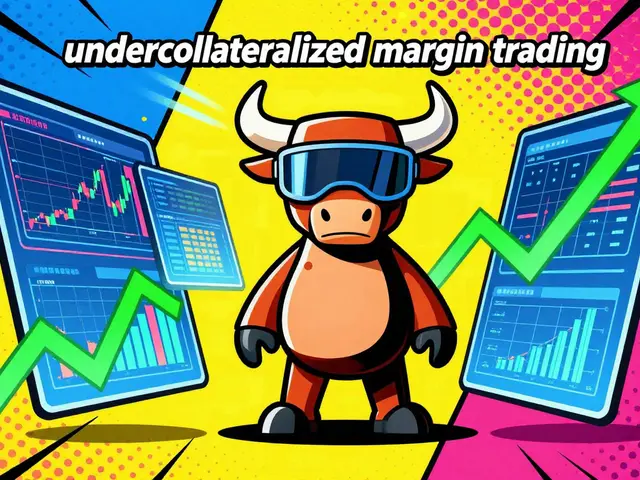
You might have seen the buzz around Marnotaur is a decentralized finance protocol focused on secure undercollateralized margin trading. It combines liquidity pools with leveraged positions using smart contracts. Specifically, you are likely looking for details on the upcoming TAUR Generative NFT Collection and whether there is an associated airdrop or reward mechanism. The short answer? There isn't a traditional "free coin" airdrop in the sense of sending tokens to random wallets. Instead, Marnotaur has designed a profit-sharing campaign that functions as a utility-driven reward system. To get paid from the platform's revenue, you need two things: a specific NFT and a minimum holding of TAUR tokens.
This model shifts the goalpost from passive accumulation to active participation. If you are expecting free tokens just for signing up, you will be disappointed. But if you are looking for a way to earn yield from DeFi trading fees, this setup offers a clear path. Let’s break down exactly how this works, what it costs, and whether the math makes sense for your portfolio.
How the Marnotaur Profit-Sharing Mechanism Works
The core innovation here is linking digital art (NFTs) with financial utility (DeFi yields). Most NFT projects offer governance rights or access to communities. Marnotaur goes further by tying ownership directly to revenue distribution. When traders use the Marnotaur protocol to open undercollateralized margin positions, they pay fees. A portion of these fees is distributed to holders of the TAUR NFT Collection, which serves as a membership pass for the profit-sharing pool.
To qualify, you must meet two strict criteria:
- Hold a Marnotaur NFT: You need one of the generative NFTs from their official collection. These are not just images; they act as keys to unlock revenue streams.
- Hold Minimum $500 in TAUR Tokens: This is the critical filter. You cannot just buy the cheapest NFT and expect returns. You must also stake or hold at least $500 worth of the native TAUR token, which powers the Marnotaur ecosystem and acts as collateral and governance currency.
This dual requirement ensures that only committed participants receive rewards. It prevents sybil attacks where bots create thousands of wallets to drain rewards. By requiring significant capital ($500+ in tokens plus the cost of the NFT), Marnotaur aligns incentives with long-term users who believe in the protocol’s success.
Understanding the TAUR Token Ecosystem
Before diving into the NFT specifics, you need to understand the asset backing it all: the TAUR token. As of mid-2026, TAUR operates across multiple exchanges including Gate.io, Binance, Kraken, and Bybit. Prices vary slightly due to liquidity differences, but generally hover around $0.0024-$0.0026 per token. While this price seems low, remember that cryptocurrencies often trade in fractions of cents during early growth phases.
TAUR was launched via a Token Generation Event (TGE) in October 2021. Its distribution schedule was carefully structured to prevent massive sell-offs:
- 20% unlocked at TGE: Immediate circulation for initial liquidity.
- 3-month cliff: No additional releases for three months post-launch.
- Gradual vesting: Monthly or quarterly unlocks thereafter to ensure steady supply without flooding the market.
This structure helps stabilize the token over time. Currently, TAUR trades significantly below its all-time high but shows strong monthly gains (+53.82% in recent periods according to some data sources). The fully diluted valuation (FDV) suggests a theoretical max market cap if all 150 million tokens were circulating-a key metric for assessing future upside potential.
The Generative NFT Collection: More Than Just Art
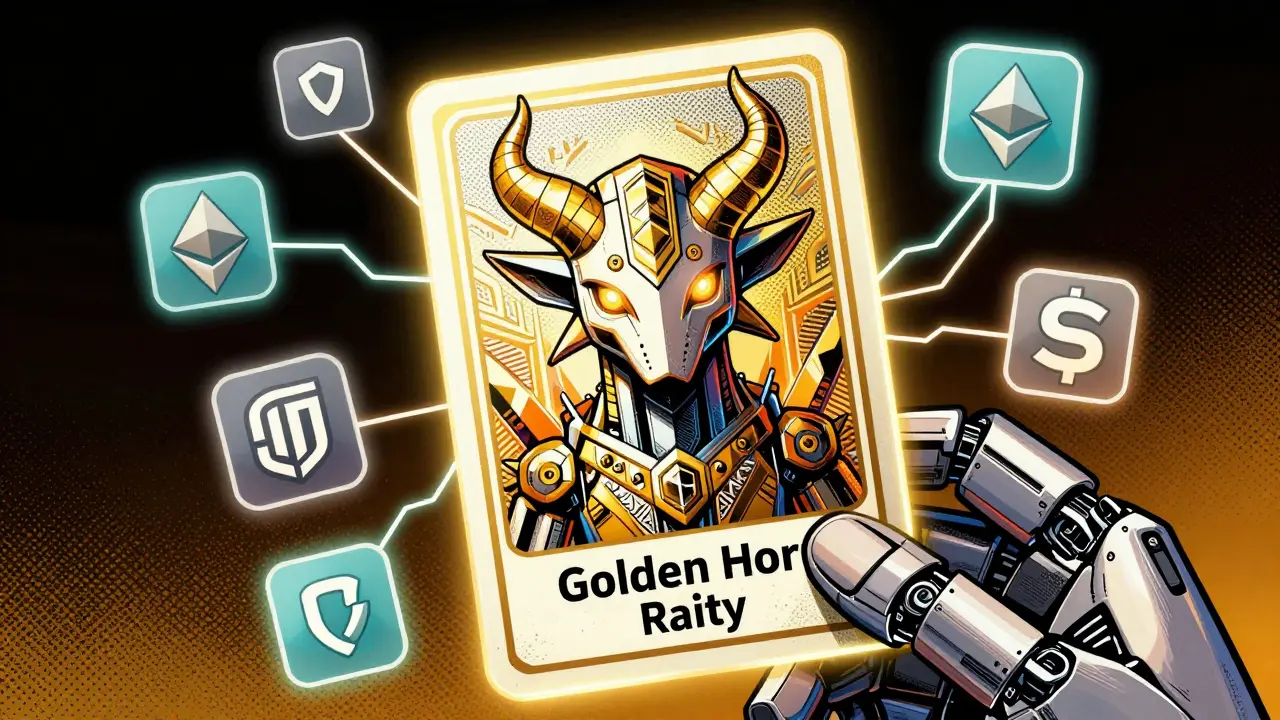
The Marnotaur NFT Collection is described as "generative," meaning each piece is algorithmically created with unique traits. Unlike static JPEGs, these NFTs serve functional purposes within the Marnotaur ecosystem. They represent tiered access levels to the profit-sharing pool.
Key attributes of the collection include:
- Rarity Tiers: Some NFTs may offer higher percentage shares of profits based on rarity traits.
- Multi-Chain Compatibility: The project plans support for Ethereum, Binance Smart Chain, Polygon, Avalanche, HECO, Solana, and eventually Moonbeam, Cardano, and Near Protocol. This flexibility allows users to choose lower-fee networks while maintaining interoperability.
- Utility Over Speculation: While secondary market value exists, the primary value proposition is ongoing yield generation rather than speculative flipping.
For example, owning a rare "Golden Horn" trait NFT might entitle you to 0.05% of daily protocol fees, whereas a common trait might yield 0.01%. Exact percentages depend on total active holdings and platform volume-details typically revealed closer to launch.
Eligibility Criteria and Distribution Schedule
If you’re wondering when and how rewards are distributed, here’s what we know so far:
| Requirement | Details | Purpose |
|---|---|---|
| NFT Ownership | Must hold one valid Marnotaur NFT | Verifies identity and commitment |
| Token Holding | Minimum $500 USD equivalent in TAUR | Ensures skin-in-the-game for participants |
| Distribution Frequency | TBD (likely weekly or bi-weekly) | Aligns with typical DeFi payout cycles |
| Claim Process | Automated smart contract distribution | Reduces manual intervention and errors |
Note that exact distribution mechanics-such as whether rewards are paid in TAUR, USDT, or another stablecoin-are still being finalized. Historically, similar protocols distribute rewards in their native token to encourage reinvestment. However, given TAUR’s volatility, some platforms opt for stablecoins to protect holder value. Keep an eye on official announcements for clarification.

Risks and Considerations Before Participating
No investment is risk-free, especially in DeFi. Here are crucial factors to weigh before committing funds:
- Smart Contract Risk: Despite rigorous testing through Alpha, Beta, and Gamma phases, bugs can exist. Always verify audits from reputable firms like CertiK or OpenZeppelin.
- Market Volatility: TAUR’s price fluctuates wildly. A 50% drop could erase your $500 threshold, disqualifying you from rewards until you rebalance.
- Liquidity Constraints: With limited trading volume (~$17k/day on major exchanges), exiting large positions quickly may impact slippage costs.
- Regulatory Uncertainty: Undercollateralized lending faces scrutiny globally. Ensure compliance with local laws regarding crypto derivatives.
Additionally, consider opportunity cost. Could those same funds generate better returns elsewhere? Compare APYs against established protocols like Aave or Compound. Marnotaur’s niche focus on undercollateralized trading carries higher risk-and potentially higher reward-but demands careful evaluation.
Next Steps for Interested Participants
If you decide to proceed, follow these actionable steps:
- Acquire TAUR Tokens: Buy TAUR on supported exchanges like Gate.io or Binance. Transfer them securely to a non-custodial wallet (e.g., MetaMask).
- Purchase an NFT: Wait for the official minting event scheduled around October 4th, 2025. Use verified links only to avoid scams.
- Verify Holdings: Confirm both assets appear correctly in your wallet. Check balances against current fiat values to ensure you exceed the $500 minimum.
- Monitor Announcements: Join official Discord channels and Twitter accounts for real-time updates on distribution schedules and technical changes.
- Reassess Regularly: Track TAUR price movements and adjust holdings if necessary to maintain eligibility.
Remember, patience pays off. Early adopters often benefit most from growing ecosystems, provided they navigate risks wisely.
Is the Marnotaur airdrop really free?
No, it is not a traditional free airdrop. You must purchase both a Marnotaur NFT and hold at least $500 worth of TAUR tokens to qualify for profit-sharing rewards. Think of it as a paid subscription model rather than a giveaway.
When does the Marnotaur NFT collection launch?
The public launch is scheduled for October 4th, 2025. Prior to this date, the team conducted extensive testing phases including Public Alpha, Beta, and Gamma to refine functionality and security.
What happens if my TAUR holdings fall below $500?
You will temporarily lose eligibility for profit distributions until your holdings rise back above the $500 threshold. Monitor prices closely and consider setting limit orders to manage exposure.
Which blockchains support the Marnotaur NFT?
Initially, the NFT supports Ethereum, Binance Smart Chain, Polygon, Avalanche, HECO, and Solana. Future expansions plan to include Moonbeam, Cardano, and Near Protocol for broader accessibility.
How safe is the Marnotaur protocol?
While the protocol underwent multiple testing stages and integrates Chainlink price feeds for accuracy, no system is immune to vulnerabilities. Always review independent audit reports and never invest more than you can afford to lose.