
You’ve heard the hype. Dubai is the new crypto capital. But if you’re a business owner eyeing that shiny skyline for your next headquarters, you know the real game isn’t about Instagram photos-it’s about getting licensed without going bankrupt or losing your mind in bureaucracy. Enter the Dubai Virtual Assets Regulatory Authority (VARA), which has quietly become the gatekeeper for almost every legitimate crypto operation outside the DIFC free zone.
Here’s the thing: VARA isn’t just another regulator ticking boxes. Since its inception, it has built one of the most detailed frameworks globally, covering everything from simple wallet services to complex DeFi protocols. If you want to operate legally in Dubai mainland or most free zones (excluding DIFC), you need this license. And as of September 2026, the rules have tightened. We’re talking stricter AML checks, higher capital requirements, and a clear ban on privacy coins like Monero. This guide cuts through the legal jargon to tell you exactly what VARA wants, how much it costs, and whether it’s worth your time.
What Exactly Is VARA and Who Needs It?
Think of VARA as the specialized police force for digital money in Dubai. Unlike traditional financial regulators that treat crypto as an afterthought, VARA was built specifically for virtual assets. It oversees Virtual Asset Service Providers (VASPs), which is a fancy term for anyone touching crypto professionally.
If your company does any of the following in Dubai, you are likely in VARA’s crosshairs:
- Exchanges: Buying and selling crypto for others.
- Broker-Dealers: Facilitating trades between buyers and sellers.
- Custodians: Holding customers’ private keys.
- Wallet Providers: Offering software or hardware to store assets.
- Token Issuers: Launching new tokens or NFTs.
A common misconception is that being in a free zone means you’re exempt. Wrong. Unless you are inside the Dubai International Financial Centre (DIFC)-which has its own regulator, the DFSA-you fall under VARA. This distinction matters because VARA’s jurisdiction is broader than most people realize. They cover the mainland and nearly all other free zones, making them the primary gateway for international crypto firms entering the Emirates.
The Cost of Entry: Capital and Fees Breakdown
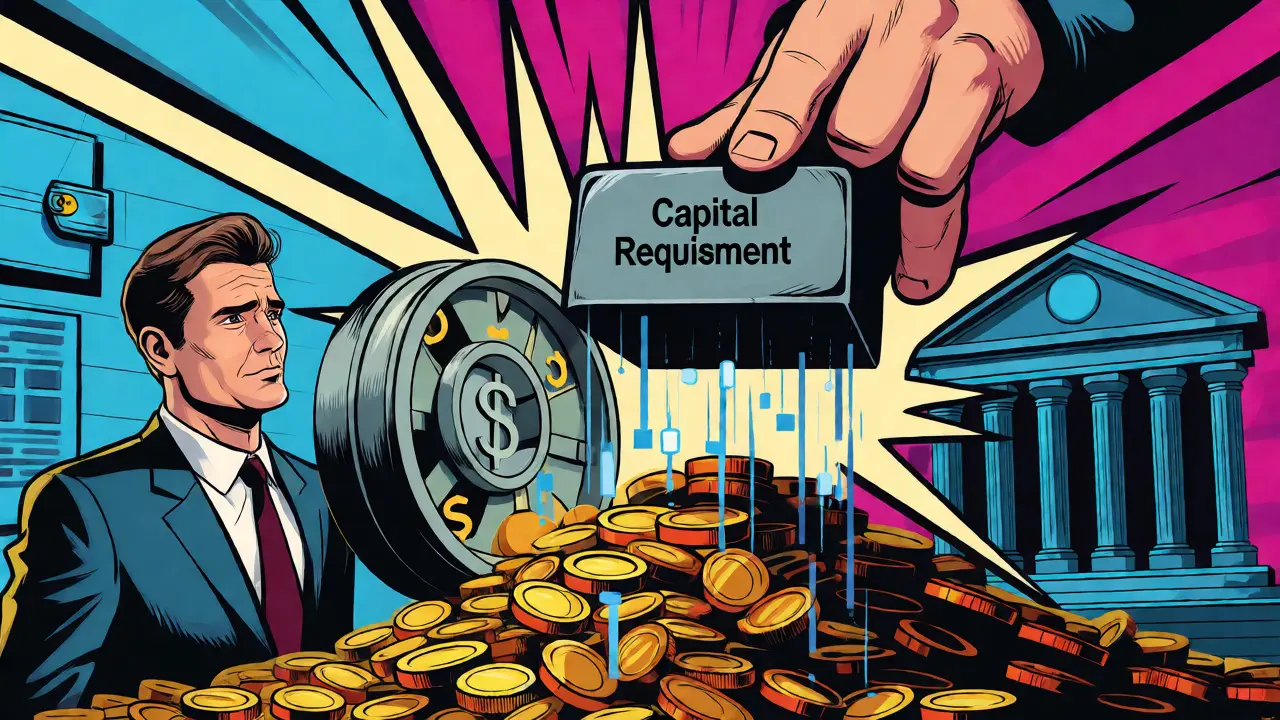
Let’s talk numbers, because this is where many startups get stuck. VARA doesn’t charge a flat fee. Your bill depends entirely on what licenses you need. The more complex your operations, the deeper you dig into your pockets.
| License Type | Paid-Up Capital | Application Fee | Annual Supervision Fee |
|---|---|---|---|
| Exchange Services | 5,000,000 | 100,000 | 200,000 |
| Broker-Dealer | 1,000,000 | 80,000 | 150,000 |
| Custody Services | 4,000,000 | 90,000 | 180,000 |
| Transfer Services | 1,000,000 | 70,000 | 120,000 |
| Wallet Provision | 100,000 | 40,000 | 80,000 |
Notice the pattern? If you want to be a full-stack crypto bank-offering exchange, custody, and brokerage-you aren’t just adding up fees. You need to inject significant capital. For example, combining Exchange, Custody, and Broker-Dealer licenses could require over AED 10 million ($2.7 million) in paid-up capital alone. That’s not a startup budget; that’s institutional money. However, if you’re just launching a niche wallet app, the barrier is much lower, starting around AED 100,000 in capital.
Key Restrictions and Recent Changes in 2025-2026
VARA hasn’t been sitting still. In late 2023 and throughout 2025, they rolled out Administrative Orders that changed the playing field significantly. If you’re planning to launch now, you need to know these hard limits.
First, privacy tokens are banned. You cannot list, trade, or hold Monero (XMR), Zcash (ZEC), or Dash for retail clients. VARA argues these coins obscure transaction trails, making Anti-Money Laundering (AML) compliance nearly impossible. If your business model relies on privacy tech, Dubai might not be your home.
Second, marketing is strictly controlled. You can’t just run a flashy ad campaign claiming “Get Rich with Bitcoin.” Every piece of marketing material must be pre-approved by VARA. They look for misleading claims, lack of risk disclosures, and aggressive sales tactics. This protects retail investors but slows down go-to-market strategies for agile startups.
Third, token categorization is rigid. VARA splits tokens into three tiers:
- Category 1: Stablecoins and asset-backed tokens. These need full licensing.
- Category 2: Utility tokens. These don’t need a full issuer license if distributed by a licensed entity, but oversight remains.
- Exempt: Loyalty points or in-game credits. Lighter touch, but still monitored.
The Application Process: What Does VARA Actually Check?
Getting approved isn’t about filling out a form. It’s about proving you’re safe, solvent, and serious. VARA uses a “fit and proper” test that digs deep into your corporate DNA.
You’ll need to submit a comprehensive Business Plan that includes financial projections for at least three years. But here’s the catch: they don’t just want optimistic revenue charts. They want to see stress tests. What happens if Bitcoin drops 50% overnight? Do you have enough liquidity to meet withdrawals?
Technology infrastructure is another major hurdle. You must demonstrate robust cybersecurity measures. This includes regular external audits, data encryption standards, and disaster recovery plans. VARA requires proof that your systems can handle high volumes without crashing. If you’re using third-party providers for cloud storage or security, you need contracts showing they meet UAE data protection laws.
Finally, your team matters. VARA scrutinizes the background of directors and senior management. Have they worked in regulated finance before? Do they have criminal records? Are they resident in the UAE? While you can hire remote staff, key decision-makers often need to be physically present or easily accessible for interviews.

VARA vs. DFSA vs. FSRA: Which Regulator Fits You?
Choosing the right jurisdiction within the UAE is critical. You might think, “I’m in Dubai, so I choose VARA.” But if you set up in the DIFC, you’re under the Dubai Financial Services Authority (DFSA). If you’re in Abu Dhabi’s Global Market, you’re with the Financial Services Regulatory Authority (FSRA).
Here’s how they stack up for crypto businesses:
| Feature | VARA (Dubai Mainland/Free Zones) | DFSA (DIFC) | FSRA (ADGM) |
|---|---|---|---|
| Jurisdiction Scope | Broadest coverage in Dubai | Limited to DIFC Free Zone | Limited to ADGM Free Zone |
| Regulatory Focus | Retail protection & consumer access | Institutional & professional clients | Fintech innovation & sandbox |
| Privacy Coins | Banned | Restricted | Case-by-case approval |
| Best For | Consumer exchanges & wallets | Hedge funds & asset managers | Early-stage fintech startups |
Most consumer-facing crypto companies choose VARA because it allows direct interaction with the general public in Dubai. DFSA is better suited for B2B institutional players who serve accredited investors. FSRA is great for innovators testing new models in a sandbox environment before scaling.
Practical Tips for a Smooth Approval
Based on recent approvals for giants like Binance and OKX, here is what works:
- Hire local compliance experts early. Don’t try to navigate VARA’s portal alone. Local lawyers understand the unwritten expectations of the reviewers.
- Over-document your AML procedures. Show them exactly how you screen users. Generic policies won’t cut it. Specific workflows do.
- Be transparent about risks. VARA appreciates honesty about potential pitfalls in your business model more than blind optimism.
- Prepare for delays. Even with digital-first processes, expect the review to take 3-6 months. Rushing leads to rejections.
Remember, VARA is building a reputation. They rejected several high-profile applicants last year due to weak capital buffers. Don’t let cash flow issues derail your application. Ensure your bank accounts in the UAE are active and funded before you hit submit.
Can foreign investors own 100% of a VARA-licensed company?
Yes. In most Dubai free zones, foreign ownership is permitted at 100%. VARA does not restrict shareholding based on nationality, provided the shareholders pass their fit-and-proper checks and the company maintains a physical presence in the UAE.
Is Bitcoin trading tax-free in Dubai under VARA?
Currently, there is no personal income tax or capital gains tax on cryptocurrency trading for individuals in the UAE. Corporate entities may face a 9% corporate tax on profits exceeding AED 375,000, but specific exemptions apply depending on the structure and activity type. VARA focuses on regulation, while the Federal Tax Authority handles taxation.
Does VARA regulate DeFi protocols?
Yes, but with nuance. If a DeFi protocol offers centralized services (like lending platforms or exchanges with custodial elements), it falls under VARA’s scope. Fully decentralized, non-custodial protocols may have lighter obligations, but any entity facilitating transactions for UAE residents must adhere to AML/KYC guidelines.
How long does the VARA license application take?
Typically, the process takes between 3 to 6 months. This timeline depends heavily on the completeness of your initial submission. Applications with missing documents or unclear business models often face multiple rounds of queries, extending the duration significantly.
Can I operate without a VARA license if I only serve overseas clients?
Generally, no. If your company is incorporated in Dubai and conducts business activities related to virtual assets, VARA expects you to be licensed, regardless of where your clients reside. Operating unlicensed exposes you to fines and operational shutdowns.