Have you seen the ads for AvocadoCoin (AVDO)? It promises to revolutionize sustainable farming with blockchain technology. The marketing looks slick. The claims sound impressive. But if you are thinking about putting your money into this coin, stop right now. There is a very high probability that you are looking at a sophisticated scam.
This isn't just a skeptical opinion based on gut feeling. When we look at the facts-the timeline, the technical claims, and the market data-things don't add up. In fact, they break completely. This guide breaks down exactly what AvocadoCoin is, why experts are raising alarms, and how you can protect your capital from projects like this.
The Pitch: Sustainable Farming Meets Blockchain
To understand why people might be tempted, you have to look at the story they are selling. AvocadoCoin (AVDO) is described by its creators as a cryptocurrency designed to promote sustainable agriculture through something called the GreenGold Project. According to their press releases, it is "backed by real-world assets," specifically productive avocado land in Mexico.
The project was launched on June 19, 2024, by a company called GreenCrypto Corporation OU, which is headquartered in Tallinn, Estonia. They claim to be merging blockchain technology with the Internet of Things (IoT) to foster sustainable avocado farming. On paper, this sounds like a noble cause. Who doesn't want to support eco-friendly farming? And who doesn't want a piece of the next big agricultural tech boom?
However, the devil is always in the details. Let's look closer at the specific claims made by the team.
- Launch Date: June 19, 2024.
- Blockchain: Claims to use "Smart Blockchain 4.0" but trades on Solana.
- Total Supply: Fixed at 21,000,000 AVDO tokens.
- Backing: Allegedly backed by avocado farms in Mexico.
- Team Experience: Claims over 20 years of experience in blockchain and IoT.
The First Major Red Flag: Impossible History
Here is where the story falls apart immediately. The GreenCrypto Corporation claims that their team has been working at the forefront of merging blockchain technology with IoT for over two decades.
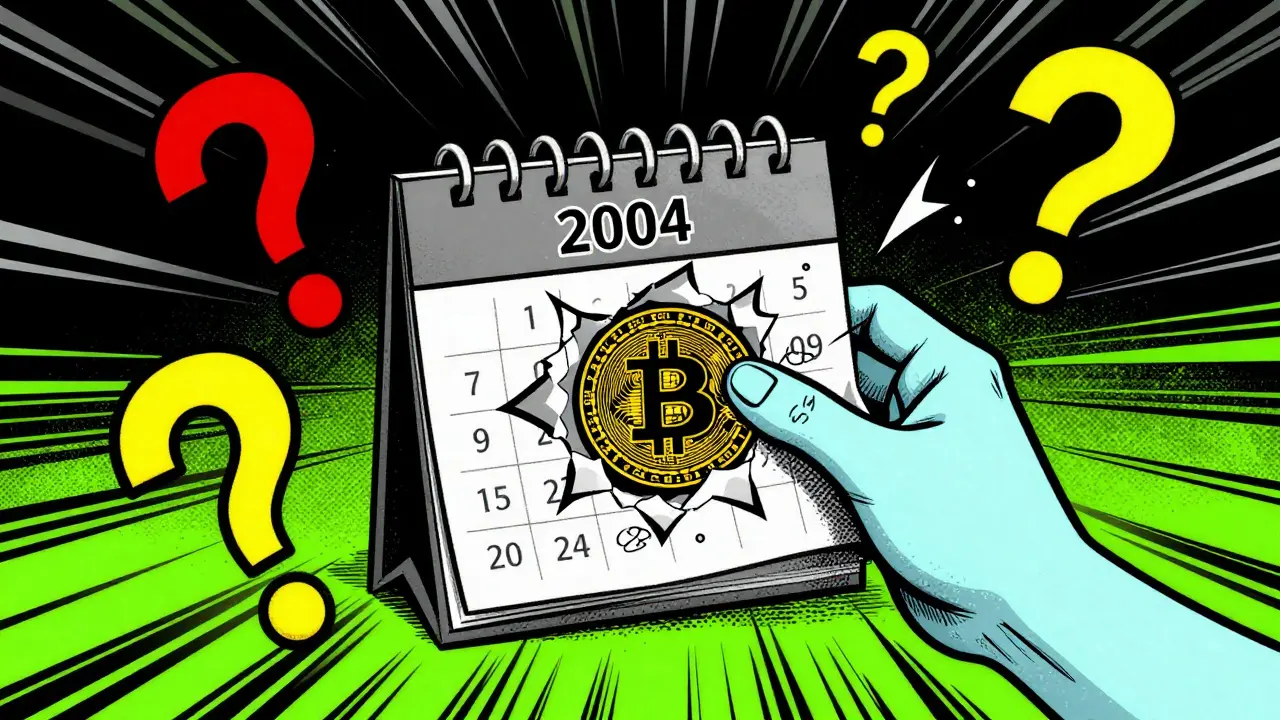
Let’s do some basic math. Two decades ago is roughly 2004. Did blockchain exist in 2004? No. Blockchain technology was introduced to the world with the Bitcoin whitepaper by Satoshi Nakamoto in 2008. The first block (the genesis block) was mined in January 2009. It is technically impossible to have 20 years of experience in a technology that didn't exist until less than 15 years ago.
Dr. Elena Rodriguez, Blockchain Research Director at MIT Digital Currency Initiative, pointed this out clearly in a July 2024 interview. She stated that projects claiming decades of blockchain experience before the technology existed raise immediate red flags about credibility. Professor Michael Chen from Stanford’s Blockchain Research Center added that this mathematical impossibility suggests either extreme incompetence or deliberate deception.
If a company lies about its history in its very first press release, what else are they lying about?
Technical Confusion: Smart Blockchain 4.0 vs. Solana
Another confusing aspect is the technology behind the coin. The official AvocadoCoin website states that the token is based on "Smart Blockchain 4.0." If you search for "Smart Blockchain 4.0" in any reputable technical database, you will find nothing. It is not a recognized blockchain standard. It sounds like a made-up term designed to sound futuristic and complex.
In reality, AvocadoCoin functions as a token on the Solana blockchain. This is confirmed by data aggregators like CoinLore and trading platforms like Binance Web3 Wallet. So, why claim a non-existent proprietary blockchain? Usually, when a project hides behind vague technical jargon, it is because there is no actual innovative technology under the hood. They are using an existing public ledger (Solana) but trying to make it sound like a unique invention to justify hype.
| Claim | Reality / Verification | Risk Level |
|---|---|---|
| 20+ Years Blockchain Experience | Blockchain started in 2009. Claim is impossible. | Critical |
| Backed by Mexican Avocado Land | No verifiable proof; foreign ownership of farmland is restricted in Mexico. | High |
| Uses "Smart Blockchain 4.0" | Non-existent term. Actually runs on Solana. | High |
| $21.9 Billion Market Cap | Data discrepancy. Actual volume is low. Likely manipulation. | Medium |
| Active Development Team | Zero GitHub repositories. No whitepaper available. | Critical |
The Market Data Mess
If the history and tech claims were enough to scare you off, the financial data should seal the deal. The numbers surrounding AvocadoCoin are chaotic and contradictory.
Different tracking sites show wildly different prices and market caps. One site might list the price around $1,600, while another shows $1,450. More importantly, the market capitalization figures are nonsensical. Some sources report a market cap of nearly $21.9 billion. If this were true, AvocadoCoin would be one of the top 10 cryptocurrencies in the world, rivaling giants like Ethereum or BNB. Yet, other sources rank it #4,939 or lower, with zero market cap listed on major exchanges like Coinbase.
This discrepancy usually indicates one of two things: 1. The data feeds are being manipulated. 2. The liquidity is extremely low, meaning a few large trades can skew the price artificially.
Trading volume has also collapsed. At launch, LiveCoinWatch reported a volume of $495,000. By early July 2024, CoinGecko showed volume dropping to $104,000. That is a 79% drop in less than a month. When interest dies that fast, it is rarely a sign of a healthy project finding its footing. It is a sign that buyers are realizing there is no product.
The "Real-World Asset" Lie
The core promise of AvocadoCoin is that it is backed by real-world assets (RWA)-specifically, avocado farms. In the crypto world, RWA tokens are a growing trend. Projects like Paxos Gold (PAXG) back their tokens with physical gold, audited monthly by third parties. You can verify the gold exists.
Can you verify the avocado farms? No. There is no audit trail. There are no photos of the land. There are no legal documents linking GreenCrypto Corporation to any property in Michoacán, Mexico (the heart of avocado production).
Furthermore, there is a legal hurdle. Article 27 of the Mexican Constitution strictly regulates foreign ownership of agricultural land. Foreign entities cannot directly own farming land in many zones without complex trusts (fideicomisos). A Estonian company claiming direct backing by Mexican land without explaining the legal structure is ignoring basic international law.
A user on Telegram, verified as an actual avocado farmer in Michoacán, stated: "I've never heard of this project contacting local growers. Their Mexico claims are fabricated." When the people on the ground say it's fake, believe them.
Community Sentiment: The Verdict
You don't need to take my word for it. Look at what the community is saying. Trustpilot reviews for AvocadoCoin average a dismal 1.2 out of 5 stars. Common complaints include "impossible claims" and "withdrawal issues."
On Reddit’s r/CryptoCurrency, users have flagged it as a scam due to the historical impossibilities. CoinGecko’s community section shows 92% negative sentiment. The most upvoted comment calls it a "pump-and-dump scheme using agricultural buzzwords."
Why are withdrawals difficult? Because there is likely no underlying value to cash out. Users report waiting over 14 days for resolution, with support taking 72 hours to respond-if they respond at all. This is a classic tactic to delay investors while the founders prepare to exit.

Regulatory Risks
The U.S. Securities and Exchange Commission (SEC) issued warnings in June 2024 about asset-backed tokens making unsubstantiated claims. While they didn't name AvocadoCoin directly, the description fits perfectly. Investing in such tokens carries significant regulatory risk. If the SEC or other bodies classify AVDO as an unregistered security, it could be delisted from exchanges, leaving holders with worthless tokens.
Additionally, Chainalysis categorized AVDO among "high-risk tokens exhibiting classic scam indicators." They noted that the combination of impossible experience claims, contradictory market data, and lack of documentation places it in the 97th percentile of risk among new tokens.
How to Spot Similar Scams in the Future
AvocadoCoin is not an isolated incident. It follows a pattern seen in many fraudulent crypto projects. Here is a checklist to help you avoid similar traps:
- Check the Timeline: Does the team claim experience before the technology existed? (e.g., "10 years of AI experience" before 2012).
- Verify the Tech: Is the blockchain name generic or made-up? Can you find code on GitHub?
- Look for Audits: If it claims to be backed by real assets (gold, land, oil), where are the third-party audits?
- Check Community Sentiment: Are real users complaining about withdrawals? Or is the social media full of bots praising the project?
- Compare Market Data: Do different exchanges show vastly different prices or caps? High variance often means low liquidity and manipulation.
Legitimate projects like TE-FOOD or IBM Food Trust have transparent implementation data, published whitepapers, and verifiable partnerships. AvocadoCoin has none of these.
Conclusion: Stay Away
So, what is AvocadoCoin (AVDO)? It is a high-risk cryptocurrency token with no verifiable utility, impossible historical claims, and contradictory financial data. It appears to be a pump-and-dump scheme disguised as a sustainable agriculture initiative.
There is no evidence of sustainable business model, no real-world implementation, and no reputable analyst coverage. Messari, Delphi Digital, and Galaxy Digital have all excluded it from their reports-a silent vote of no confidence from the industry's top researchers.
Do not buy AVDO. Do not hold AVDO. If you already own it, consider exiting while there is still any liquidity left. Protect your capital by sticking to established projects with transparent teams, verifiable technology, and realistic goals.
Is AvocadoCoin (AVDO) a legitimate investment?
No. Multiple indicators suggest AvocadoCoin is a scam or highly fraudulent project. These include impossible claims about pre-2009 blockchain experience, lack of verifiable real-world asset backing, and negative community feedback regarding withdrawal issues.
Which blockchain does AvocadoCoin run on?
Despite marketing claims of a proprietary "Smart Blockchain 4.0," AvocadoCoin actually operates as a token on the Solana blockchain. "Smart Blockchain 4.0" is not a recognized technical standard.
Who created AvocadoCoin?
The project was launched by GreenCrypto Corporation OU, based in Tallinn, Estonia. However, the identity of the individual team members remains opaque, and their claimed experience levels are historically inaccurate.
Is AvocadoCoin backed by real avocado farms?
There is no verifiable proof of this claim. Local farmers in Mexico have denied knowledge of the project, and there are no public audits or legal documents confirming land ownership. Additionally, foreign ownership of agricultural land in Mexico is legally restricted.
Why is the market cap of AVDO so inconsistent?
Market data for AVDO varies wildly between platforms, ranging from $0 to $21.9 billion. This inconsistency typically indicates low liquidity, potential data manipulation, or errors in tracking algorithms. Legitimate cryptocurrencies have consistent data across major exchanges.
Can I withdraw my funds from AvocadoCoin?
Users have reported significant difficulties withdrawing funds, with delays exceeding 14 days. This is a common characteristic of exit scams or rug pulls, where developers restrict access to funds before disappearing.