
Running a cryptocurrency exchange in Japan without the proper paperwork isn't just risky; it's a criminal offense. Under the Payment Services Act (PSA), operating as an unregistered service provider can land you with up to three years in prison or fines reaching JPY 3 million. Since June 1, 2025, that imprisonment has been replaced by "confinement punishment" under updated penal codes, but the threat remains severe. For anyone looking to enter the Japanese market, understanding these rules is not optional-it is the foundation of your business.
Japan offers one of the clearest legal frameworks for digital assets in the world. Cryptocurrencies are recognized as legal property, and the regulatory path is defined. However, clarity comes at a cost. The Financial Services Agency (FSA) demands rigorous compliance, substantial capital, and ironclad security measures. This guide breaks down exactly what you need to know to navigate the PSA registration process successfully.
Who Needs PSA Registration?
The requirement applies to any person or entity engaging in the purchase and sale of crypto-assets as a business. In regulatory terms, you become a Crypto-Asset Exchange Service Provider (CAESP). If you facilitate trades between users, match buy and sell orders, or act as an intermediary for digital currency transactions, you fall under this definition.
It is crucial to understand what counts as a "crypto-asset" under the Amended PSA. The law defines them as payment mechanisms not denominated in fiat money that can be used to pay unidentified people. This excludes prepaid e-money cards or bank-issued coins guaranteed against fiat value. Those are considered currency-denominated assets and fall under different regulations. But Bitcoin, Ethereum, and other major tokens? They are definitely crypto-assets, and trading them requires registration.
Structural Requirements: Subsidiaries vs. Branches
If you are a foreign company, you cannot simply register from overseas. You must have a physical presence in Japan. The law allows for two structures: establishing a subsidiary in the form of a stock company (kabushiki-kaisha) or setting up a branch office.
Here is the catch: to date, the FSA has never approved a registration for a branch office. Every successful foreign applicant has established a subsidiary. This means you need to incorporate a local Japanese corporation. This adds complexity to your setup, requiring local directors, a registered office address, and adherence to Japanese corporate governance laws. It also signals a serious long-term commitment to the market, which regulators favor.
Financial Thresholds and Capital
You cannot start a crypto exchange in Japan on a shoestring budget. The financial barriers are designed to filter out undercapitalized operators who might pose a risk to consumers.
- Minimum Capital: You must have a minimum paid-in capital of JPY 10 million. This is the baseline entry ticket.
- Positive Net Assets: Beyond initial capital, you must maintain positive net assets throughout your operation. This ensures you have a buffer against losses and can meet liabilities.
- Ongoing Financial Health: The FSA monitors your financial stability continuously. Significant drops in net assets can trigger investigations or even revocation of your license.
These requirements mean that small startups often struggle to enter the market directly. Many choose to partner with established financial institutions or seek significant venture capital before applying. The goal is to ensure that only financially robust entities handle user funds.

Security and Consumer Protection Standards
Japan’s regulatory framework was heavily influenced by past industry failures, such as the Mt. Gox collapse. As a result, consumer protection is paramount. The FSA mandates strict operational standards that dictate how you manage user assets.
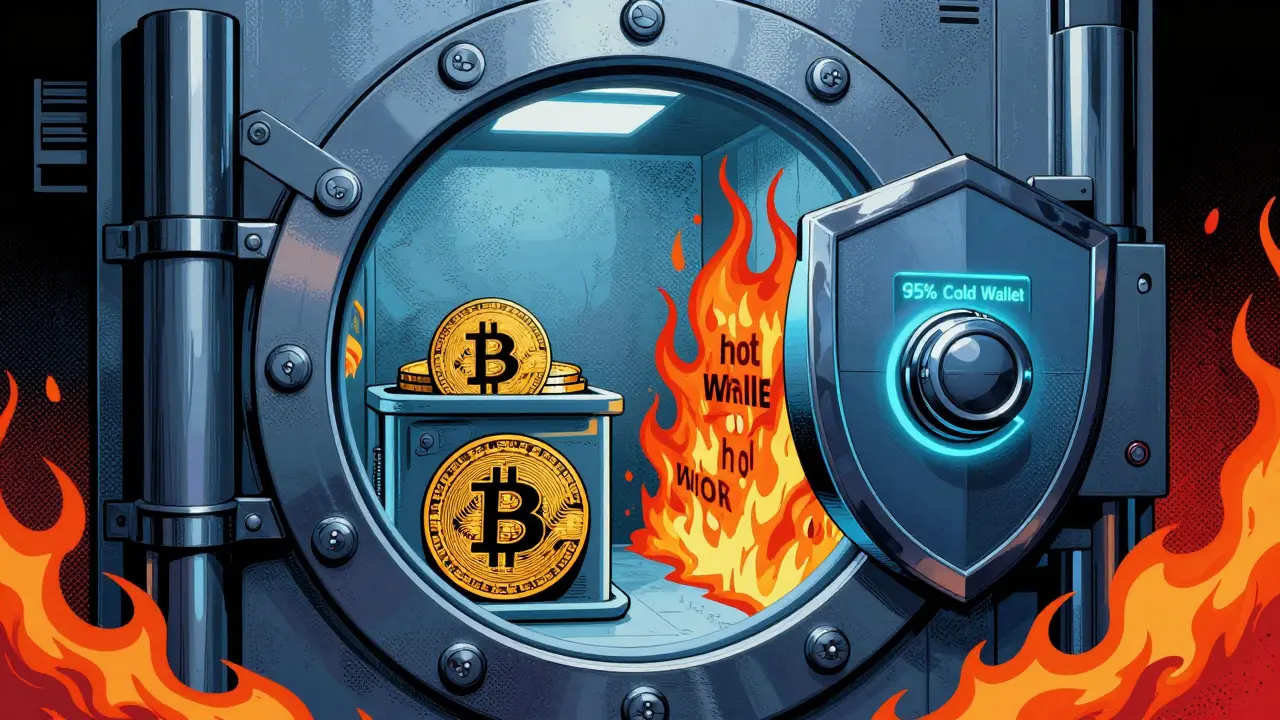
The most critical rule is asset segregation. You must completely separate customer funds from your own company assets. User coins cannot be mixed with operational reserves. Furthermore, at least 95% of user-held crypto assets must be stored in offline cold wallets. This drastically reduces the risk of hacking and theft. Only a small percentage may be kept in hot wallets for immediate withdrawal processing, and even then, stringent access controls are required.
Marketing is also tightly controlled. You cannot promise quick profits or use vague, glossy language that might mislead inexperienced investors. All advertising must be transparent, factual, and clearly disclose risks. The FSA scrutinizes marketing materials closely, and violations can lead to swift penalties.
The Application Process: What to Expect
Applying for CAESP registration is a meticulous process. Do not expect a quick turnaround. The review period alone can take up to six months. Before you even submit, you will likely spend several months preparing documentation and building internal systems.
Your application must include detailed information on:
- Corporate Structure: Trade name, address, capital amount, and names of all directors and executives.
- Service Details: Specific crypto assets you plan to handle, methods of service provision, and fee structures.
- Compliance Systems: Internal controls for anti-money laundering (AML), know-your-customer (KYC) procedures, and transaction monitoring.
- Outsourcing Arrangements: If you outsource IT, customer support, or other functions, you must detail these agreements and ensure vendors meet FSA standards.
- Asset Segregation Methods: Technical and procedural details on how you keep user assets ring-fenced.
The FSA reviews every aspect of your operation. They want to see that you have a robust organizational structure capable of preventing fraud, managing risks, and protecting users. Weaknesses in any area can lead to rejection or requests for additional information, delaying your launch.
Dual Regulation: PSA vs. FIEA
Not all digital tokens fall under the PSA. Japan operates a dual-statute system. While the PSA covers standard cryptocurrencies like Bitcoin and Ethereum, tokens with investment-like features-such as security tokens or utility tokens that promise future returns-are regulated under the Financial Instruments and Exchange Act (FIEA).
This distinction is critical. If your platform lists tokens that resemble securities, you may need licensing under the FIEA, which involves higher barriers and heavier oversight. Determining whether a token falls under PSA or FIEA requires careful legal analysis. Misclassification can result in severe regulatory breaches. Most exchanges focus on spot trading of well-known tokens under the PSA to avoid the complexities of securities regulation.
Ongoing Compliance and Oversight
Getting registered is just the beginning. The FSA maintains ongoing supervision of all CAESPs. You must submit regular reports, undergo audits, and adhere to evolving guidelines. Self-regulatory organizations like the Japan Virtual Currency Exchange Association (JVCEA) play a key role in enforcing best practices and providing industry guidance.
In 2025, amendments to the PSA were submitted to the Diet, strengthening the FSA’s ability to order specific regulatory actions against non-compliant firms. This shows that Japan is committed to maintaining a dynamic and responsive regulatory environment. Staying compliant requires dedicated legal and compliance teams who monitor changes in real-time.
| Requirement Category | Specific Criteria | Impact on Operations | |
|---|---|---|---|
| Legal Structure | Must be a Kabushiki-Kaisha (Subsidiary) | High setup cost; no branch approvals granted | |
| Capital | Min. JPY 10 Million + Positive Net Assets | Filters out undercapitalized entrants | |
| Security | 95% Cold Storage Mandate | Enhanced user safety; complex tech infrastructure | |
| Timeline | Up to 6 Months Review | Requires early planning and resource allocation | |
| Penalties | Confinement Punishment / Fines up to JPY 3M | Strict deterrence against unlicensed activity |
Why Japan Matters for Global Crypto Businesses
Despite the high barriers, Japan remains a top destination for crypto businesses. The regulatory certainty provides a stable environment where companies can innovate without fear of sudden bans. Users trust registered exchanges, leading to higher adoption rates. Additionally, Japan’s advanced financial infrastructure and tech-savvy population create a lucrative market. For global players, obtaining PSA registration serves as a stamp of credibility that resonates worldwide.
Can a foreign company operate a crypto exchange in Japan without a local subsidiary?
No. While the law technically allows for branch offices, the FSA has never approved a registration for a branch. All successful foreign applicants have established a local subsidiary in the form of a kabushiki-kaisha. This requires incorporating a Japanese corporation with local directors and a physical office.
What happens if I operate without PSA registration?
Operating as an unregistered CAESP is a criminal offense under Article 107, Item 5 of the Amended PSA. Penalties include confinement punishment (replacing imprisonment since June 2025) and fines up to JPY 3 million. The FSA actively enforces these rules, and unlicensed operations are shut down quickly.
How long does the PSA registration process take?
The official review period by the FSA can take up to six months. However, preparatory work-including legal structuring, system development, and compliance documentation-often takes several additional months. Plan for a total timeline of 9-12 months from start to launch.
Is there a difference between PSA and FIEA regulation?
Yes. The PSA regulates standard cryptocurrencies like Bitcoin and Ethereum used for payments or speculation. The FIEA regulates tokens with investment characteristics, such as security tokens. If your platform deals with securities-like tokens, you may need FIEA licensing, which has stricter requirements.
What are the storage requirements for user assets?
You must segregate user assets from company funds entirely. At least 95% of user-held crypto assets must be stored in offline cold wallets to prevent hacking. Only a small fraction can be kept in hot wallets for immediate withdrawals, subject to strict security protocols.
Do I need to join a self-regulatory organization?
While not strictly mandatory for registration, joining the Japan Virtual Currency Exchange Association (JVCEA) is highly recommended. JVCEA members benefit from industry guidelines, peer support, and enhanced credibility with the FSA. Non-members face closer scrutiny.